If you are a homeowner in Frisco or Plano right now, your pool is likely functioning like an “unpaid roommate” who leaves the lights on and runs the AC with the windows open. Between the 36.1% spike in regular gas prices and diesel sitting at $5.11 due to the ongoing Iran war ripple effects, the cost of maintaining a “safe and blue” backyard has never been higher. This April 2026, we aren’t just fighting the usual “yellow dust” oak pollen onslaught; we are fighting a massive energy squeeze.
The “unvarnished truth” is that manual testing and “set-it-and-forget-it” timers are 1990s solutions for a 2026 world. Embracing pool monitoring / smart pool technology is no longer a luxury—it is the only way to keep your hydraulic health from bankrupting your monthly budget.

Pool Technology Has Changed Everything — Here’s What’s Available in 2026
In my 35 years in the North Texas pool industry, I’ve seen tech move from simple mechanical clocks to AI-driven systems that can predict an algae bloom before you even see a speck of green. Today’s pool monitoring / smart pool technology landscape is divided into three “tiers”: monitors that watch your chemistry, automation systems that control your hardware, and apps that do the math for you.
With our “liquid rock” hard water and the intense DFW sun, your chemistry can drift from “perfect” to “corrosive” in under 24 hours. Modern pool monitoring / smart pool technology gives you a “digital eye” on your water 24/7, so you aren’t dumping $50 worth of shock into a pool that actually just needed a half-gallon of acid.
Pool Monitoring Systems: The Chemistry Guardians
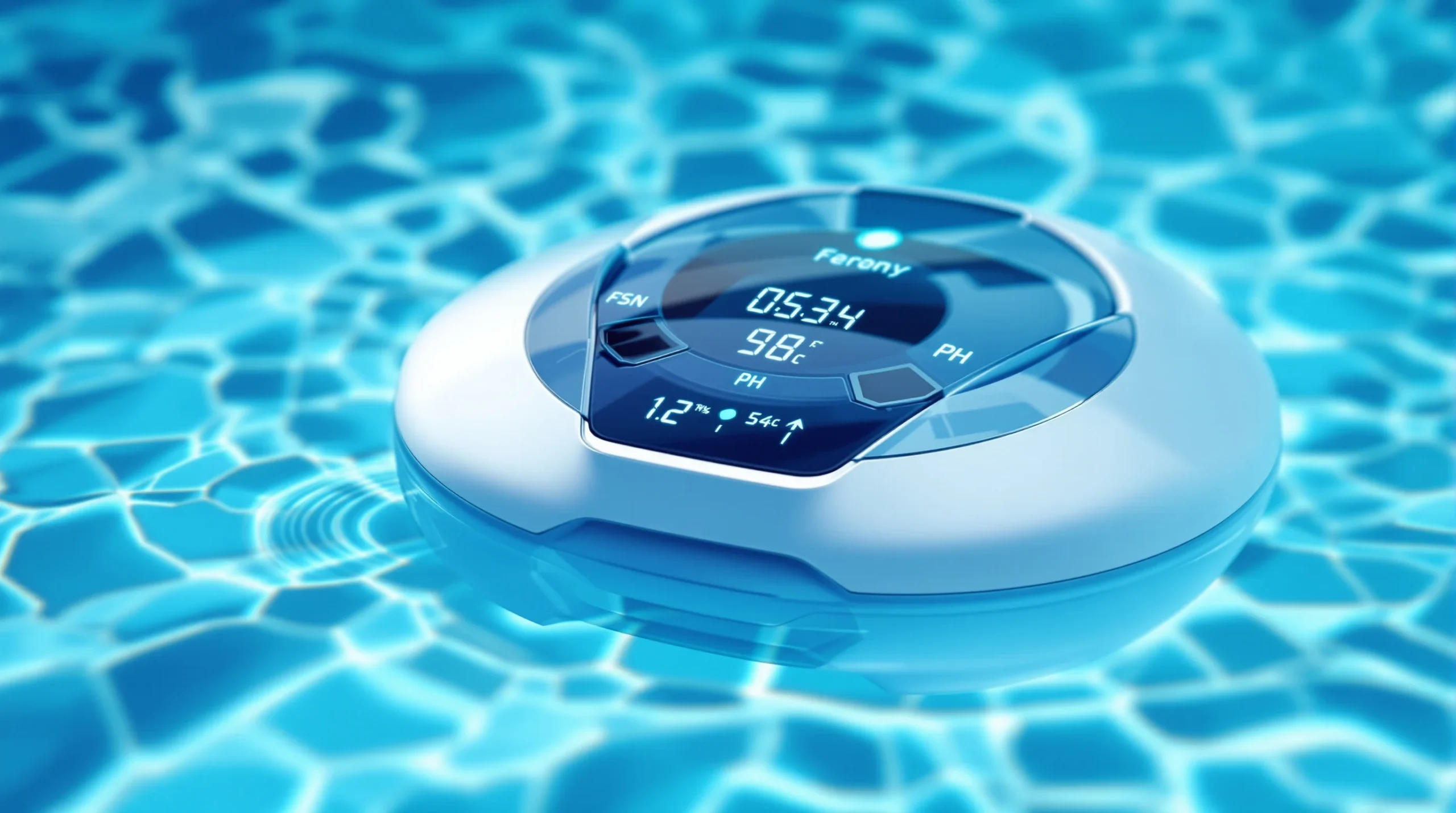
The most popular entry point for pool monitoring / smart pool technology is the standalone water analyzer.
- WaterGuru SENSE ($300-$400): This is a favorite in DFW because it sits inside your skimmer. It measures free chlorine, pH, and even water flow. It’s excellent for catching a clogged filter before it burns out your motor.
- Sutro ($200-$300): This is a floating unit that uses actual reagents (liquid drops) inside a cartridge. It provides the most accurate readings for alkalinity and bromine, though it does require a monthly subscription.
- ICO Pool Monitor: An AI-powered floater that tracks ORP (sanitizing power) and pH. It’s built for durability and handles the 100°F+ North Texas surface temps better than most budget models.
- A Note on pHin: If you find a cheap pHin monitor on eBay, skip it. The service was discontinued, and the hardware is effectively a brick in 2026.
Pool Automation and Remote Control
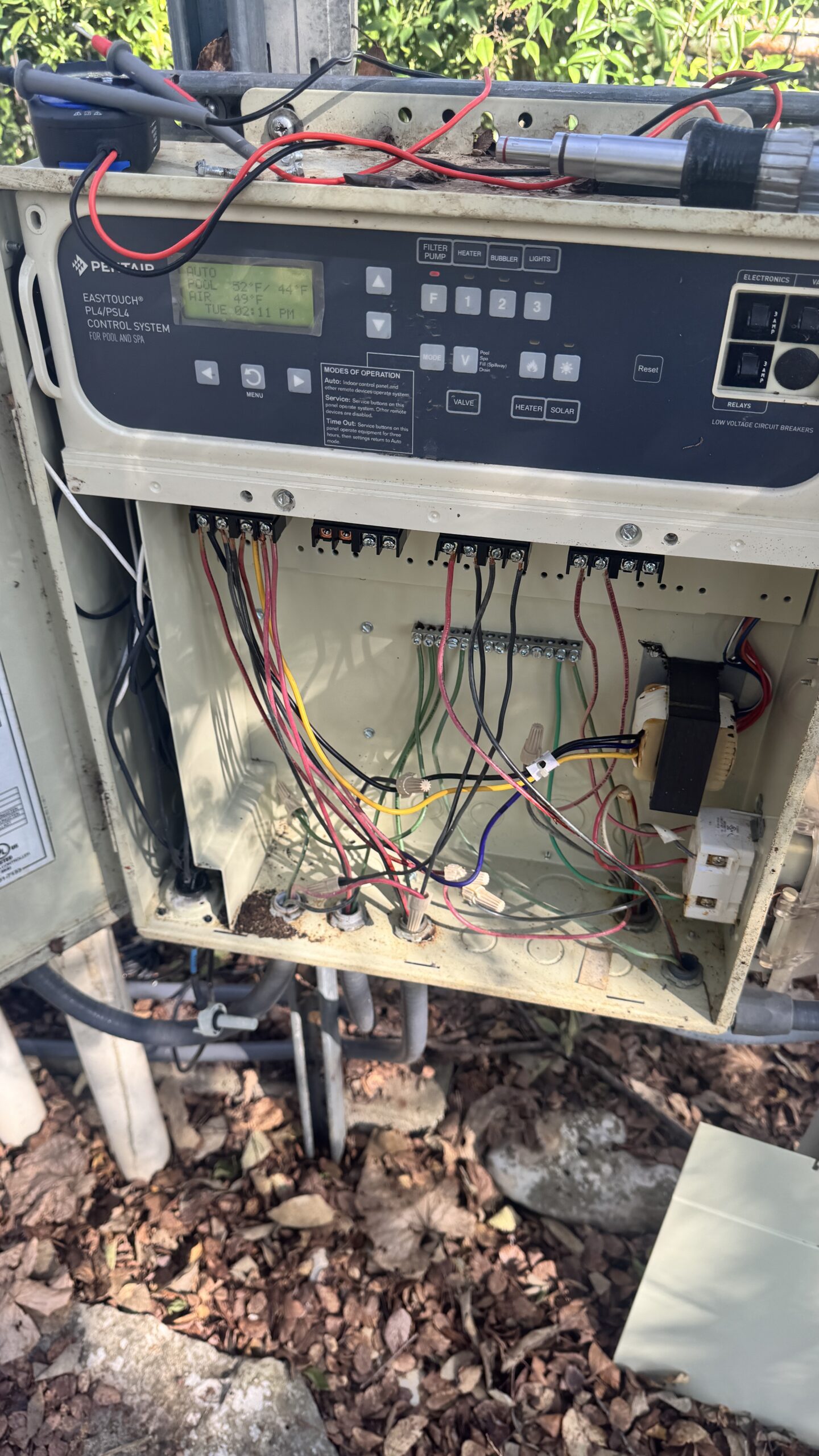
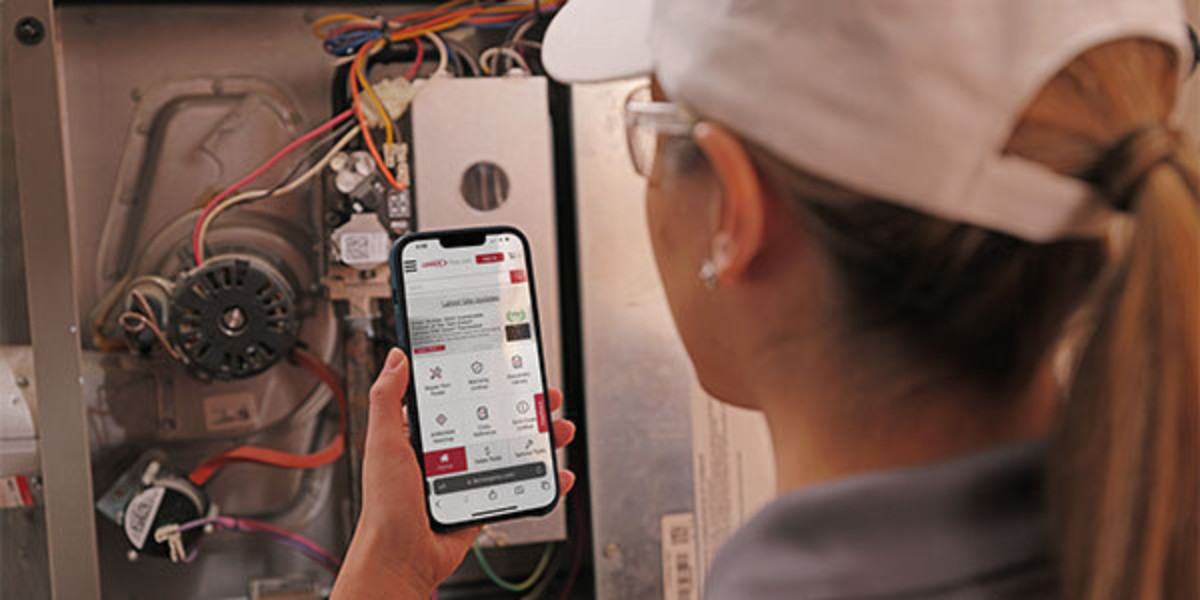
If monitors are the “eyes,” automation is the “brain.” High-end systems like the Pentair IntelliCenter or Hayward OmniLogic allow you to control your pump, heater, and LED lights from your phone while you’re at dinner in Legacy West.
The real value here is the Department of Energy. By using pool monitoring / smart pool technology to program a “low and slow” filtration schedule, you can cut your electricity usage by up to 70%. Plus, with current Oncor energy incentives, you can get up to $600 back for upgrading to these smart controllers.
Smart Pool Apps — No Hardware Required
You don’t always need to buy a $400 gadget to benefit from pool monitoring / smart pool technology. Apps like PoolMath (by TroubleFreePool) and Pooldash allow you to log your manual test results and get instant, precise chemical dosing instructions. These apps are the best way to prevent “over-treating” your pool, which is the #1 cause of chemical waste in North Texas.
What Smart Tech CAN and CAN’T Do
Don’t let the marketing fool you: pool monitoring / smart pool technology is a tool, not a pool boy.
- CAN: Monitor 24/7, alert you to leaks, and optimize energy schedules.
- CAN’T: Physically brush the “yellow dust” pollen off your steps, empty a skimmer basket full of oak catkins, or make complex “human” decisions about equipment repairs.
DFW-Specific Considerations for Smart Gear
- WiFi Range: Many Frisco and McKinney equipment pads are 50-100 feet from the house. You will likely need a WiFi extender to keep your pool monitoring / smart pool technology online.
- Heat Tolerance: Texas sun kills electronics. Ensure your monitors are IP67 rated and your control panels have proper shade.
- Storm Protection: Our April thunderstorms can cause power surges that fry automation boards. Always use a dedicated surge protector for your equipment pad.

People Also Ask
What is the best pool monitoring system in 2026?
The WaterGuru SENSE S2 is currently the top pick for DFW because of its discreet skimmer design and accuracy with our hard water.
Can I control my pool from my phone?
Yes, with an automation system like Jandy iAqualink or Pentair IntelliCenter, you have full remote control.
Are pool monitors accurate?
Most high-end sensors are accurate within 0.1 pH, but you should still double-check with a professional liquid test kit once a month.
Do I still need a pool service if I have a monitor?
Yes. A monitor tells you what’s wrong; a professional at PoolBurg actually fixes it and performs the physical cleaning tech can’t do.
Have smart pool tech?
At PoolBurg, we love it when our customers use pool monitoring / smart pool technology. We can work alongside your digital reports to ensure your water stays “safe and blue” without the guesswork.