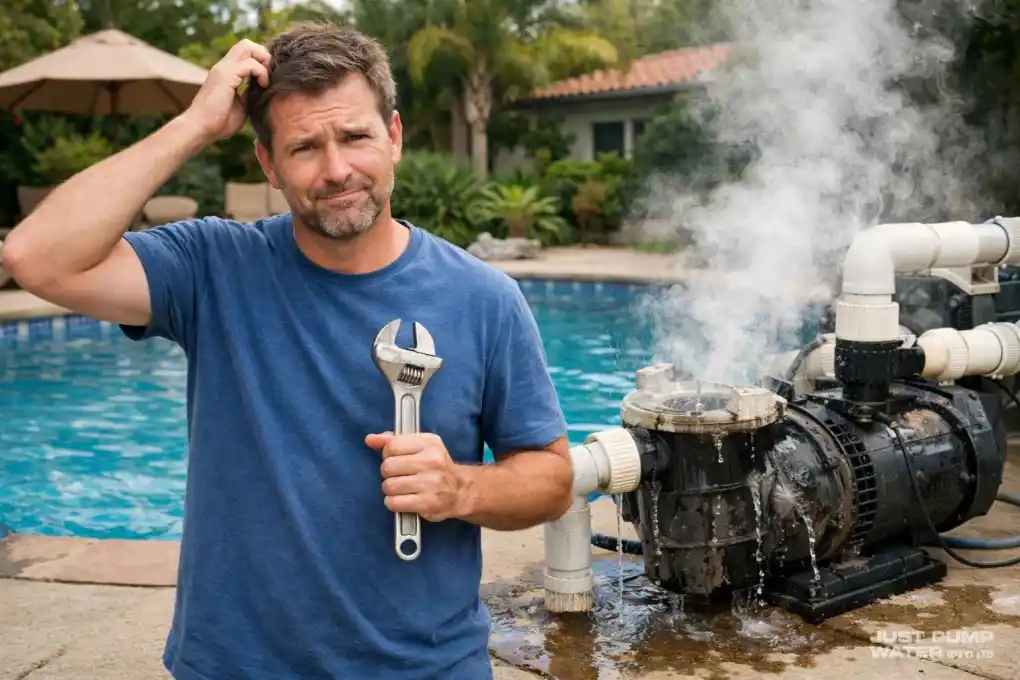
Pool pump overheating is one of those problems Texas homeowners should not ignore. A pump motor will feel warm during normal operation, especially on an exposed equipment pad in July. But if the pool pump is running hot enough to smell, shut off, trip power, or make you afraid to touch the casing, that is not normal. In Frisco, Plano, McKinney, Allen, The Colony, Lewisville, Southlake, Grapevine, Las Colinas, Farmers Branch, Carrollton, Addison, Keller, Garland, Mesquite, Wylie, and Prosper, long summer run times can turn a small flow issue into an overheated pool pump motor fast.
What Counts as an Overheating Pool Pump
A little warmth is expected. Dangerous heat is different. Red flags include a hot motor smell, the pool pump shuts off after running for a while, a loud hum before shutdown, a casing that feels unusually hot, or a motor that restarts only after cooling down. Hayward explains that debris blocking motor vents can make the motor run hot and possibly shut down, and the pump should be in an area with adequate drainage.
So when a pool motor is too hot, do not just ask how to cool it down. Ask why it is getting hot in the first place. Heat is usually the symptom, not the root problem.
The Most Common Causes of Pool Pump Overheating
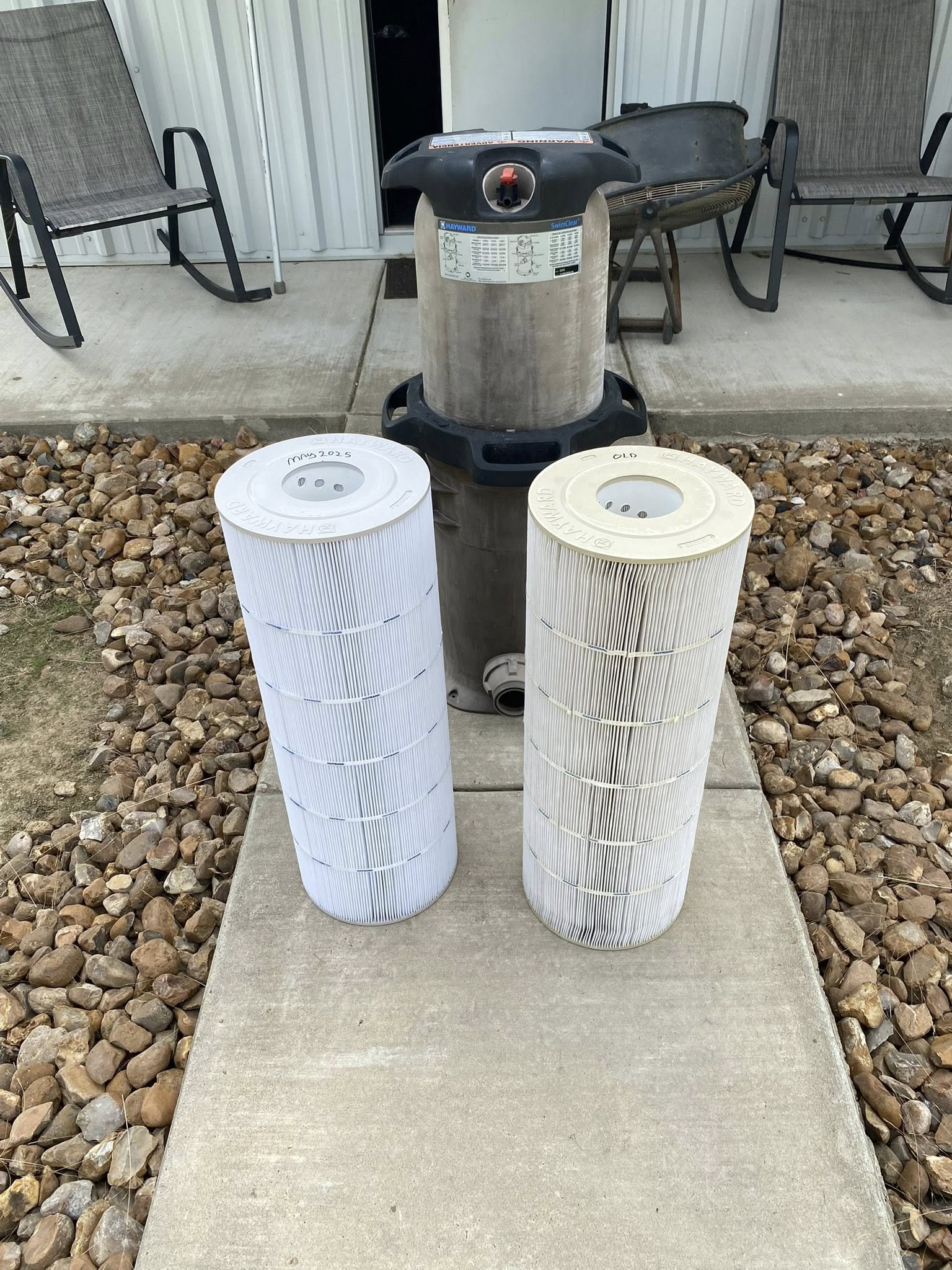
Flow problems are the first place to look. Dirty skimmer baskets, a packed pump basket, clogged impeller, dirty filter, closed valve, low water level, or poor prime can all make the motor work harder than it should. Pentair warns that operating a pump without proper priming, or allowing air into the system, can damage equipment and create unsafe conditions.
Mechanical drag is another big one. Bad bearings, a worn motor, or a partially jammed impeller can create resistance. Electrical issues can also create heat. Low voltage, undersized wiring, a failing capacitor, or motor overload can make the pump draw more current than it should. INYO Pools notes that motors that start and then shut down may be tripping thermal overload protection, while low voltage can also cause overheating.
Overheating vs Breaker Tripping vs Humming
These symptoms can overlap, but the order matters. If the pump hums first, then heats up, the issue may be a capacitor, stuck shaft, or locked impeller. If the motor gets hot and then shuts off, thermal overload may be protecting the motor. If the breaker trips immediately, that can point more toward a short, ground fault, locked motor, or wiring issue. PoolBurg’s pool pump trips breaker guide goes deeper into that electrical side.
That distinction matters because the wrong fix wastes money. Cleaning a basket will not fix burned windings. Replacing a motor will not fix a closed valve or starving suction line.
What to Do Immediately
If the pump smells burnt, shuts off repeatedly, trips the breaker, or the motor casing is extremely hot, turn it off and let it cool. Do not spray the motor with water. Do not remove the back cover while power is connected. Do not keep forcing restarts. ESFI recommends GFCI protection and proper grounding around pools and spas because outdoor pool equipment lives in a wet, high-risk environment.
A homeowner can safely check water level, empty baskets, look for obvious leaks, and confirm valves are open. Anything involving electrical testing, motor wiring, or internal components needs proper experience.
Repair or Replace
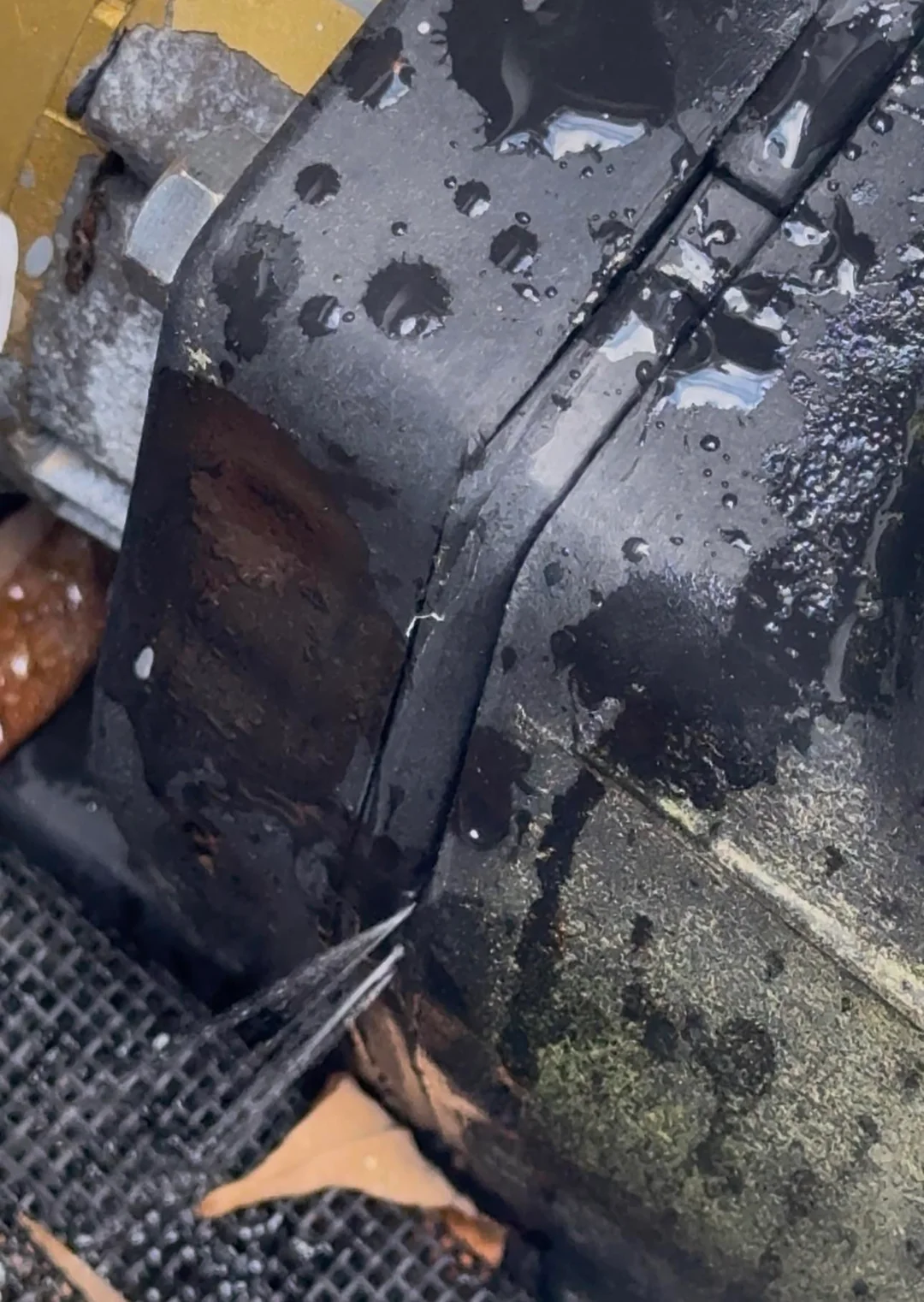
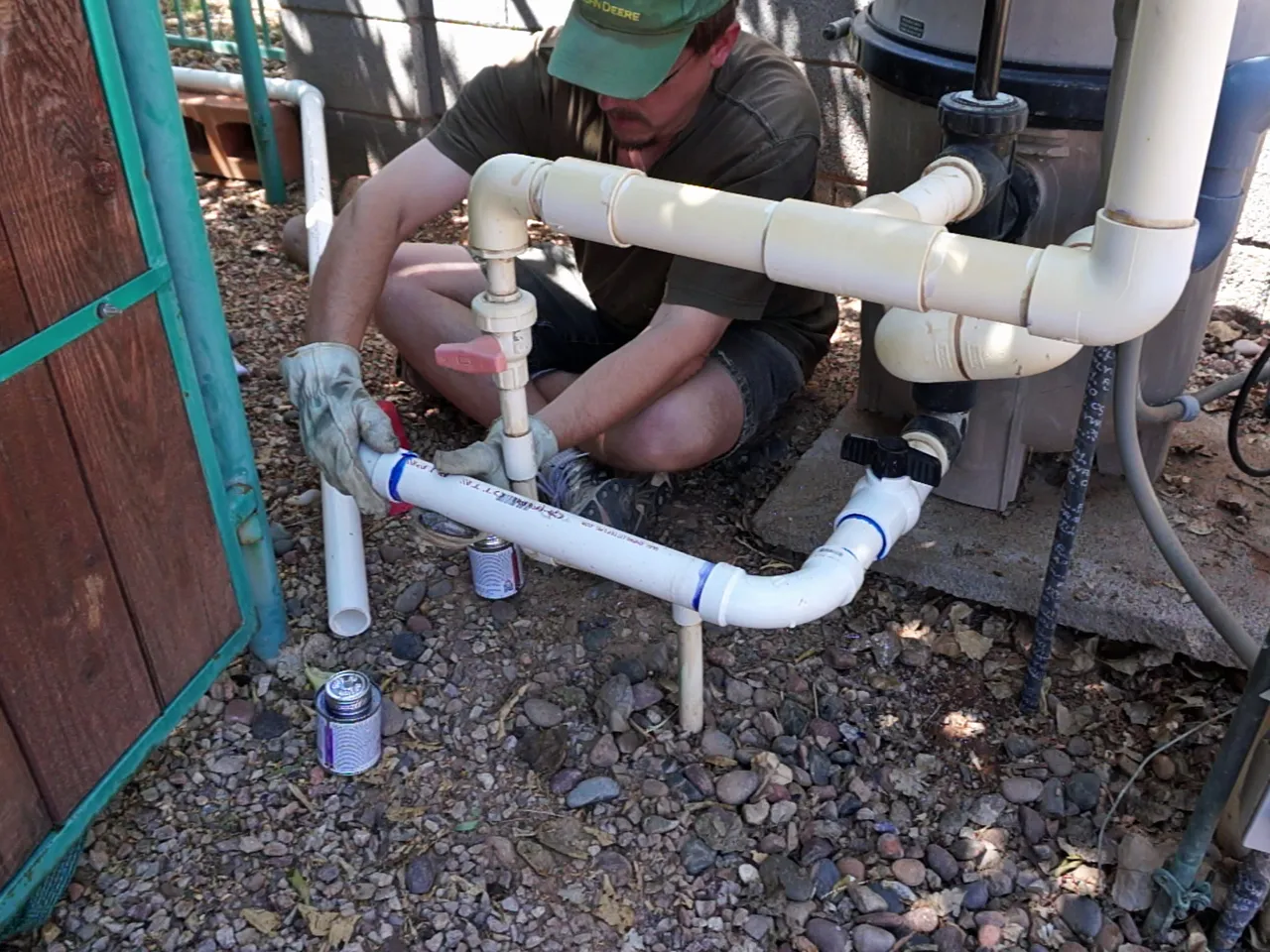
Minor causes can be repairable. A clogged basket, blocked impeller, dirty filter, poor ventilation, or bad capacitor may not mean the whole pump is done. But end-of-life signs look different: grinding, screeching, repeated overheating, rust, burnt smell, leaking seals, or a motor that shuts off even with good flow. PoolBurg’s pool pump motor burned out, pool pump bearing repair, pool pump repair cost, and faulty pool pump signs guides can help narrow down whether repair still makes sense.
A full pump swap is usually smarter when the motor is old, inefficient, loud, corroded, repeatedly overheating, or paired with aging equipment that will keep causing problems. ENERGY STAR also notes that certified pool pumps can save energy compared with standard models, which matters when a Texas pool runs long hours.
How PoolBurg Diagnoses Overheating in the Field
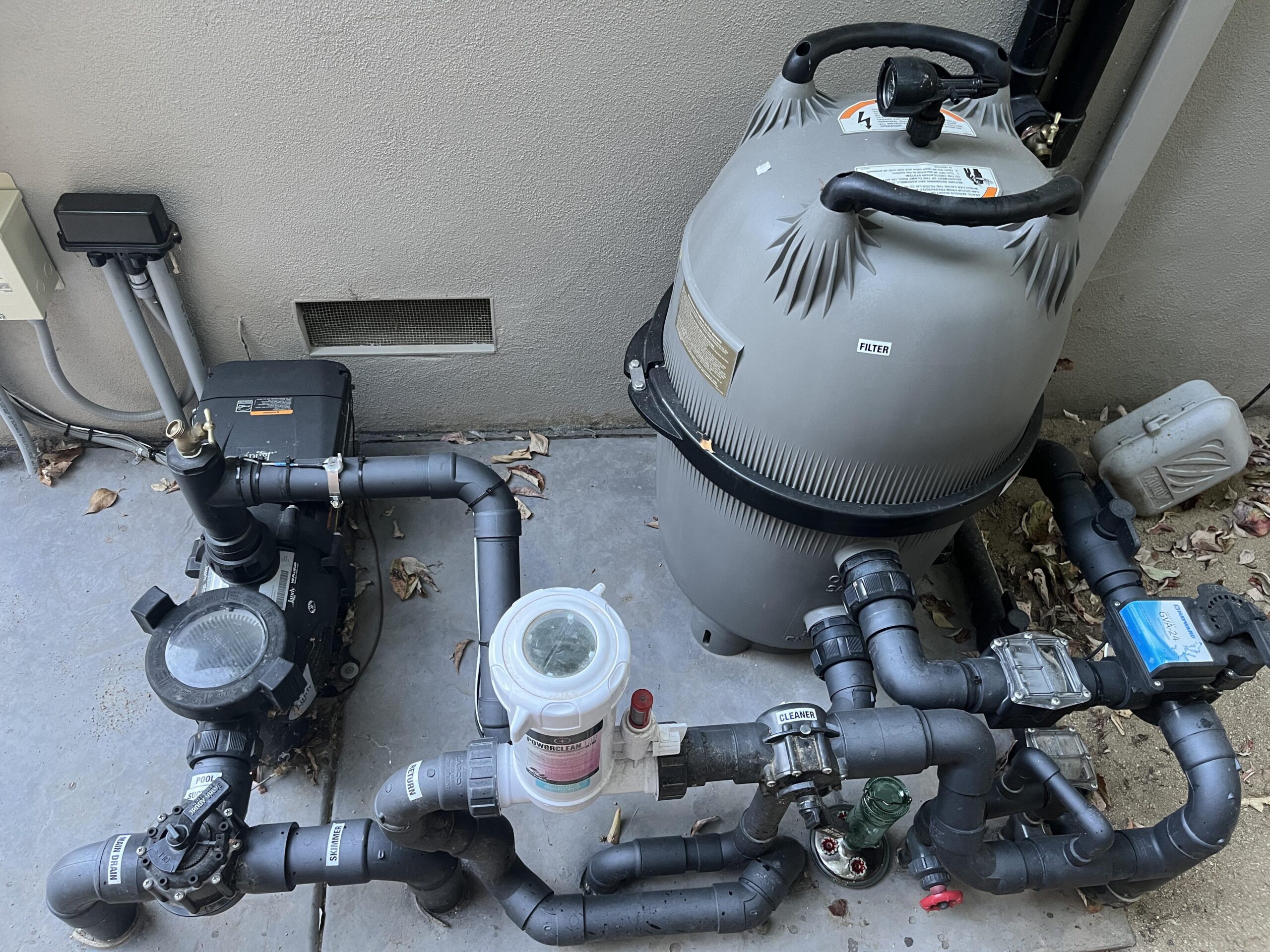
PoolBurg does not treat pool pump overheating like a guessing game. We check flow first: baskets, prime, filter pressure, valves, and return movement. Then we look at the heat and noise pattern. Is the pump humming? Grinding? Shutting off after ten minutes? Running louder than usual? From there, we review leaks, pressure, ventilation, electrical warning signs, and whether the motor is worth saving.
The goal is simple: catch the real cause before repeated overheating takes the pump offline in the middle of summer.
People Also Ask
Why is my pool pump overheating?
Pool pump overheating is usually caused by poor flow, blocked ventilation, bad bearings, a clogged impeller, low voltage, electrical overload, or an aging motor.
Why does my pool pump start and then shut off?
The motor may be tripping thermal overload protection because it is overheating, overloaded, poorly ventilated, or struggling against restriction.
Can a dirty filter make a pool pump overheat?
Yes. A dirty filter can restrict circulation, increase strain, and contribute to the pump running hotter than it should.
Is it safe to run a hot pool pump?
Not if it smells burnt, shuts off, trips power, or feels dangerously hot. Turn it off and have it inspected before forcing another cycle.
How do I know if my pool pump motor is going bad?
Common signs include loud bearings, repeated overheating, humming, tripping breakers, leaking seals, loss of prime, poor flow, and a motor that shuts off after warming up.
PoolBurg Can Check the Pump Before It Fails
If your pool pump is running hot, do not wait until it dies during a Texas heat wave. PoolBurg can provide an equipment check, diagnose flow and motor issues, and explain whether the fix is simple or whether replacement is the smarter move. Contact PoolBurg for pool pump help before repeated overheating turns into a full shutdown.