Pool pump loses prime overnight is one of those problems that makes homeowners feel like the equipment has a mind of its own. The pump may run fine during the day, then you come back the next morning and the basket is half empty, full of air, or slow to catch prime again. That usually means water is draining back or air is sneaking into the suction side while the system rests. In North Texas, heat, clay soil movement, aging valves, and long summer run times can make a small suction issue show up fast.
What Losing Prime Overnight Actually Means
A primed pool pump means the pump housing and suction line are full of water, so the impeller can move water instead of fighting air. When a pool pump loses prime when off, the water in the pump basket or suction plumbing is not staying sealed. That is different from a normal start-up delay after opening the lid for cleaning. If you did not open anything and the basket keeps emptying overnight, start thinking air leak, backflow, or suction-side plumbing trouble.
Hayward says a pump that will not fill with water can be caused by an air leak on the suction side, suction-line obstruction, impeller trouble, or other circulation issues.
The Most Common Overnight Causes
The first suspect is the pump lid O-ring. A dry, cracked, stretched, dirty, or flattened O-ring can let air in without creating an obvious water leak. INYO Pools explains that the pool pump strainer lid O-ring can provide a direct route for air to foul the pump prime when it loses flexibility or becomes damaged.
Low water level is another common cause. If the skimmer starts pulling air, you may see bubbles at the returns and a pump basket that will not stay full. Valve stem leaks, loose unions, cracked fittings, suction-side pipe cracks, and failing check valves can also let water drain back overnight. PoolDial notes that valve packing glands and hairline fitting cracks can create hard-to-see suction leaks that interfere with priming.
Above-Ground Clues vs Underground Clues
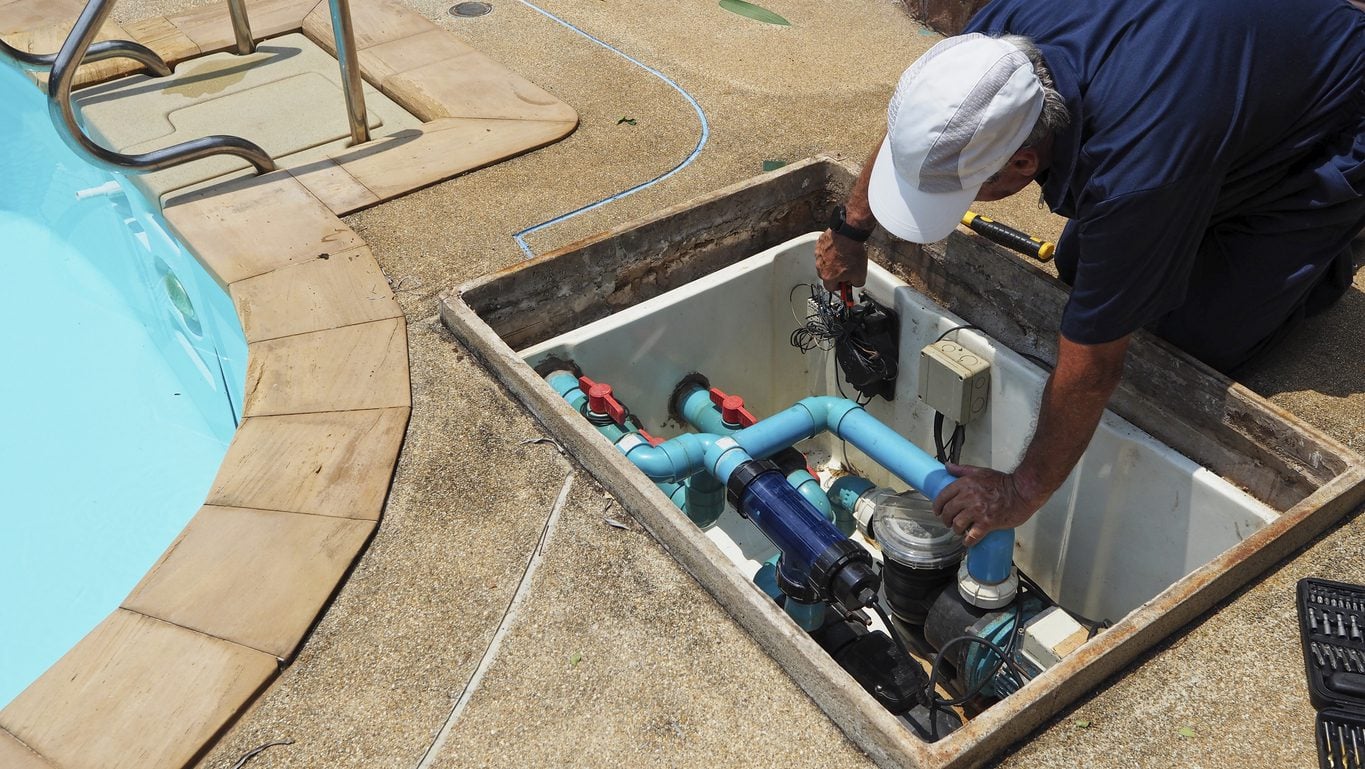
Start with what you can see on the pad. Look around the pump lid, unions, valves, drain plugs, and pipe joints. If the pump basket drains down but the pad stays dry, do not assume there is no leak. Suction leaks often pull air in while the pump runs instead of spraying water out like a pressure-side leak. PoolBurg’s pool pump pipe leak guide can help separate pipe leaks from air leaks around the equipment pad.
If everything above ground looks clean but the problem keeps returning, underground suction plumbing may be involved. In DFW areas like Frisco, Plano, McKinney, Allen, The Colony, Southlake, Las Colinas, Carrollton, Addison, Keller, Garland, Mesquite, Wylie, and Prosper, clay soil expansion and contraction can stress buried plumbing over time.
Why Air Bubbles At The Returns Matter
Air bubbles are not just cosmetic. Bubbles at the return jets often mean air is entering before the pump. A few bubbles right after cleaning the basket may be normal, but steady bubbling, a churning pump basket, or a basket that never fills completely is a strong clue. INYO Pools also outlines simple suction-side air leak tests, including using soapy water, smoke, or shaving cream around suspected fittings to help locate where air is being pulled in.
The water level inside the basket tells a story too. If the basket drains only when the system shuts off, the issue may involve a check valve or water draining backward. If the basket stays bubbly while running, an active air leak in pool pump plumbing is more likely.
Checks A Homeowner Can Do Before Calling
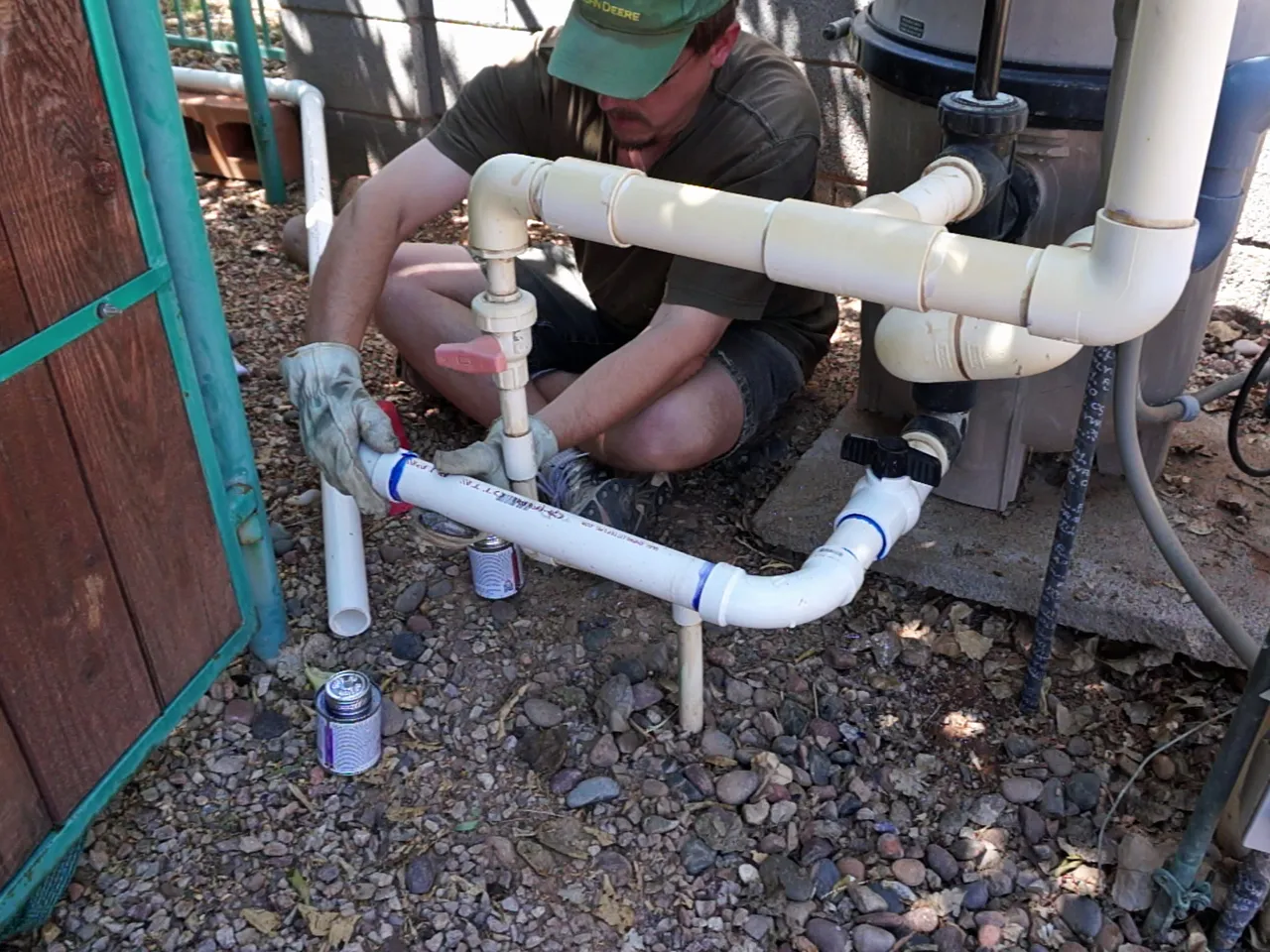
Before calling for service, check the basics. Make sure the pool water level is halfway up the skimmer opening. Empty the skimmer and pump baskets. Clean the pump lid O-ring, inspect it for cracks, and use pool-safe silicone lubricant only. Check visible unions and valves, but do not crank them tighter with force. Overtightening can warp lids, crack fittings, or make a small problem worse. PoolBurg’s pool water level too low guide is a good starting point if the skimmer is gulping air.
Blue Science also points out that loose suction-side plumbing can cause the pump to suck air while trying to prime, which may prevent the pump from fully catching prime.
When Overnight Prime Loss Becomes Urgent
Do not let pool pump losing prime become a normal part of your morning routine. Running a pump with too much air can strain seals, heat the motor, reduce filtration, and leave water under-circulated. Once circulation suffers, cloudy water and algae are not far behind, especially during Texas heat. PoolBurg’s pool pump priming problems, pool pump suction loss, and pool pump air lock guides cover related symptoms if your pump is struggling in more than one way.
People Also Ask
Why does my pool pump lose prime overnight?
Usually because air is entering the suction side, water is draining backward, the pump lid seal is weak, the water level is low, or a valve or check valve is not sealing correctly.
Why are there bubbles coming from my pool returns?
Return bubbles often mean air is being pulled into the suction side before the pump. Check the pump lid, O-ring, valves, unions, skimmer water level, and suction plumbing.
Can low pool water level cause prime loss?
Yes. If the water is too low, the skimmer can pull air into the system and cause the pump to lose or struggle to hold prime.
How do I know if I have a suction-side leak?
Look for a bubbly pump basket, air at the return jets, slow priming, prime loss when the pump shuts off, or hissing around valves and fittings while the pump runs.
Why is my pump basket not staying full?
The basket may not be staying full because of a lid seal leak, suction-side air leak, low water level, valve leak, cracked fitting, clogged line, or check-valve problem.
PoolBurg Can Find The Air Leak Before It Burns Up The Pump
If your pool pump loses prime overnight, do not keep forcing it to run dry or fight air every morning. PoolBurg can inspect the lid seal, valves, unions, suction plumbing, check valve, water level, and equipment behavior before the issue turns into seal damage or motor failure. Contact PoolBurg for a leak-and-prime diagnostic visit and let us find where the air is getting in.