If you are a homeowner in right now, you are likely looking at your pool and seeing a thick layer of “yellow dust” on the surface. This oak pollen onslaught is one of the heaviest we’ve seen in years, and it is acting as an all-you-can-eat buffet for algae. This is the exact moment when pool skimmer problems transition from a minor annoyance to a total backyard crisis. With Texas diesel prices sitting at $5.11 a gallon due to the ongoing Iran war disruptions, the cost of chemical “rescue” treatments is skyrocketing.
You simply cannot afford to have a skimmer that isn’t pulling its weight. Understanding the root causes of pool skimmer problems is the only way to protect your “hydraulic health” before the triple-digit Texas summer arrives.
What Does Your Pool Skimmer Do (and Why Does It Matter)?
Think of your skimmer as the “mouth” of your pool’s circulation system. Its job is to pull surface water and floating debris—leaves, bugs, and that relentless oak pollen—into the filter before it has a chance to sink to the bottom. Most DFW pools have one or two skimmers, and when they are working correctly, your water stays “safe and blue” with minimal effort. However, when you start experiencing pool skimmer problems, the entire filtration cycle breaks down. Debris settles on your plaster, fueling algae growth and forcing your pump to work twice as hard.
Common Pool Skimmer Problems in North Texas
Our unique North Texas environment is particularly “hostile” to pool equipment. We don’t just deal with heat; we deal with shifting earth and extreme temperature swings.
Skimmer Body Cracks
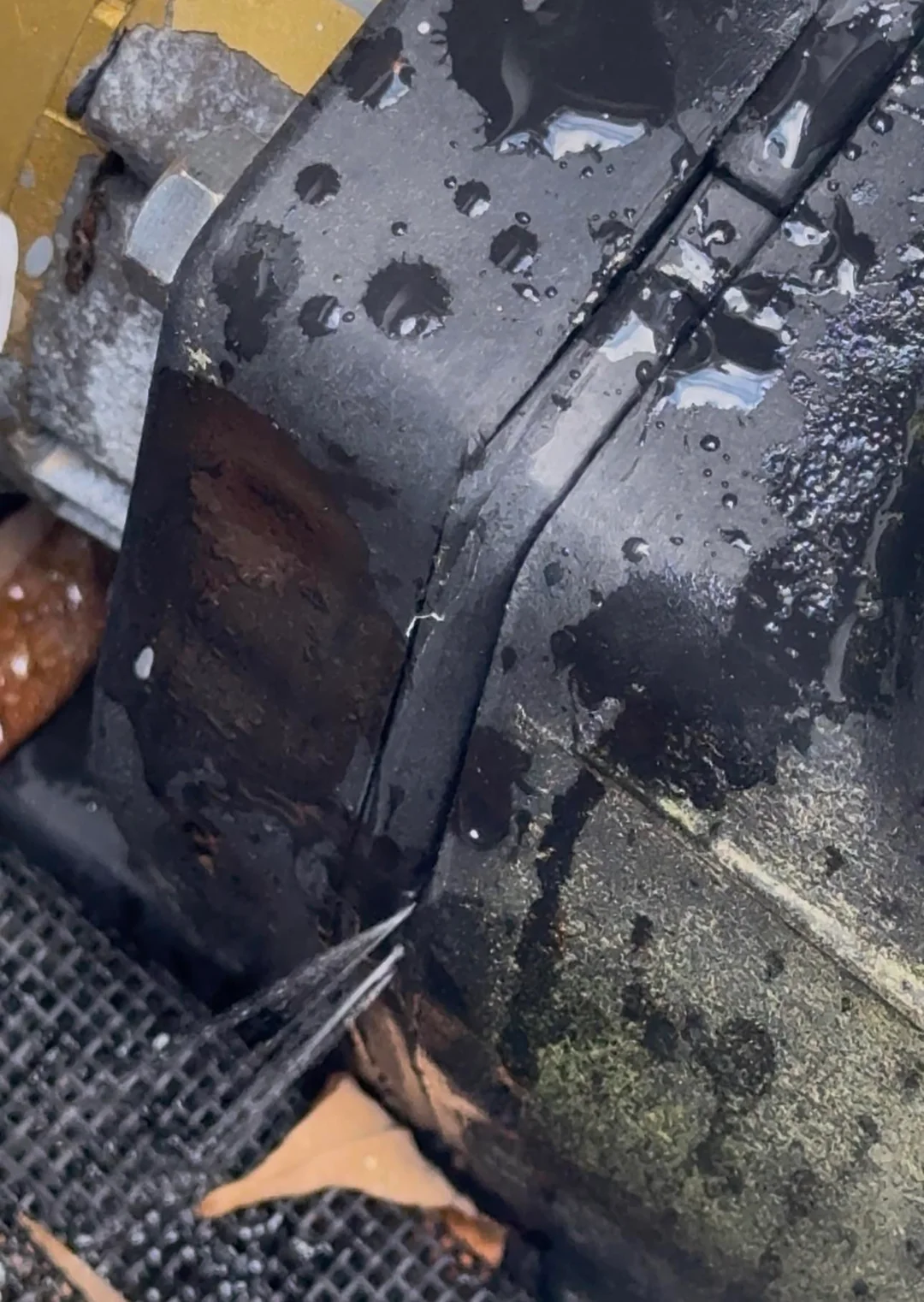
The rigid plastic of a skimmer doesn’t play well with DFW’s expansive clay soil. When the soil dries out and shrinks, or gets saturated and swells, it puts massive pressure on the skimmer well. This often results in a structural crack in the throat or the bowl. If you see a skimmer leak where the water level always stops right at the bottom of the skimmer opening, you likely have a body crack.

Skimmer-to-Pool Connection Leak
The joint where the plastic skimmer meets the concrete pool shell is known as a “cold joint.” Because these two materials expand and contract at different rates, this is a notorious spot for a skimmer leak. According to 2026 leak detection data, this is the #1 cause of unexplained water loss in North Texas pools.
Broken Weir Doors and Brittle Baskets
The “flapper door” (weir) is what creates the surface tension needed to pull in pollen. If it’s stuck or missing, your skimmer loses 50% of its efficiency. Similarly, a cracked basket allows debris to fly straight into your pump impeller. These are small pool skimmer problems that lead to $600 pump repairs if ignored.
Pool Skimmer Repair Options and Costs in DFW
The “unvarnished truth” is that ignoring pool skimmer problems is the most expensive mistake you can make. Based on HomeGuide repair averages, here is what you can expect to pay for fixes in 2026:
- Minor Fixes (Basket/Weir): $10–$50. This is a simple DIY-friendly replacement.
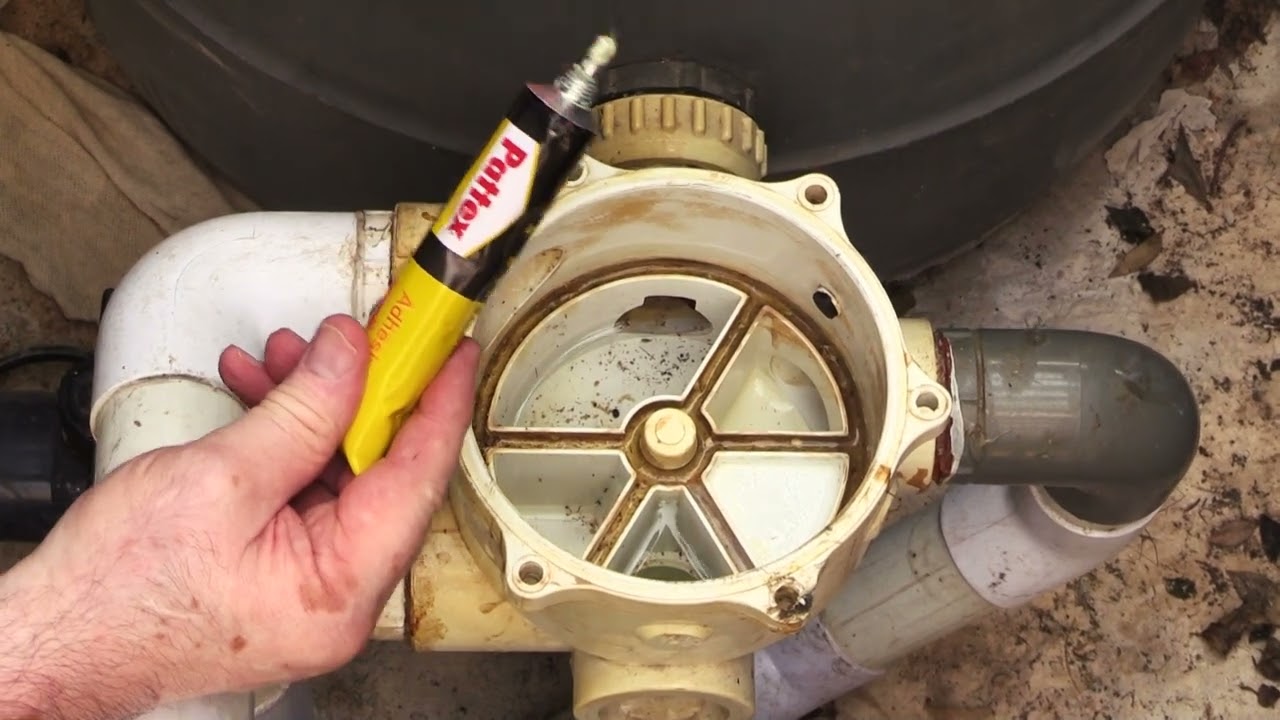
- Skimmer Leak Repair (Epoxy): $100–$300. Professional sealant can bridge minor cracks, but it’s often a “band-aid” for structural soil movement.
- Connection/Joint Repair: $200–$600. This requires draining the water below the tile line and reseating the joint with specialized pool mastic.
- Full Pool Skimmer Replacement: $1,200–$3,000+. If the body is shattered, you have to cut into the concrete deck and excavate. This is the “nuclear option” for pool skimmer problems that have been left too long.
Preventing Skimmer Problems in North Texas
You can’t stop the North Texas soil from moving, but you can protect your equipment. We recommend “watering your foundation”—and your pool deck—to keep soil moisture levels consistent. This reduces the “heave” that causes a skimmer leak. During freeze events, always use a Gizzmo or freeze protector to absorb the expansion of ice. Most importantly, maintain your water level halfway up the skimmer opening. If it gets too low, your pump will suck air and overheat, turning a skimmer issue into a full mechanical failure.
People Also Ask
How do I know if my pool skimmer is leaking?
Try the “Dye Test.” Squirt a little food coloring near the corners of the skimmer throat with the pump off. If the color gets sucked into a crack, you’ve found your skimmer leak.
How much does a full pool skimmer replacement cost in Frisco?
For a professional job including deck work and plumbing, expect to spend between $1,500 and $2,500 in the current 2026 market.
Can a cracked pool skimmer be repaired?
Surface cracks can often be patched with underwater epoxy, but structural cracks caused by shifting DFW clay usually require a full pool skimmer replacement.
Why is there no suction at my pool skimmer?
Check for a clogged line or a weir door that is stuck in the “up” position. Also, verify that your pump basket is clean and the seal is tight.
Suspect a skimmer problem?
Don’t let a tiny skimmer leak erode the soil under your pool deck. At PoolBurg, we are the “guardians of your hydraulic health” in Frisco and McKinney. We’ll perform a professional diagnostic to identify your pool skimmer problems and recommend the most cost-effective fix to keep your pool healthy and clear.