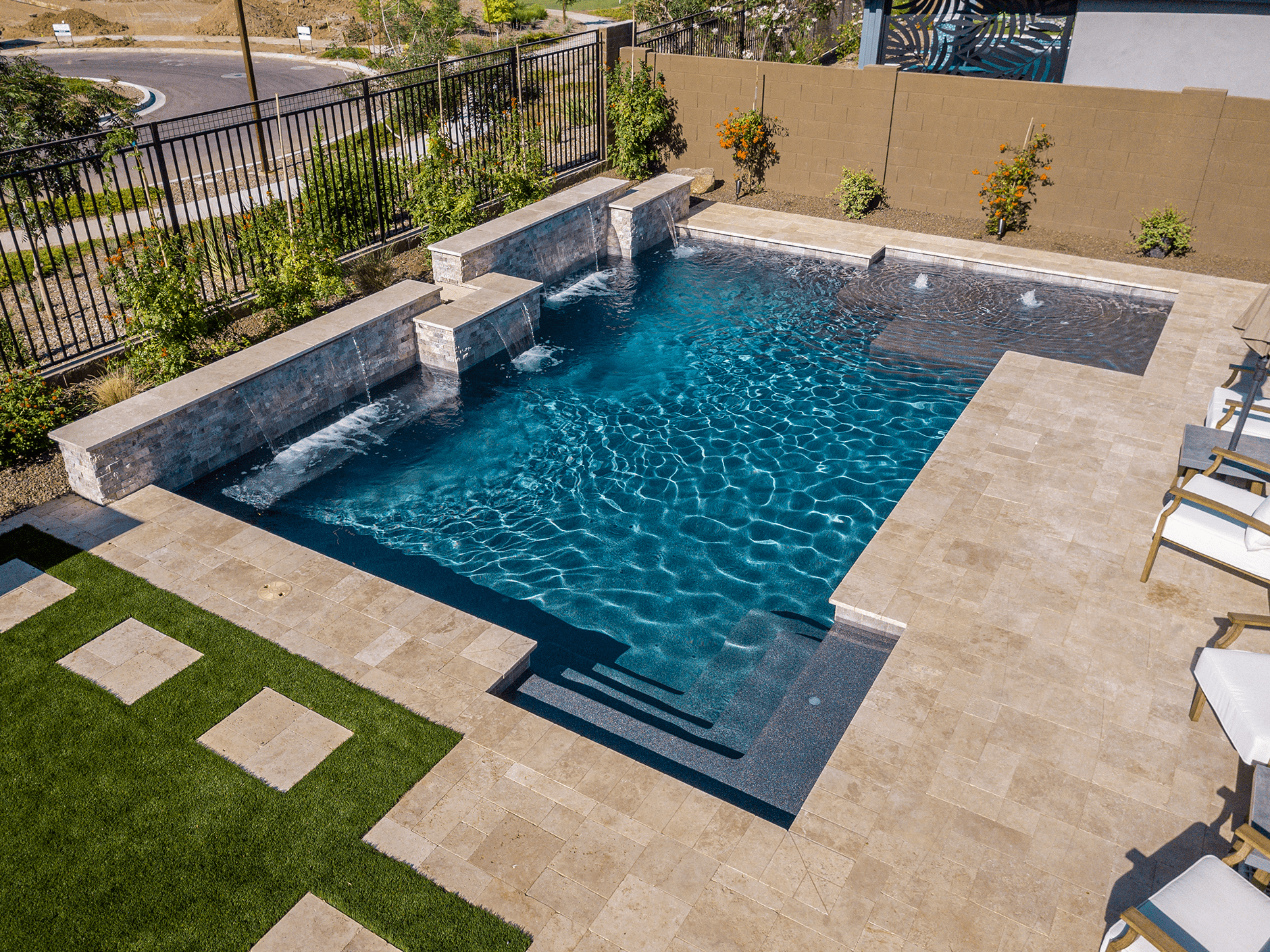
If your pool floor has started feeling like a cheese grater on your feet, you are likely researching different pool resurfacing types to restore your backyard paradise. This April 2026, my neighbors in Frisco and McKinney are facing a unique set of challenges that make this decision more than just a matter of “which color looks best.” With Texas diesel prices hitting $5.11 a gallon due to the ongoing Iran war disruptions, the logistics of hauling heavy materials for a remodel have become significantly more expensive.
Furthermore, the annual “yellow dust” oak pollen onslaught is currently acting as an all-you-can-eat buffet for algae. If your finish is pitted or rough, that pollen settles into the cracks and makes keeping your water “safe and blue” nearly impossible. Selecting the correct pool resurfacing types is now a strategic move to protect your investment from North Texas’ “liquid rock” hard water and shifting clay soil.
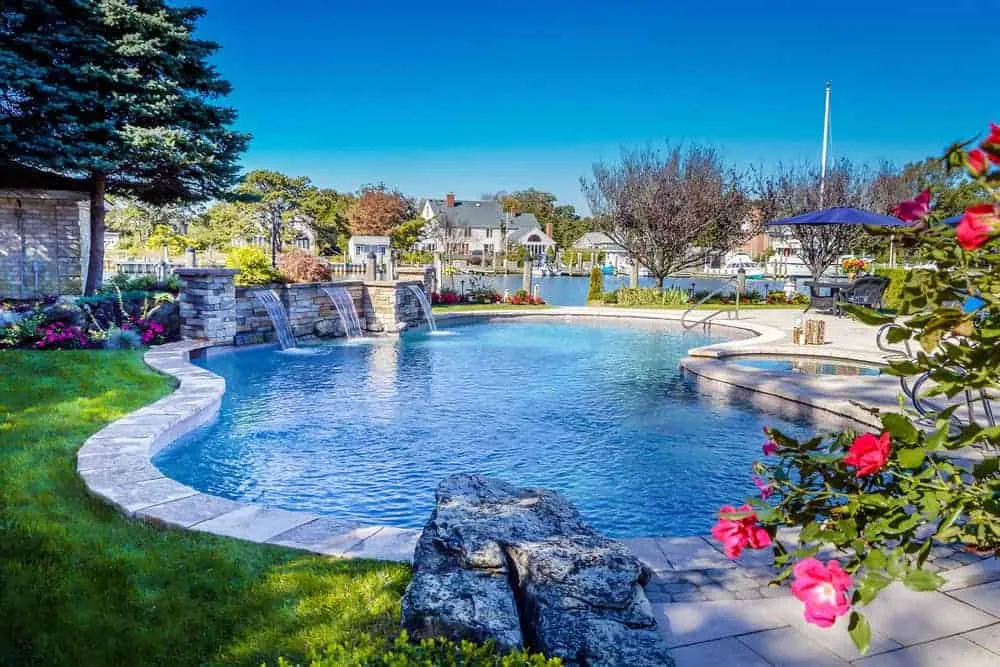
It’s Time to Resurface — But Which Finish Is Right for Your DFW Pool?
Every gunite pool in the DFW metroplex will eventually need a face-lift. Typically, we see owners evaluating pool resurfacing types every 8 to 15 years, though our harsh environment often moves that timeline up. The “unvarnished truth” is that the finish you choose will dictate your maintenance work for the next decade. In North Texas, our high calcium levels—often exceeding 250 ppm according to the latest NTMWD reports—mean that more porous pool resurfacing types will degrade much faster than they would in other states.
Pool Resurfacing Types — Full Comparison
When we look at the most common pool resurfacing types, we categorize them by their ability to withstand “chemical warfare” and physical abrasion. Here is how the classic plaster vs pebble vs quartz pool finish debate breaks down for North Texas homeowners.
Standard and Colored Plaster
Standard white plaster is the original “budget” entry among pool resurfacing types. It consists of cement, marble dust, and water. While it’s smooth and bright when new, it is the most vulnerable to the DFW sun. Most families find that standard plaster rarely lasts more than 5–8 years here because our hard water calcium embeds into the pores. Colored plaster adds pigment but doesn’t add durability. If you are looking at long-term value, these are usually the least effective pool resurfacing types for the 2026 climate.
Quartz Aggregate (Diamond Brite, Hydrazzo, BeadCrete)
This is the “sweet spot” for most DFW backyards. By mixing plaster with colored quartz crystals, you get a much denser, less porous surface. When comparing pool resurfacing types, quartz offers a massive upgrade in durability for a moderate price increase. It resists calcium penetration significantly better than basic plaster and holds its color longer under the intense Texas UV rays. For many, this is the most balanced choice when looking at plaster vs pebble vs quartz pool finish options.
Pebble Finish (PebbleTec, PebbleSheen, StoneScapes)
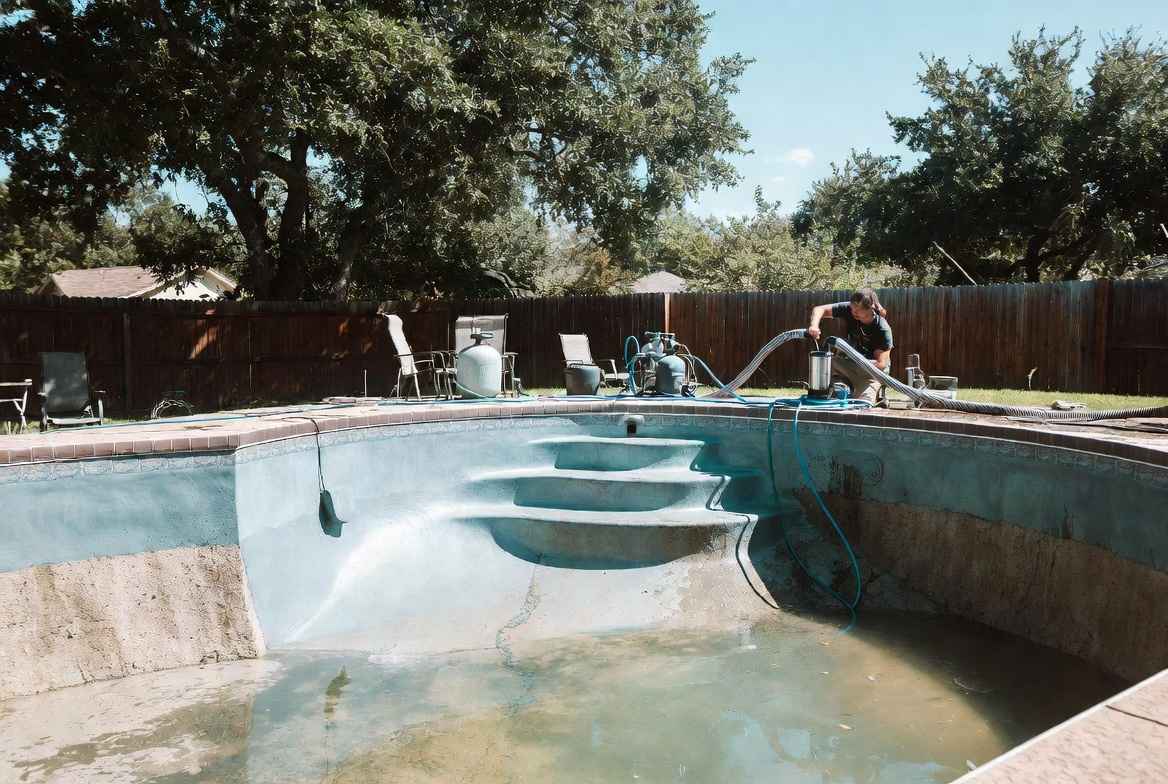
If you want the “bulletproof” option among pool resurfacing types, this is it. Pebble finishes use natural stones and specialized cement to create the densest surface available. In the hierarchy of pool resurfacing types, pebble is the champion of hard water resistance. While original PebbleTec can be rough on the feet, variants like PebbleSheen offer a smoother texture that Frisco families love. These pool resurfacing types can easily last 20+ years if maintained correctly.
Glass Bead and Full Tile
For premium homes in Southlake or Prosper, glass beads (like Pebble Brilliance) offer a stunning shimmer. However, for those who never want to deal with pool resurfacing types again, full tile is the ultimate choice. Tile is non-porous, meaning calcium just sits on the surface and can be wiped away. It is the most expensive of the pool resurfacing types, but it offers the lowest lifetime maintenance cost.
PoolBurg’s Recommendation for DFW Hard Water
Based on 2026 repair cost data, we strongly recommend Quartz Aggregate or PebbleSheen for North Texas. Spending more upfront on these specific pool resurfacing types saves you thousands over 20 years because you won’t be paying for “acid washes” every two years to remove scale from porous surfaces. When considering plaster vs pebble vs quartz pool finish, always think about the “burn rate” of your chemicals and the health of your plaster.
Resurfacing Timeline — When Is Your DFW Pool Due?
You’ll know it’s time to look at new pool resurfacing types when you see:
- “Plaster Pops”: Small chunks of the finish delaminating from the concrete shell.
- Sandpaper Roughness: The floor feels abrasive, a sign that the cement is leaching away.
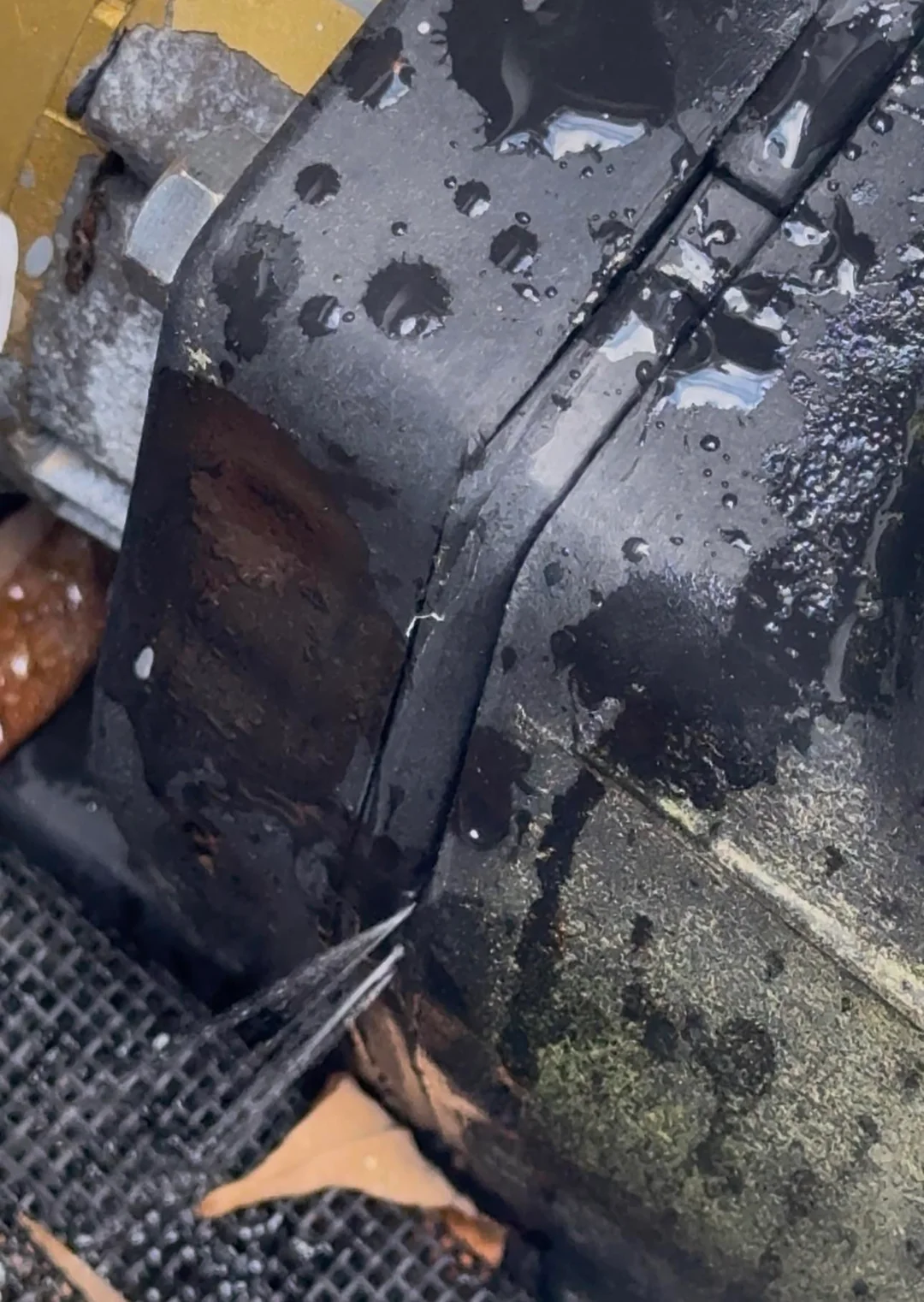
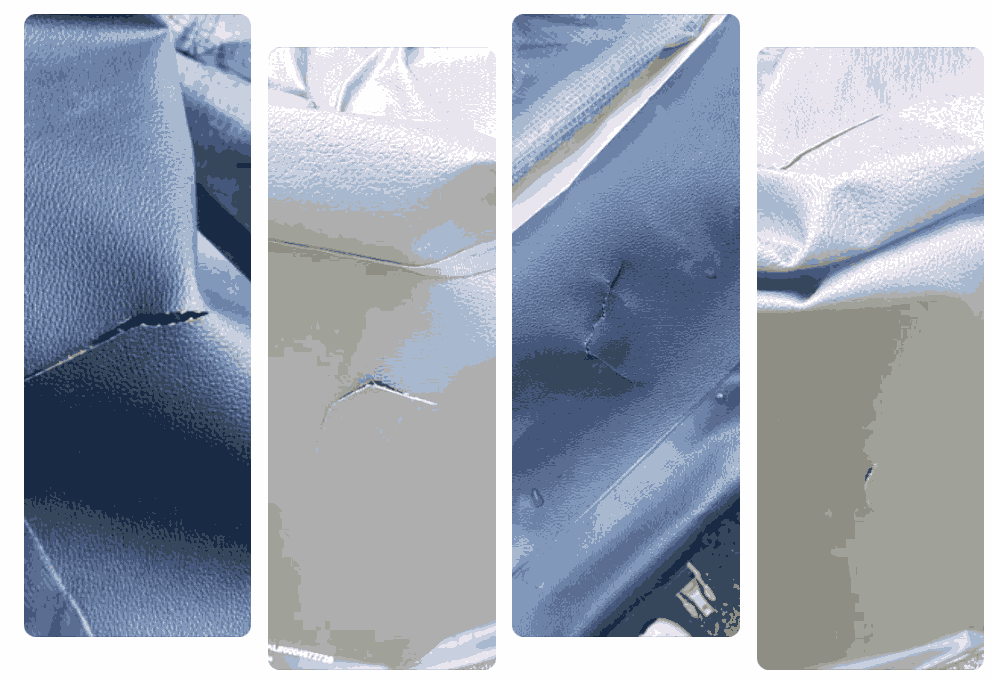
- Visible Cracks: Hairline fractures that often lead to mysterious water loss.
Stubborn Stains: Discoloration from minerals that won’t come off with standard weekly service.
People Also Ask
What is the best of all pool resurfacing types for hard water?
Pebble and tile are the top choices because they are the least porous and most resistant to mineral staining.
How much do the various pool resurfacing types cost in DFW in 2026?
Expect to pay between $6,000 and $15,000 for standard pools. Premium pool resurfacing types like glass bead or tile can exceed $20,000.
Which is better: plaster vs pebble vs quartz pool finish?
For longevity and ease of care, pebble is the best. For a balance of smooth feel and durability, quartz is the winner. Plaster is best only for tight budgets.
How often do you need to look at pool resurfacing types in North Texas?
Approximately every 7–10 years for plaster-based finishes, or up to 20 years for high-quality pebble finishes.
Pool surface looking rough?
Don’t wait for a leak to ruin your backyard. At PoolBurg, we are the “guardians of your hydraulic health.” We can help you navigate all the available pool resurfacing types and ensure yourpool remains healthy and beautiful for years to come.