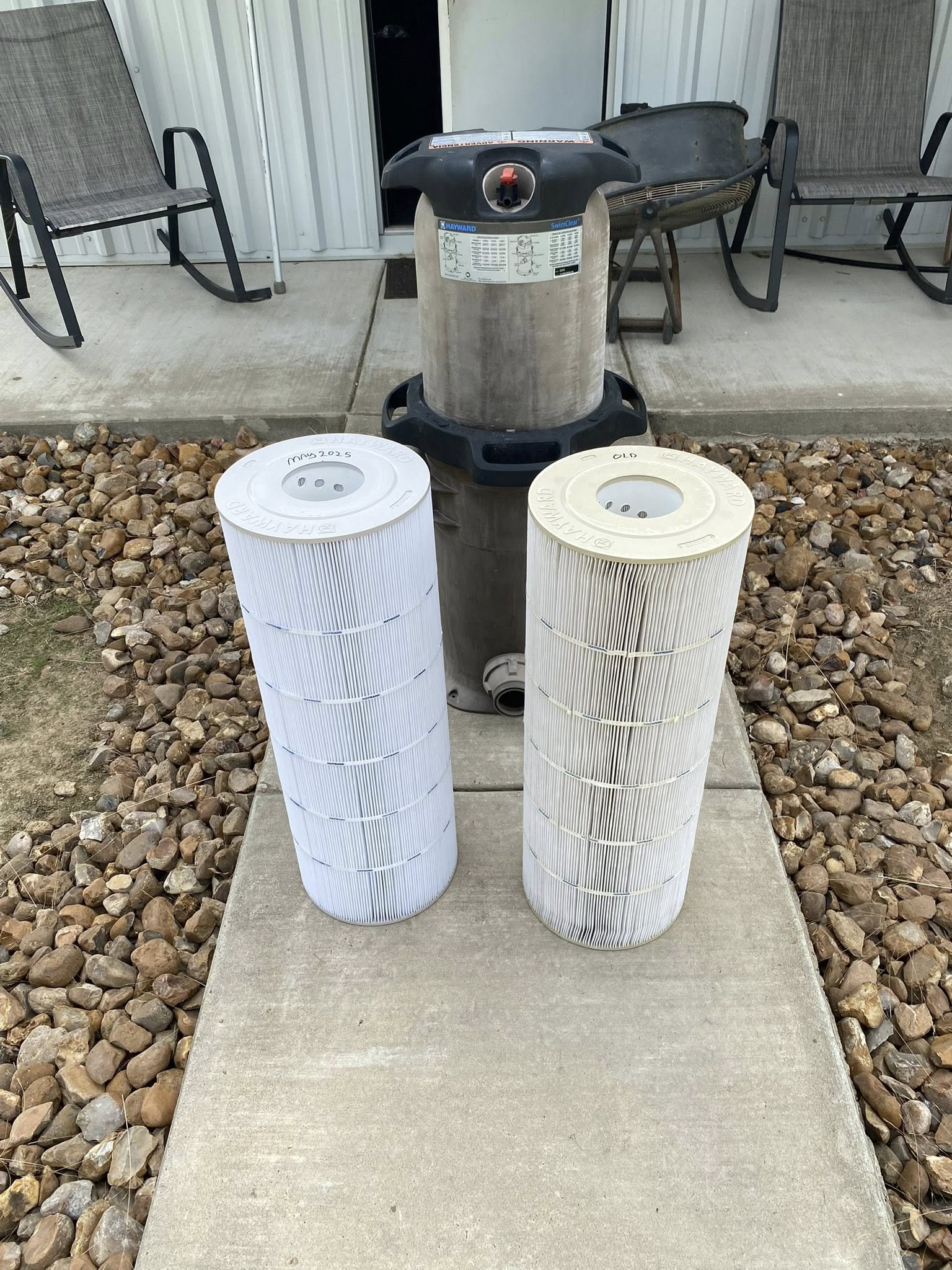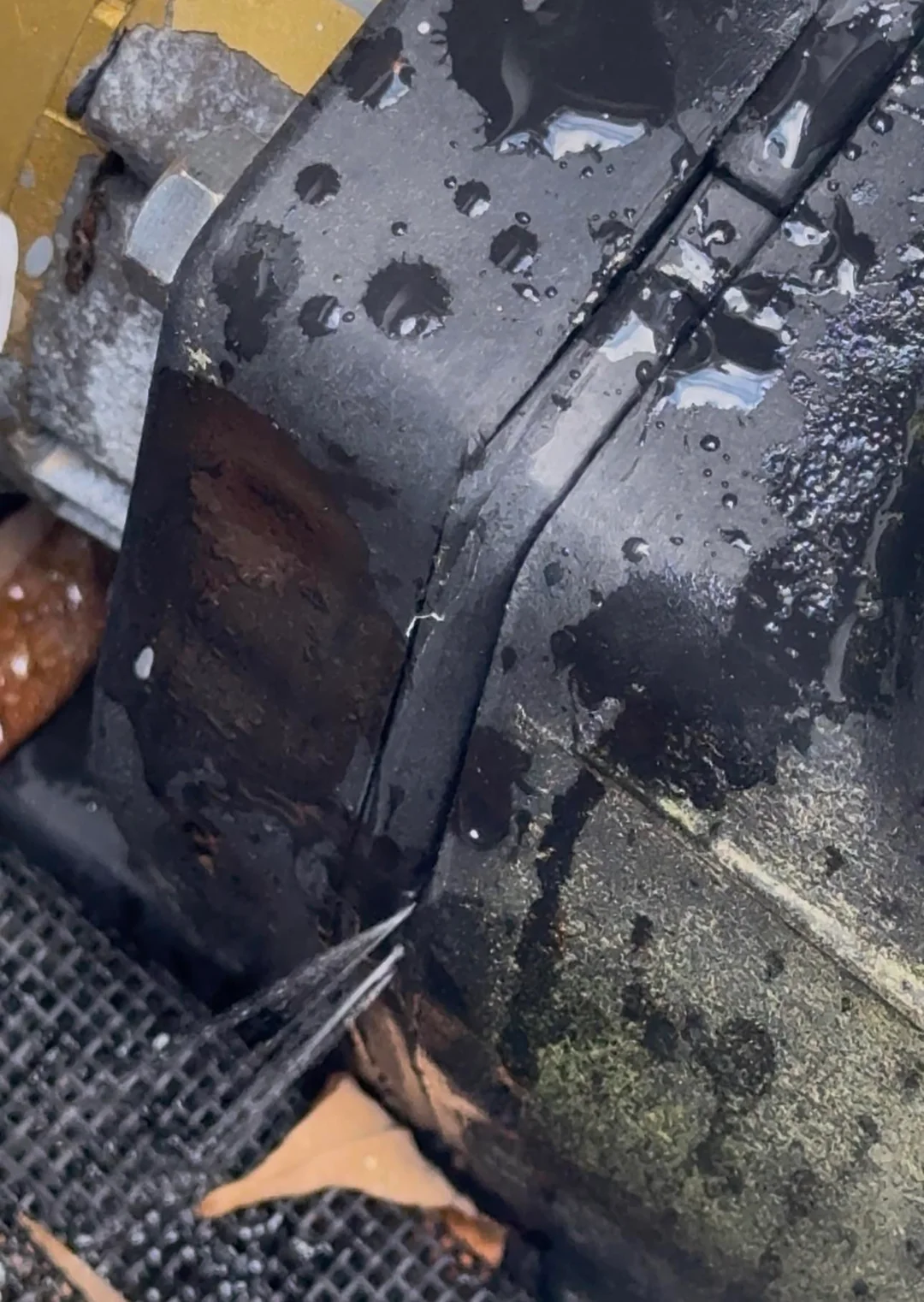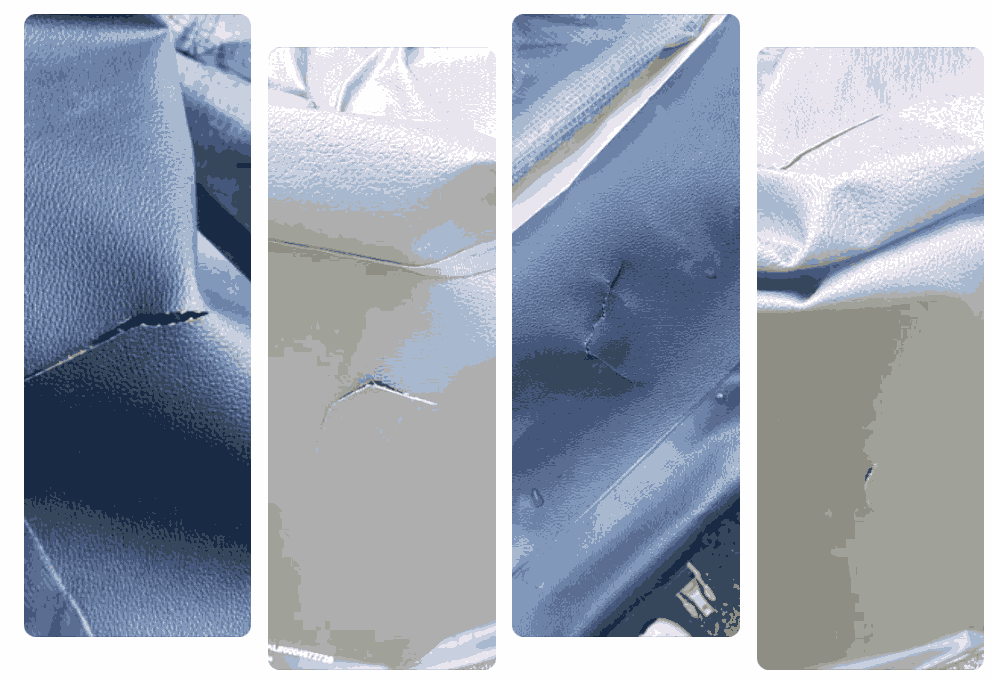

TCell940 replacement should be the last step, not the first, when an AquaRite system stops keeping up with chlorine demand. A dirty cell can look dead, but low salt, weak flow, cold water, a clogged filter, a damaged cable, an incorrect cell setting, or a control-board problem can create many of the same symptoms. PoolBurg’s approach is simple: test the chemistry, cell, flow, and controller before recommending an expensive replacement.
What the Hayward TCell940 Actually Does
Hayward’s AquaRite 900 documentation explains that the system converts dissolved salt into free chlorine. The TCELL940 is the extended-life TurboCell used with the AQR940 and is rated for pools up to 40,000 gallons. The cell contains the chlorine-generating plates. The controller supplies power and interprets readings, while the flow switch confirms that enough water is moving before chlorination is allowed. So a “No Flow,” “Check Salt,” or “Inspect Cell” message does not automatically prove the cell has failed.
Signs TCell940 Replacement May Actually Be Needed
The strongest case for TCell940 replacement is a pattern, not one warning light. Be more suspicious when an independent salt test is normal but the system repeatedly reports something very different, chlorine stays weak after proper cleaning, or the pool only holds chlorine at unusually high output. Hayward notes that calcium buildup and cell aging can make salt readings differ. Age alone, however, is not a diagnosis.
Dirty TCell940 vs Dead TCell940
White or crusty deposits between the plates point toward calcium scale, not automatically a dead cell. The USGS explanation of water hardness describes hard water as water rich in dissolved calcium and magnesium, which is why scale deserves attention in North Texas pools. High pH can make it worse.
Hayward’s AquaRite troubleshooting guide recommends inspecting the plates for calcium and cleaning when needed. PoolBurg follows the same logic: inspect, clean when scale is present, then retest before condemning the cell. Our Salt Cell Scale Buildup and Salt Cell Cleaning guides explain the maintenance side. Industry technical guidance on salt chlorine generators notes that excessive acid cleaning can damage the cell coating, so repeated aggressive cleaning is not a cure for a worn cell.
Check These Before Buying a New Cell
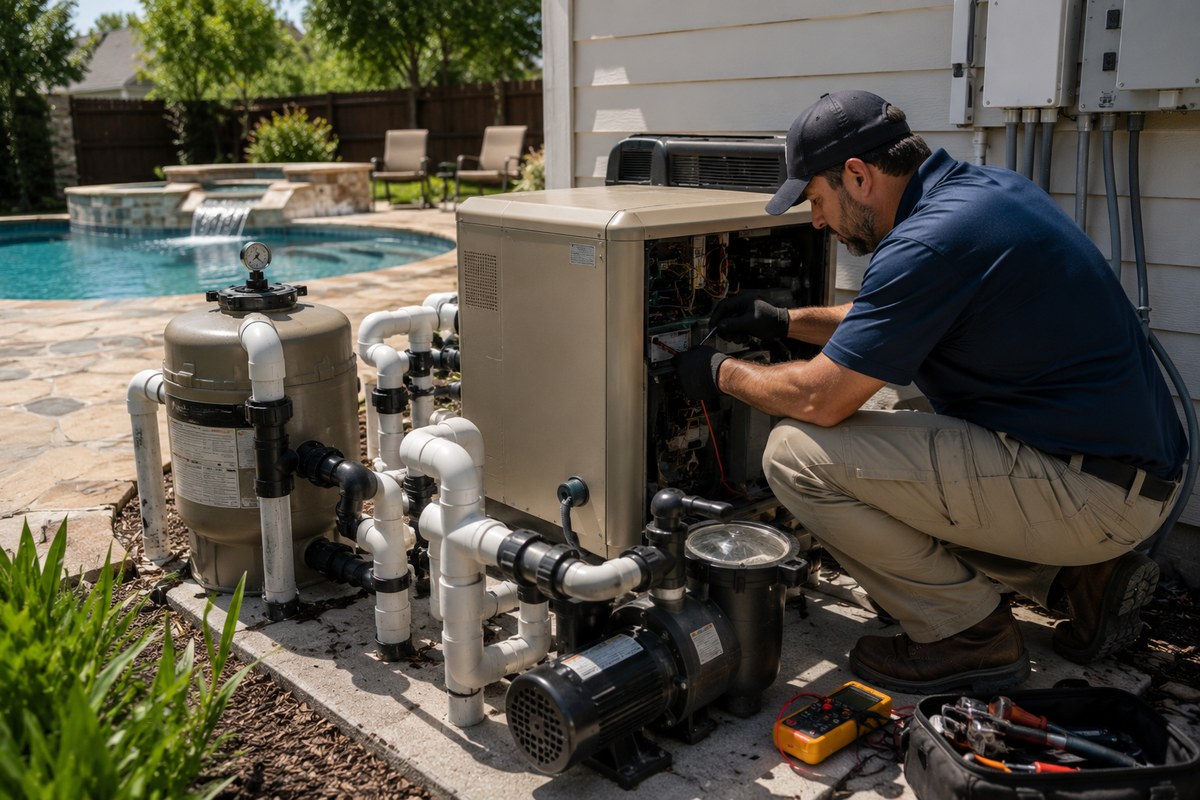
Before ordering a T-CELL-940 replacement, verify salt with an independent test, free chlorine, stabilizer, pH, water temperature, pump run time and speed, filter condition, and flow. Then inspect the cell cable and controller readings. CDC home pool testing guidance notes that sunlight and swimmers can reduce chlorine even when equipment is operating. Hayward’s troubleshooting path also checks pump operation, valves, debris, flow-switch wiring, the switch, and then the main PCB. An AquaRite salt cell replacement should not be the automatic answer to low chlorine.
TCell940 Replacement vs Control Board Repair
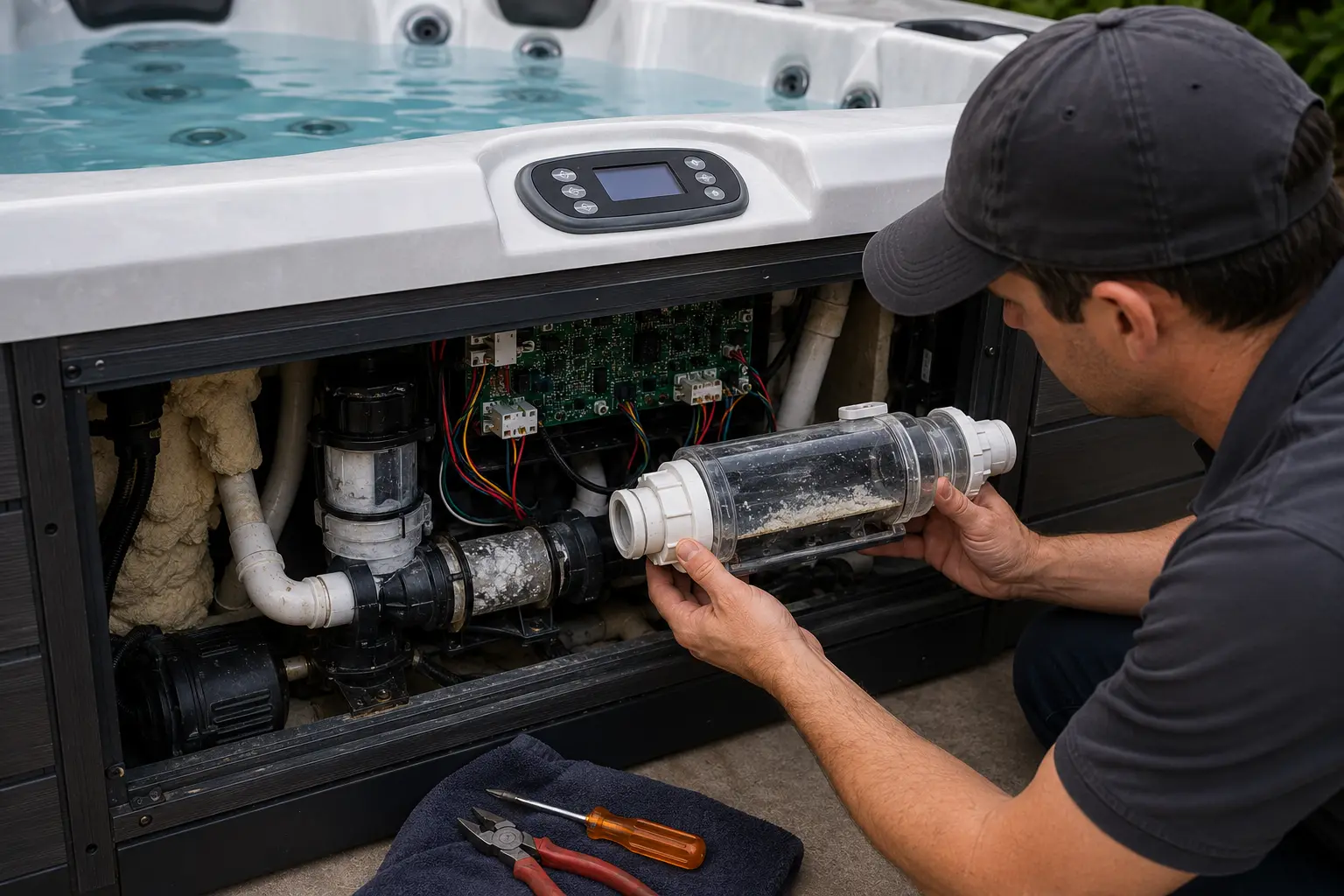
A useful Reddit discussion about a Hayward TCELL940 replacement shows why this gets confusing. One homeowner reported zero amps and zero salt on the display, yet saw bubbles when the cell was tested in pool water. The thread quickly shifted to the cell, controller, compatibility, sensors, and replacement cost. A bucket test does not prove the cell is healthy; one symptom rarely identifies the failed component. If flow is good and the cell is clean, still check configuration, connectors, wiring, the flow switch, and control-board behavior before choosing a Hayward TurboCell replacement. PoolBurg’s Hayward AquaRite Error Codes guide can help explain those readings.
Should You Replace a TCell940 With the Same Size?
The TCELL940 is rated for pools up to 40,000 gallons, but pool volume is only part of the decision. Texas heat, sun, swimmer load, run time, and chemistry affect chlorine demand. Downsizing may force a smaller cell to run harder and longer. A like-for-like TCell940 replacement is often the cleanest path when the controller is compatible and the original sizing was sensible. Before changing sizes, confirm pool gallons and system configuration. PoolBurg’s Salt Chlorine Generator Maintenance and Salt Cell Replacement Cost guides can help frame the choice.

People Also Ask
| Questions and Answers | Questions and Answers |
| How long does a TCell940 last? There is no single guaranteed year count. Run time, output percentage, chemistry, scale, cleaning frequency, and sizing all affect cell life, so performance after proper cleaning and testing matters more than age alone. | How do I know if my TCell940 is bad? Suspect the cell when salt, flow, temperature, chemistry, wiring, and configuration check out but chlorine output or cell readings stay abnormal after a proper inspection and cleaning. |
| Can a TCell940 be cleaned? Yes, when inspection shows calcium scale or fouling. Follow Hayward’s procedure and safety warnings rather than acid-cleaning simply because the cell is old. | What pool size is TCell940 rated for? Hayward rates the TCELL940 Extended Life TurboCell for residential pools up to 40,000 gallons. |
| Why is my AquaRite saying inspect cell? It can be a scheduled inspection reminder or a sign of reduced cell efficiency. Inspect the cell, check chemistry and readings, and clean only if needed. | Can low flow make a salt cell stop producing? Yes. AquaRite stops chlorination when the flow switch reports inadequate flow, so pump speed, valves, filter condition, baskets, and the flow switch deserve checking. |
| Should I replace the flow switch with the salt cell? Not automatically. Replace a flow switch only when diagnostics show it is faulty; a cell replacement does not require a new switch by default. | Does high calcium damage Hayward salt cells? High calcium can promote scale on the plates, reducing output and triggering more cleaning. Repeated heavy scaling and aggressive cleaning can shorten useful cell life. |
| Can a bad control board look like a dead salt cell? Yes. Power, sensing, connector, configuration, or main-board faults can mimic cell trouble, which is why the controller should be tested before the cell is condemned. |
Let PoolBurg Diagnose Before You Buy a TCell940 Replacement
If you are in Frisco, Plano, McKinney, Allen, Prosper, Southlake, Keller, Grapevine, or nearby DFW, PoolBurg can test chemistry, the salt cell, flow, and controller as one system. The goal is not to sell a TCell940 replacement because an “Inspect Cell” light appeared. It is to find the actual failure, save what can be saved, and recommend replacement only when the evidence points there. Share the system model, recent water readings, and any error lights through Contact PoolBurg.