If you own a pool in Frisco, Plano, McKinney, Allen, Prosper, or anywhere across DFW, you already know the water has a personality. One day it is sparkling. The next day a thunderstorm, a kid-heavy weekend, and 101-degree heat turn it slightly dull, a little funky, and very dramatic. That is usually when homeowners start asking how to shock your pool without making the water worse.
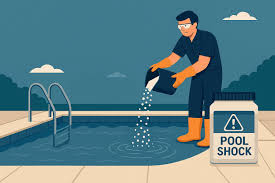
Here is the plain-English version: pool shock is not magic powder. It is a stronger dose of sanitizer or oxidizer used to burn through contaminants, lift free chlorine, reduce chloramines, and help your filtration system catch up. The CDC’s home pool water treatment guidance keeps the focus where it belongs: proper sanitizer and pH levels. Shocking only works well when the rest of the water chemistry is not already fighting you.
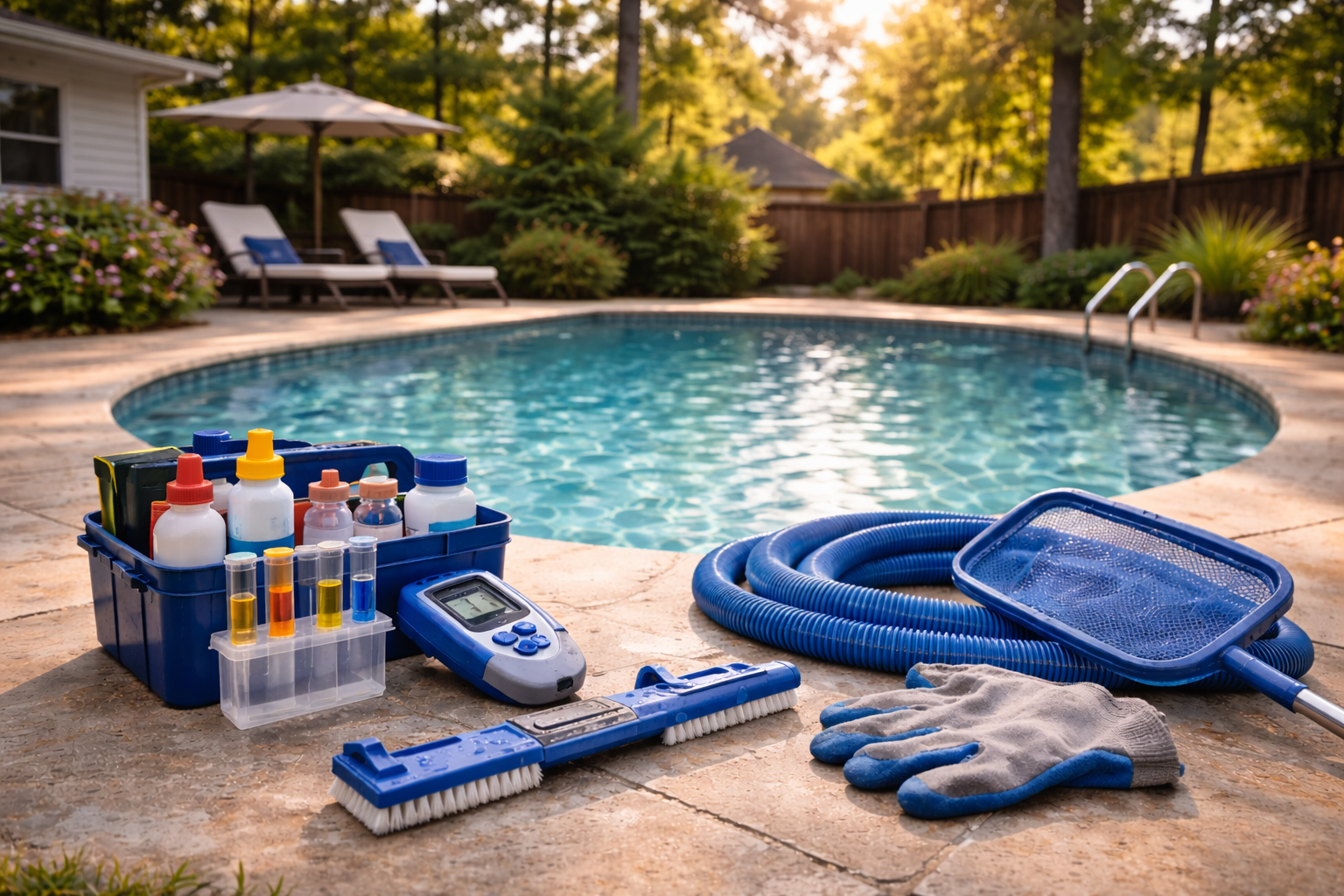
What Pool Shock Actually Does
When you shock your pool, you are temporarily raising the oxidizing strength of the water so it can break down sweat, sunscreen, body oils, algae spores, leaves, pollen, and the stubborn combined chlorine that creates that “hotel indoor pool” smell. A strong chlorine odor does not usually mean the pool is extra clean; it often points to chloramines. PoolBurg explains this problem in more detail in Pool Smells Like Chlorine, because that smell is one of the most misunderstood clues in pool care.
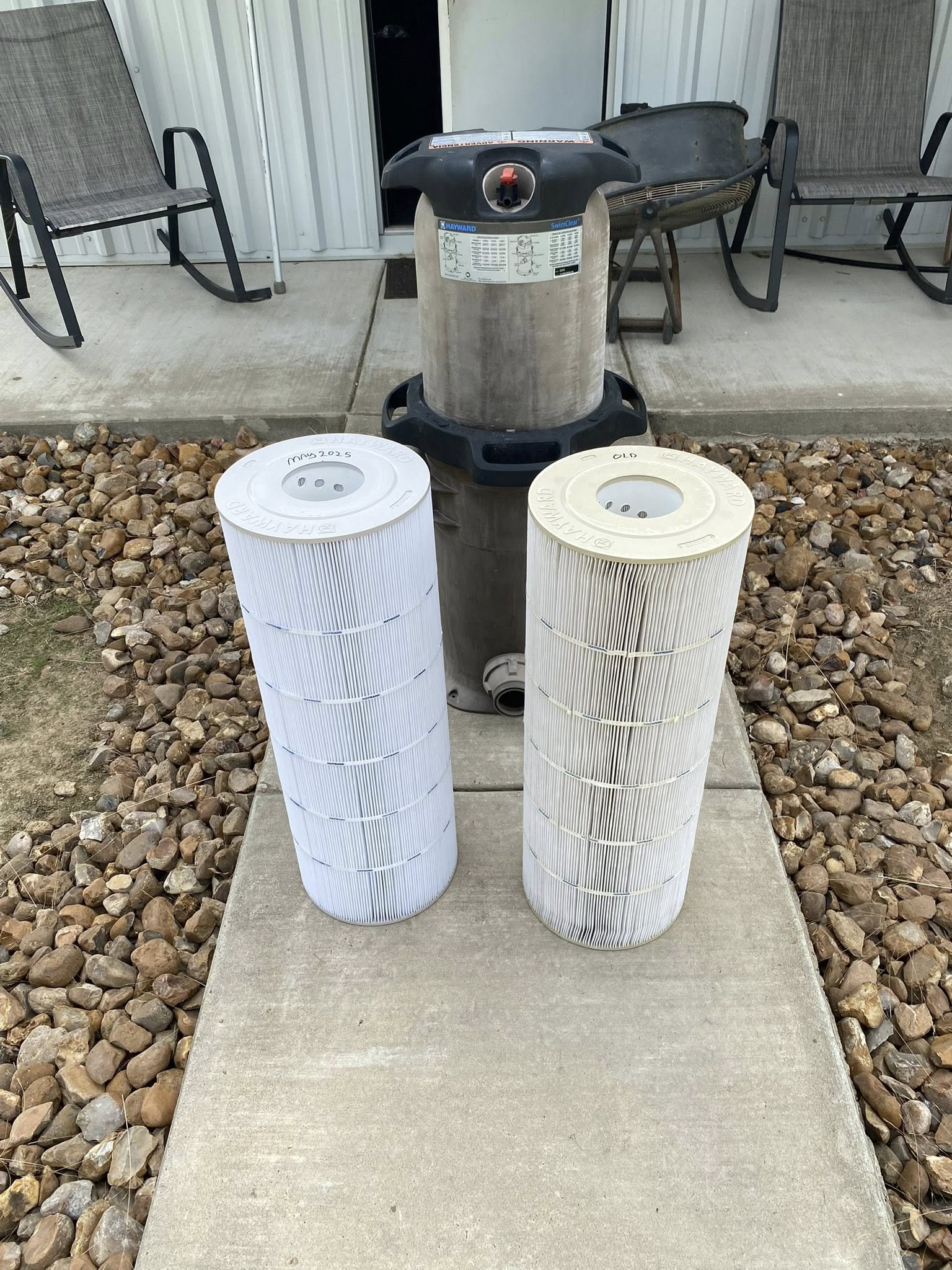
Think of pool shock as the reset button after your pool has been stressed. It helps, but it does not replace brushing, circulation, skimming, filter cleaning, or weekly testing. If the pump is weak or the filter is packed with debris, even the best pool shock is basically yelling into a pillow.
When Should You Shock Your Pool in North Texas?
You do not need to shock your pool just because a calendar app says it is Sunday. In DFW, timing matters more than habit. You should consider shocking when the pool has a real reason to need it:
- After a heavy swim weekend with lots of sunscreen, sweat, and splash-happy chaos.
- After a major rainstorm, especially when wind has dumped leaves, pollen, soil, and roof runoff into the water.
- When the water turns dull, hazy, or slightly green even after normal chlorination.
- When combined chlorine is elevated or the pool has that sharp chemical smell.
- After an algae treatment, once brushing and circulation have started doing their part.
- Before leaving town, if testing shows the pool needs a controlled sanitizer boost first.
For homeowners who would rather not play backyard chemist every week, PoolBurg’s Weekly Pool Service is built around testing, balancing, cleaning, and catching small water issues before they turn into a Saturday-morning swamp situation.
Liquid Chlorine Pool Shock vs. Granular Shock
There is no single “best” pool shock for every pool. The right choice depends on your cyanuric acid level, calcium hardness, surface type, current chlorine level, and how quickly you need the water to recover. This is where North Texas water gets a little spicy.
| Shock Type | Best For | Watch-Out | North Texas Take |
| Liquid chlorine pool shock | Fast oxidation without adding calcium or stabilizer | Higher pH; needs careful handling and fresh product | Often a smart choice when calcium and CYA are already high. |
| Calcium hypochlorite | Strong chlorine boost and algae cleanup | Adds calcium hardness | Useful, but not always ideal in hard-water pools. |
| Dichlor / stabilized granular shock | Quick-dissolving chlorine with stabilizer | Adds cyanuric acid | Can become a problem if CYA is already climbing. |
| Non-chlorine shock | Oxidizing organics without raising chlorine much | Does not kill algae the same way chlorine does | Helpful in specific cases, not a cure-all. |
For example, many liquid chlorine pool products are unstabilized, meaning they do not add cyanuric acid or calcium; HASA describes that advantage here. Industry educators at Orenda also separate stabilized and non-stabilized chlorine types, which is useful context when deciding how to shock your pool without stacking up side effects.
How to Shock Your Pool Without Creating a Bigger Problem
This is the part where a lot of DIY pool owners go sideways. They see cloudy water, panic, pour in whatever is in the garage, and then wonder why the pool still looks weird the next morning. Slow down. Do it cleanly.
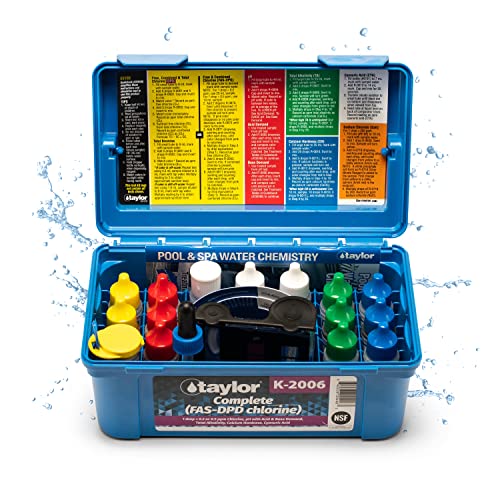
- Test first. Check free chlorine, combined chlorine, pH, alkalinity, stabilizer, and calcium hardness before adding anything.
- Balance pH before shocking. Chlorine works better when pH is in range, and swimmers are more comfortable too.
- Brush the pool. Algae and film need to be physically disturbed so the sanitizer can reach them.
- Shock at dusk or after sunset. Texas sun can chew through chlorine fast, especially in uncovered pools.
- Run the pump. Circulation helps spread the treatment evenly and push debris toward the filter.
- Retest before swimming. Do not guess. Make sure chlorine and pH are back in a safe range.
Need a quick place to think through chemistry? PoolBurg’s Water Chemistry Calculator can help homeowners stop guessing and start making decisions with actual numbers.
“Pool shock is not a substitute for circulation, filtration, or routine brushing; it is the reset button after the pool has been stressed.”
Why DFW Hard Water Changes the Decision
North Texas pools do not live in a lab. They live under brutal sun, clay dust, storm debris, and mineral-heavy water. PoolBurg’s guide to Hard Water and Swimming Pools explains why calcium can build quickly here. That matters because some types of pool shock add calcium, while others add stabilizer. If your calcium hardness or CYA is already high, “just add more shock” may be the exact wrong move.
This is why pros test the whole picture before choosing a product. The goal is not simply to shock your pool. The goal is to restore clarity without creating scale, cloudy water, rough surfaces, irritated eyes, or a chemistry problem that follows you all summer.
Can You Shock Your Pool Too Much?
Yes, absolutely. More is not always better. Too much pool shock can leave chlorine levels too high for swimming, fade swimsuits, irritate skin and eyes, stress equipment, and waste money. The CDC’s safe swimming guidance recommends checking disinfectant and pH because both affect comfort and safety. If your pool keeps needing repeated shock, something else is probably wrong: poor circulation, a dirty filter, high phosphates, low stabilizer, high stabilizer, heavy algae load, or an equipment issue.
The PoolBurg Way: Fix the Cause, Not Just the Color
At PoolBurg, the goal is not to dump chemicals and hope for the best. A clear pool comes from rhythm: test, balance, brush, skim, inspect, circulate, and document. That is why our Weekly Service focuses on consistent care and preventative checks. Shock has a place, but it should be used with purpose.If your pool keeps turning cloudy, smells harsh, grows algae after storms, or needs shock every few days just to behave, it is time to stop guessing. Contact Us and let PoolBurg help get the water back to safe, blue, and boring—in the best possible way.
People Also Ask
How often should you shock your pool in Texas?
Most residential pools only need shock when testing or pool conditions show a reason: heavy use, storms, algae, chloramine odor, or low sanitizer recovery. In peak DFW heat, some pools need it more often, but testing should decide.
How do I know if my pool needs shock?
Dull water, algae, strong chlorine smell, high combined chlorine, or a sudden drop in free chlorine are common signs. Always test first so you are not treating the wrong problem.
Is liquid chlorine pool shock better than granular shock?
Liquid chlorine pool shock can be better when you want to avoid adding calcium or cyanuric acid. Granular shock can still be useful, but the right choice depends on your pool’s current chemistry.
Can I swim after I shock my pool?
Not immediately. Wait until the product label’s time has passed and testing confirms free chlorine and pH are back in a safe swimming range.
Should I shock my pool after rain?
Often, yes—especially after heavy rain with wind, runoff, leaves, or visible cloudiness. A light sprinkle does not always require shock, but a Texas thunderstorm can absolutely push the water out of balance.
What is the best time of day to shock your pool?
Evening is usually best because sunlight burns off chlorine. Shocking after sunset gives the treatment more time to work before the next day’s UV exposure.
Can too much pool shock make water cloudy?
Yes. Overdosing certain products, especially in already hard water, can contribute to cloudiness or scaling. That is another reason testing matters before adding more chemicals.