How to backwash pool filter without turning your equipment pad into a tiny water park? Good question. If your pressure gauge is climbing, your returns feel weak, or your once-blue water has started doing that dull, hazy Texas thing, your filter may be begging for a reset.
For a lot of North Texas homeowners, backwashing sounds more complicated than it is. The valves look serious. The plumbing looks like it was designed by a caffeinated octopus. But once you understand the rhythm – pump off, valve to backwash, pump on, rinse, reset – it becomes one of the most useful maintenance habits you can learn.
That said, backwashing is not for every filter. And it is definitely not something to do randomly every weekend just because you feel productive. If you want to understand what is happening at the equipment pad, here is the clean, safe version.
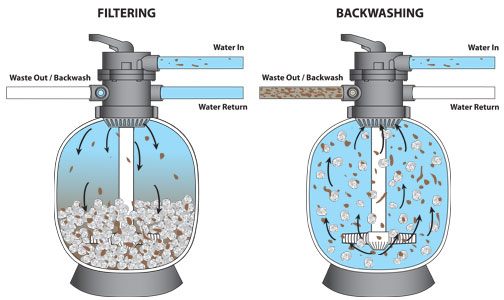
| Quick definition Backwashing is simply reversing the water flow through a sand or DE filter so trapped dirt, pollen, oils, and fine debris are pushed out through the waste line instead of staying packed inside the filter. |

First: Do You Actually Have a Backwashable Filter?
Before you touch the multiport valve, identify your filter type. This one detail saves a lot of headache.
| Filter type | Do you backwash it? | What to know |
| Sand filter | Yes | Most common for backwashing. Watch pressure and sight glass. |
| DE filter | Yes, usually | Backwash, then recharge with the correct amount of DE powder. |
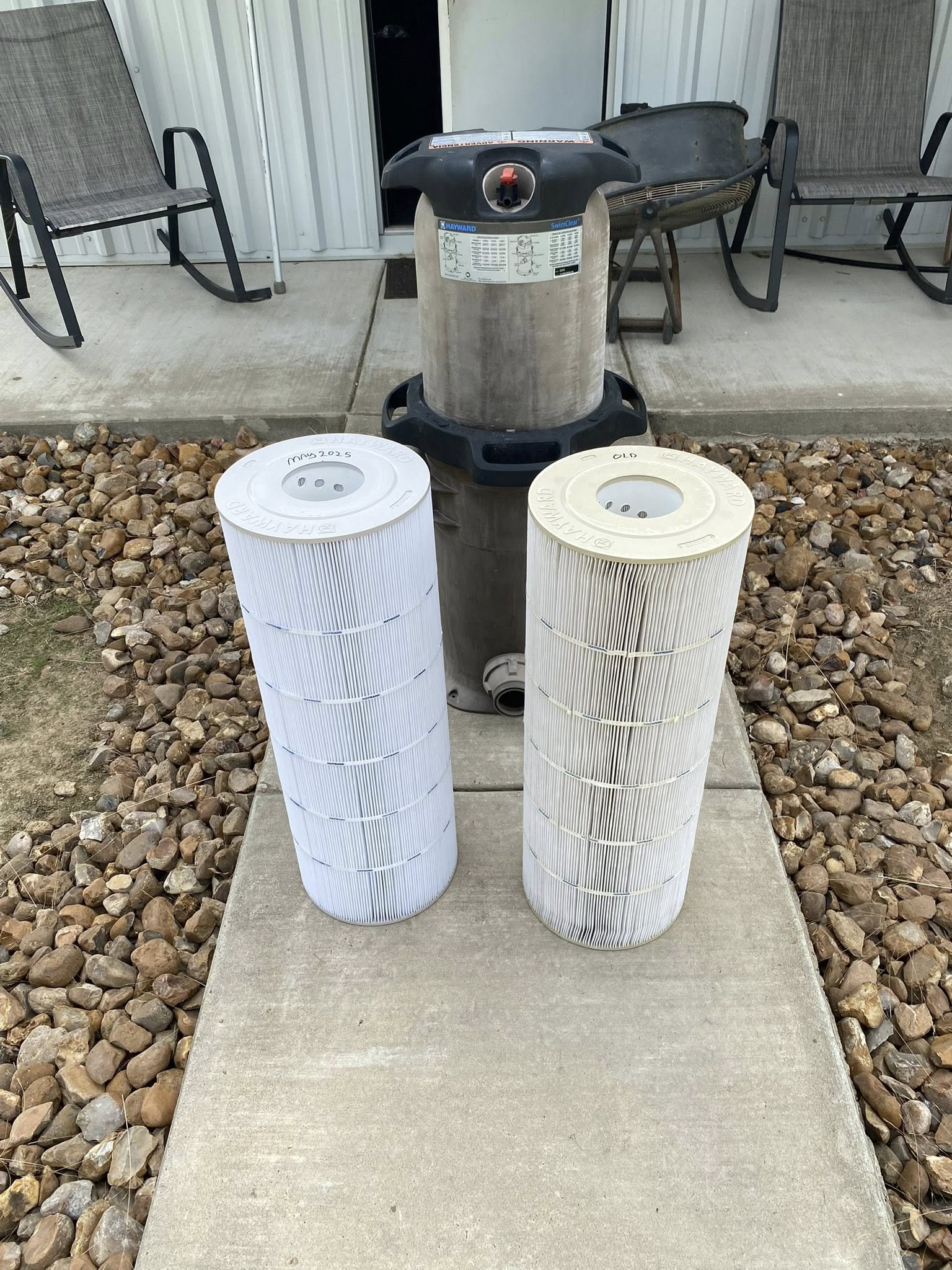
| Cartridge filter | No | Turn system off, open tank, remove cartridges, and clean them manually. |
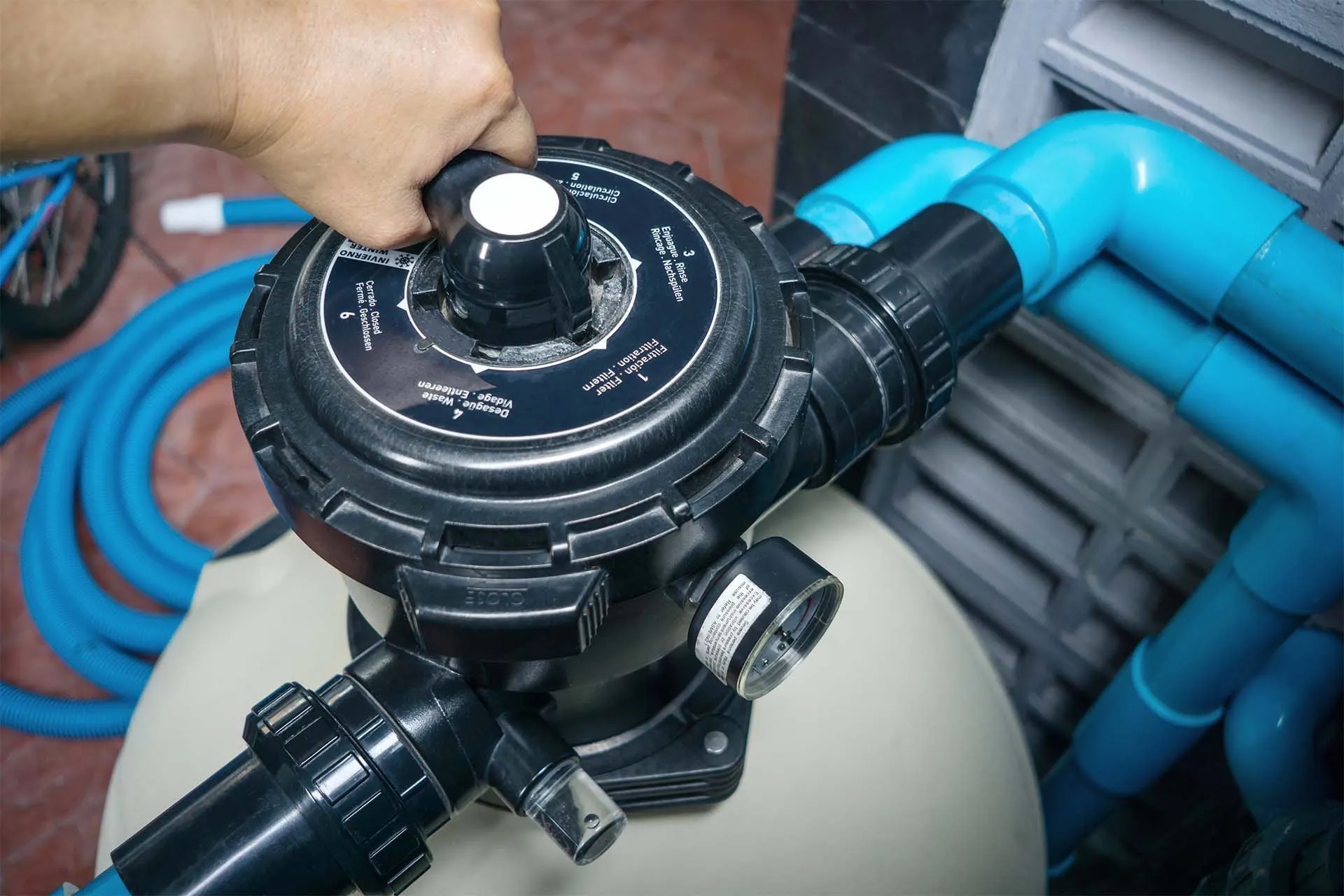
Not sure what you have? Look for the label on the filter tank, or check the valve. Sand and DE filters often have a multiport valve with settings like Filter, Backwash, Rinse, Waste, Recirculate, and Closed. Cartridge systems usually do not have a backwash setting. If your filter sand is old, channeling, or sending sand back to the pool, read PoolBurg’s Pool Sand Replacement guide before assuming backwashing will fix everything.
When Should You Backwash a Pool Filter?
The best trigger is pressure, not vibes. After a clean filter cycle, note the normal starting pressure on the gauge. When the pressure rises about 8 to 10 PSI above that clean reading, it is usually time to backwash. Some manufacturer manuals use a similar pressure-rise range, so your specific filter label or manual always wins.
In DFW, filters can load up fast because we get dust, oak pollen, cedar pollen, cottonwood fluff, wind-blown leaves, sunscreen, and the occasional “why is there mulch in the pool?” moment. Pools in Frisco, Plano, McKinney, Prosper, Allen, Little Elm, Dallas, and Fort Worth may need more filter attention during spring pollen season and after storms.
A good cleaning schedule also protects your pump. If the filter is packed, the pump has to work against extra resistance. The U.S. Department of Energy notes that lowering hydraulic resistance can reduce pool pump electricity use, which is one reason clean, properly sized filtration matters. If your pump is struggling or silent, PoolBurg’s Pool Pump Won’t Turn On guide is a smart next read.
How to Backwash Pool Filter in 12 Safe Steps
- Turn off the pump. Never move a multiport valve while the pump is running. That is the shortcut to broken seals and an expensive mood swing.
- Roll out the backwash hose or confirm the waste line is open. Make sure water is routed somewhere allowed by your local rules, not straight into a place that causes erosion, staining, or stormwater trouble.
- Press down and rotate the valve to Backwash. Move the handle firmly, but do not force it like you are opening a pickle jar from 1998.
- Turn the pump back on. Watch the waste water or sight glass. It will usually start dirty, cloudy, or brownish.
- Run backwash until the water clears. For many residential sand filters, that may take about 2 to 3 minutes, but dirty systems can need longer.
- Turn the pump off again. Yes, every valve change gets a pump-off moment. This habit saves equipment.
- Set the valve to Rinse. Rinse settles the sand bed and flushes leftover dirty water out of the valve before you return to normal filtering.
- Turn the pump on for 20 to 60 seconds. Stop when the sight glass looks clear.
- Turn the pump off, then set the valve back to Filter. Make sure the handle locks fully into place.
- Turn the pump on and check pressure. Your gauge should drop closer to the clean starting pressure.
- Check the pool returns and equipment pad. Look for strong flow, no leaks, and no odd grinding, rattling, or air bubbles.
- For DE filters, recharge the grids. Add the correct amount of DE powder through the skimmer according to your filter size. Skipping this can damage the grids and reduce filtration.
A Quick North Texas Backwash Water Note
Backwash water is not just “extra pool water.” It can contain chlorine, salt, dirt, algae, DE powder, and other stuff your filter just removed. Local rules vary across North Texas, so check your city before discharging to a street, alley, storm drain, or creek. Frisco publishes resident guidance for pool discharge, and Mansfield explains why pool and spa water can harm creeks and lakes when drained incorrectly.
In plain English: do not let convenience create a drainage problem. If you are unsure, call the city or ask PoolBurg during your next Services visit.
Common Backwashing Mistakes That Make Pool Water Worse
- Backwashing too often. A slightly dirty sand filter can actually filter better than a freshly cleaned one. If pressure has not risen, leave it alone.
- Skipping rinse mode. This can send cloudy water right back into the pool after a backwash.
- Ignoring DE recharge. DE filters need fresh DE powder after backwashing. No powder means poor filtration and possible equipment damage.
- Backwashing a cartridge filter. Cartridge filters are cleaned by removing and rinsing the cartridges, not by using a backwash valve.
- Using backwashing to solve chemistry problems. If algae, phosphates, or low chlorine are the real issue, backwashing alone will not save the day.
This is where a professional eye helps. A cloudy pool might be a dirty filter. It might also be high pH, dead algae, old sand, a weak pump, a cracked lateral, or a chemical imbalance. PoolBurg’s Pool Chemical Safety and Pool Repairs resources are helpful if your water keeps acting weird even after the filter is cleaned.
When to Call PoolBurg Instead of Backwashing Again
Call a pro if the pressure rises again within a day, the gauge does not move at all, water stays cloudy after proper chemistry, sand appears near the return jets, the valve leaks to waste while in Filter mode, or the pump loses prime after backwashing. Those are clues, not coincidences.PoolBurg works with homeowners across Frisco and the wider North Texas service area. If you want the filter checked, the equipment inspected, or the whole pool put on a reliable schedule, start with Weekly Service or send a quick message through Contact Us.
FAQs About How to Backwash Pool Filter
How long should I backwash my pool filter?
Usually until the sight glass or waste water runs clear. Many residential filters take about 2 to 3 minutes, followed by a short rinse cycle.
How often should I backwash a pool filter in DFW?
Use pressure as your guide. Backwash when the gauge is roughly 8 to 10 PSI above clean starting pressure. During pollen season, storms, or heavy use, that may happen more often.
Do I have to rinse after backwashing?
Yes. Rinse mode helps settle the filter bed and keeps leftover dirty water from shooting back into the pool when you return to Filter mode.
Can I backwash too much?
Absolutely. Over-backwashing wastes water and can reduce sand filter efficiency. A little dirt in the sand bed can help trap smaller particles.
Why is my pool still cloudy after backwashing?
The issue may be chemistry, algae, old filter media, a failing pump, poor circulation, or undersized equipment. If it keeps happening, schedule a PoolBurg equipment and water check.
Final Takeaway
Learning how to backwash pool filter is one of those small maintenance skills that makes pool ownership feel less mysterious. Keep the pump off when changing valve positions, use pressure as your signal, rinse before going back to filter, and respect your local drainage rules.And if you would rather not think about pressure gauges, DE powder, sight glasses, or whether that hiss near the pump is normal, PoolBurg can handle it. Book service through Contact Us and let a local technician keep the water blue, the filter breathing, and your Saturdays gloriously boring.