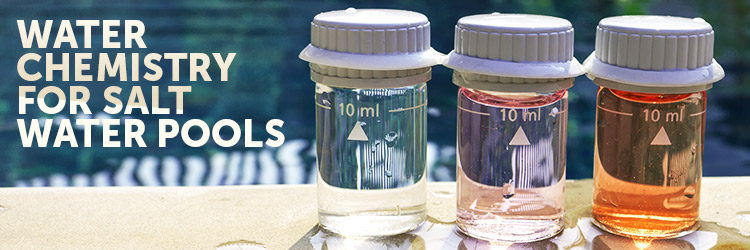
Salt water pool chemicals needed sounds like a short list, right? Toss in salt, let the system do its thing, and enjoy clear water. That is the version many Texas homeowners hear when they first switch to salt. The real version is still pretty manageable, but it is not chemical-free. A salt system makes chlorine from salt, which means your pool still needs testing, balance, and a few supporting chemicals to keep the water clean, comfortable, and easy on the equipment.
Around Frisco, Plano, Allen, McKinney, and the rest of DFW, salt pools also deal with heat, hard water, evaporation, storms, and long swim seasons. That combination makes salt water pool chemistry a little more hands-on than people expect.
Do Salt Water Pools Still Need Chemicals?
Yes. A salt water pool still needs chemicals because the salt chlorine generator is creating chlorine, not replacing chlorine. The CDC home pool water treatment guidance explains that chlorine and pH both matter for killing germs and keeping swimmers comfortable. Salt simply changes how the chlorine gets into the pool.
So when someone says salt pools are “chemical-free,” that is more marketing than maintenance reality. They may feel softer and smell less harsh when cared for properly, but they still need salt pool chemicals for sanitation, pH control, surface protection, and scale prevention.
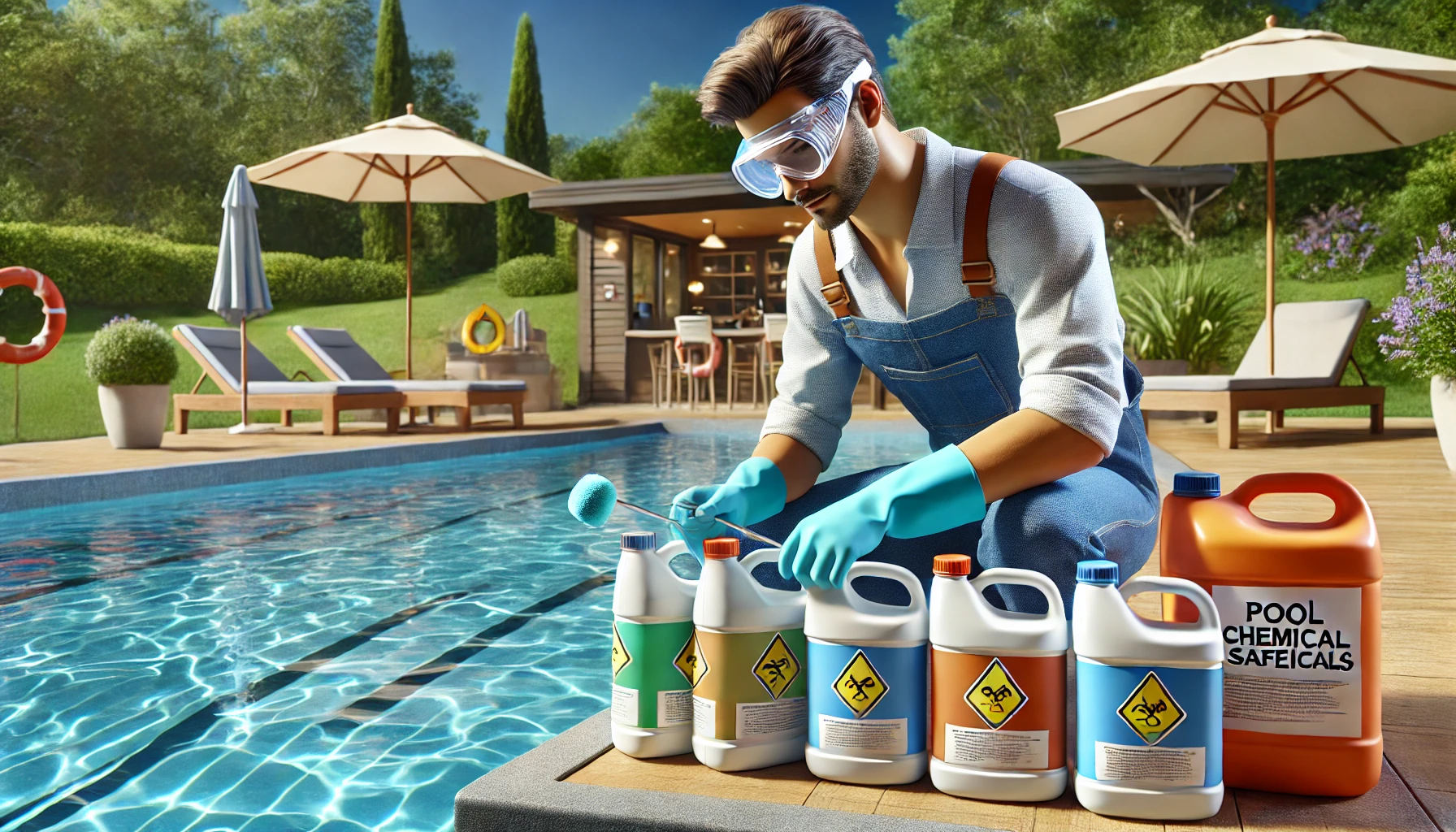
The Main Salt Water Pool Chemicals Needed
The main salt water pool chemicals needed usually include pool salt, chlorine shock, pH reducer, alkalinity increaser, calcium hardness increaser, stabilizer, and sometimes scale inhibitor. Pool salt feeds the generator. Chlorine shock helps when the pool gets behind after storms, heavy use, or algae pressure. pH reducer, often muriatic acid, helps bring high pH back down.
Alkalinity increaser helps stabilize pH. Calcium hardness increaser protects plaster and equipment when calcium is too low. Stabilizer, also called cyanuric acid, helps protect chlorine from sunlight. Scale inhibitor can be useful in DFW because hard water and high pH can leave calcium scale on tile, heaters, and salt cells. PoolBurg covers this issue more deeply in our salt cell scale buildup guide.
What Levels Should a Salt Water Pool Have?
Every system has its own preferred salt range, so the equipment manual wins. As a general example, the Hayward chemistry quick start guide lists a recommended salt level of 2,700 to 3,400 ppm, with 3,200 ppm as ideal for that system. Pentair also gives manufacturer-specific chemistry ranges for salt chlorine generators in its salt water pool chemistry conditions.
For most residential salt pools, homeowners are often watching pH, free chlorine, alkalinity, cyanuric acid, calcium hardness, and salt level. The CDC pool safety guidance notes that pH should typically stay between 7.0 and 7.8, and chlorine should follow product and system instructions. PoolBurg can help homeowners compare those general ranges against the actual salt system, pool surface, and DFW water conditions.
Salt Water Pool Chemical Balance Quick Guide
| Item | Why It Matters | Typical Goal |
| Salt | Feeds the chlorine generator | Follow system manual, often around 2,700-3,400 ppm |
| pH | Controls comfort, chlorine performance, and scaling | Often 7.0-7.8 |
| Free chlorine | Sanitizes the pool | Follow label/system guidance |
| Alkalinity | Helps stabilize pH | Commonly around 80-120 ppm |
| Cyanuric acid | Protects chlorine from sunlight | Depends on system and chlorine target |
| Calcium hardness | Protects surfaces and limits scale risk | Depends on pool surface and local water |
Why Salt Pools Often Have High pH
Salt chlorine generators commonly push pH upward over time, and Texas conditions can make that drift more obvious. Warm water, aeration from water features, heavy use, and hard fill water can all add to the problem. If pH stays high, the salt water pool chemical balance gets messy fast: chlorine works less efficiently, scale forms more easily, and the cell may need cleaning more often. PoolBurg explains this local issue further in our guide to saltwater pool pH problems.
How Often Should Salt Pool Chemicals Be Checked?
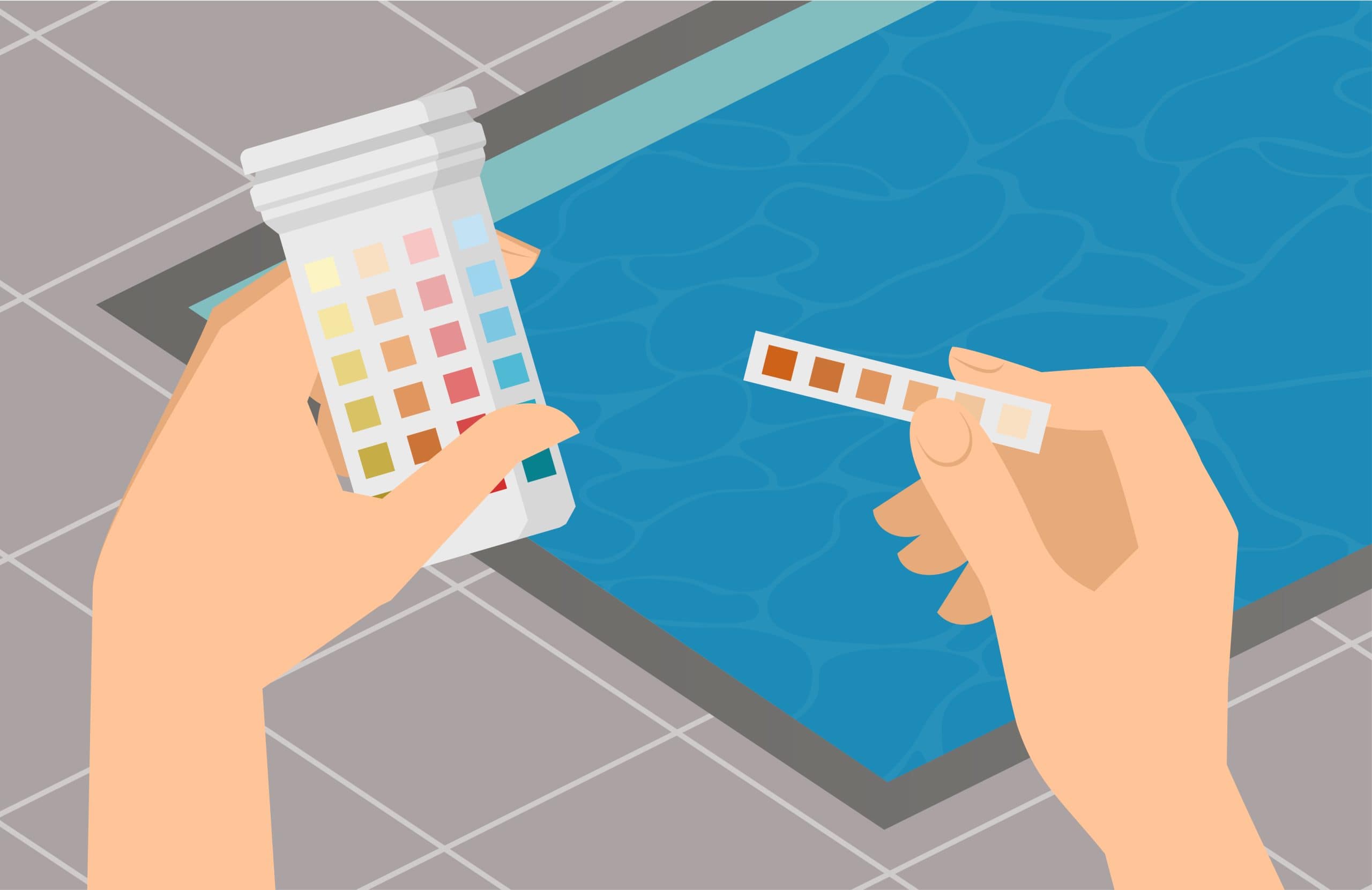
For a normal backyard pool, weekly testing is the safest rhythm. After a big storm, a heavy swim weekend, or a sudden cloudy-water problem, test sooner. Salt level does not need to be adjusted every week, but pH and chlorine can change quickly. The CDC pool chemical safety page also reminds pool owners to handle and store pool chemicals carefully, because chemistry is helpful only when used safely.
PoolBurg’s weekly pool service includes water testing, chemical balancing, equipment checks, and salt cell attention when needed, which is especially helpful when the pool keeps drifting high on pH or flashing salt system alerts.
Salt Water Pool Chemical Mistakes to Avoid
The biggest mistake is treating a salt pool like it runs itself. The second is adding salt every time the system flashes a warning without testing first. Too much salt usually means dilution, not a quick chemical fix. Another common mistake is forgetting stabilizer, which lets sunlight burn off chlorine faster. And then there is the quiet one: ignoring the salt cell until scale blocks chlorine production. The Pentair IntelliChlor user guide is a good reminder that salt systems are real equipment, not magic boxes.
If your salt pool is cloudy, harsh-feeling, or constantly asking for attention, the answer is rarely “dump more chemicals in.” It is usually about finding which part of the salt water pool chemistry is out of line.

People Also Ask
What chemicals do I need for a salt water pool?
The salt water pool chemicals needed usually include pool salt, chlorine shock when needed, pH reducer, alkalinity increaser, calcium hardness balancer, stabilizer, and scale protection depending on your water.
Do salt water pools still need chlorine?
Yes. A salt system makes chlorine from salt. You may not add chlorine tablets every week, but the pool is still sanitized by chlorine.
How often do salt water pools need chemicals?
Most salt pools should be tested weekly. Chemicals may not need to be added every visit, but pH, chlorine, alkalinity, and salt system performance should be watched regularly.
What causes high pH in a salt pool?
Salt chlorine generation, aeration, warm water, hard fill water, and normal pool use can all contribute to rising pH. In North Texas, hard water makes this especially important.
Is a salt water pool easier to maintain?
It can be easier for some homeowners, but it is not maintenance-free. You still need salt water pool chemical balance, regular testing, pH control, and salt cell care.
PoolBurg Helps Keep Salt Pool Chemistry Stable
Salt pools are great when the water is balanced and the salt cell is doing its job. They are frustrating when the chemistry turns into guesswork. PoolBurg helps salt pool owners in Frisco, Plano, Allen, McKinney, and nearby DFW cities keep chemistry stable without overcorrecting, overspending, or ignoring small warning signs.
Need help figuring out the salt water pool chemicals needed for your actual pool? Contact PoolBurg and we can test the water, inspect the salt cell, and build a care plan that fits North Texas conditions.