Pool pump trips breaker problems should never be treated like a normal little hiccup. If the breaker shuts off once, maybe it caught a short surge. If your pool pump breaker keeps tripping again and again, something is wrong, and the breaker is doing its job by stopping power before the problem gets worse. In a Texas summer, that gets stressful fast because a dead pump can turn clear water cloudy or green in a hurry. But before you keep resetting it, slow down. Water, electricity, and pool equipment are not the place to gamble.
What It Means When a Pool Pump Trips the Breaker
A standard breaker usually trips because the circuit is pulling too much current. A GFCI trip is different. A GFCI is designed to react when current is leaking somewhere it should not, which can point to a possible shock hazard around wet areas. Pentair warns in its SuperFlo pump manual that if a GFCI interrupts power without the test button being pushed, ground current may be flowing and the pump should not be used until the problem is corrected by a qualified service representative.
That is why a breaker trip is a warning, not the root cause. The real issue could be inside the motor, inside the timer, at the breaker, in the wiring, or even caused by water intrusion from a nearby leak.
The Most Common Reasons a Pool Pump Trips Power
The common causes usually fall into four buckets. First, the motor may be mechanically stuck. Seized bearings, a locked shaft, or a jammed impeller can make the motor work too hard at startup. Second, the pump may have a failed capacitor, damaged winding, loose connection, or internal short. Nidec’s pool motor troubleshooting guide reminds technicians to shut off all power before troubleshooting capacitors because they can store electrical energy.
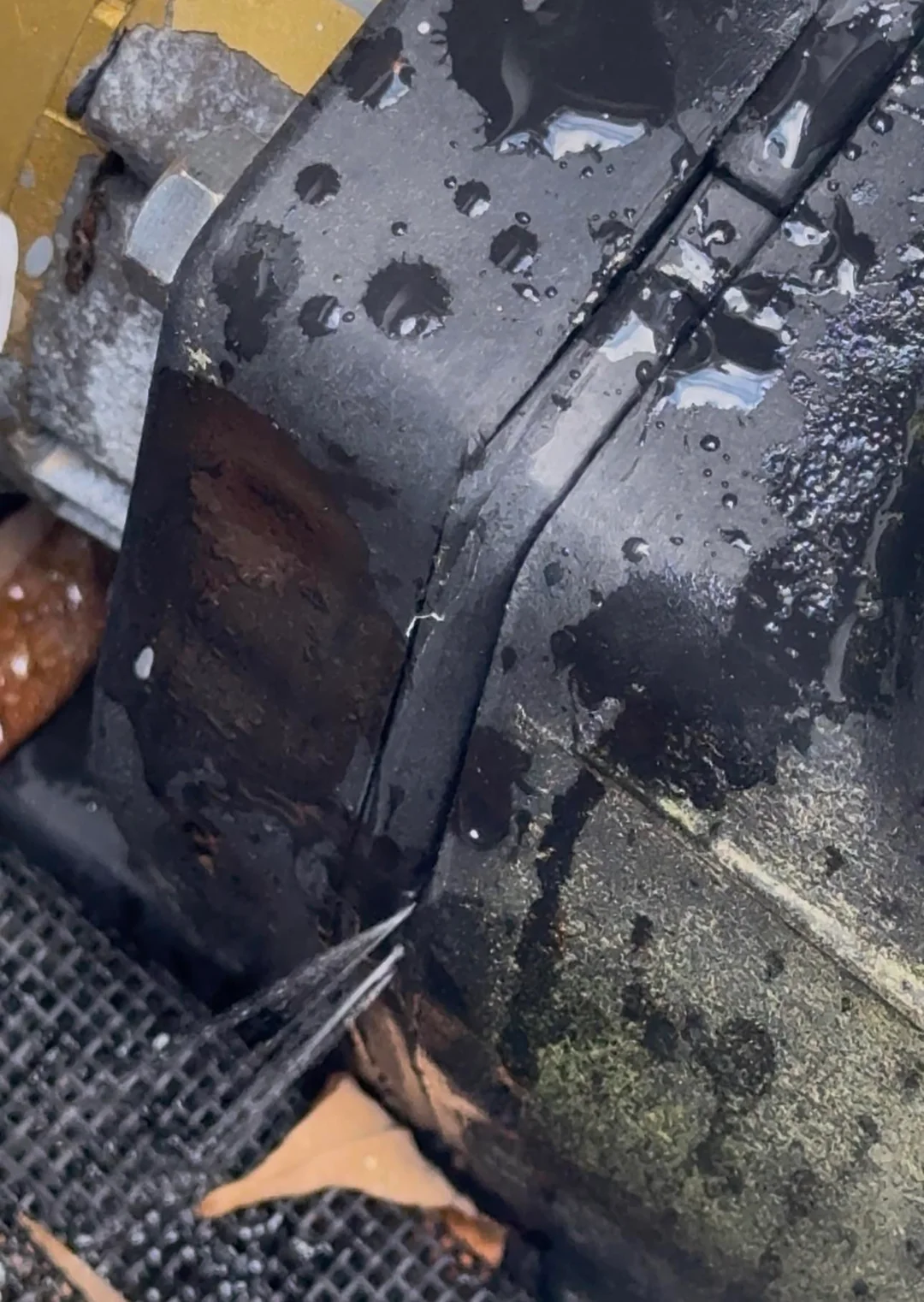
Third, water may be getting into places it should not. A shaft seal leak, wet conduit, or moisture inside the motor can create a serious pool pump electrical problem. Fourth, Texas heat can push weak equipment over the edge. Long run times, poor airflow around the motor, restricted flow, clogged baskets, and dirty filters can all add heat and load.
What Homeowners Should Check Before Resetting It Again
Before touching anything, look and listen from a safe distance. Do you smell burning? Is the equipment pad wet? Does the motor hum loudly before the trip? Does the shaft seem locked? Is there rust, dripping water, or a hot motor casing? If yes, stop resetting the breaker and call for service.
Repeated resets can turn a smaller repair into a motor replacement. A bad capacitor may be one issue. A locked motor that keeps trying to start can become a burned-out motor. A GFCI that keeps tripping may be warning you about current leakage, and ESFI specifically recommends GFCI protection and proper grounding around pools and spas to help prevent shock injuries.
When This Is a Motor Problem and When It Is a Wiring Problem
If the pump hums, strains, overheats, or trips right as it tries to start, the fault may be pump-side: capacitor, bearings, impeller, motor winding, or water intrusion. PoolBurg’s pool pump capacitor symptoms guide and pool pump motor not starting guide both go deeper into those two common failure paths.
If the pump is completely silent, trips randomly, or behaves differently through a timer or automation system, the issue may be breaker-side or wiring-side. Hayward’s Super Pump manual says GFCI tripping indicates an electrical problem and advises consulting an electrician if it trips and will not reset.
Repair or Replace
Repair makes sense when the pump is newer, the housing is good, and the issue is targeted, like a capacitor, seal, connection, or timer problem. Replacement makes more sense when the motor is old, noisy, rusted, repeatedly overheating, or already close to failure. PoolBurg’s faulty pool pump signs, pool pump repair cost, and average lifespan of a pool pump articles can help homeowners think through that decision before spending money in the wrong direction.
What PoolBurg Checks On a DFW Breaker Trip Call
PoolBurg starts with safety first. We check for visible leaks, burn marks, heat, noise, corrosion, water around the pad, and how the pump behaves at startup. Then we look at the practical repair path: motor issue, capacitor issue, seal leak, clogged equipment, timer or automation problem, or wiring concern that needs a licensed electrical professional. In Texas, TDLR notes that certain pool-related electrical devices and work fall under licensed scope rules, including GFCIs, pumps, motors, heaters, automation systems, and related equipment.
That matters across Frisco, Plano, McKinney, Allen, The Colony, Lewisville, Southlake, Grapevine, Las Colinas, Farmers Branch, Carrollton, Addison, Keller, Garland, Mesquite, Wylie, and Prosper, where exposed equipment pads take a beating from heat, storms, sun, and long pump run times.

People Also Ask
Why does my pool pump keep tripping the breaker?
It may be drawing too much current because of a bad capacitor, seized motor, clogged impeller, overheating, water intrusion, damaged wiring, or a failing breaker.
Can a bad capacitor trip a pool pump breaker?
Yes. A failed capacitor can keep the motor from starting correctly, which may cause humming, overheating, or a trip during startup.
Will a seized pool pump motor trip the breaker?
It can. If the shaft or bearings are locked, the motor may draw heavy current while trying to start.
Is it safe to keep resetting the breaker?
No. One reset may be harmless, but repeated trips mean the system is warning you. Stop and get the pump inspected.
Do I need a pool electrician or a pool repair company?
Start with a qualified pool repair diagnosis if the issue may be the pump, capacitor, seal, or motor. If the problem is wiring, breaker, panel, or code-related, a licensed electrical professional may be needed.
PoolBurg Can Diagnose The Trip Before It Gets Expensive
If your pool pump trips breaker power again, do not keep playing reset roulette. PoolBurg can inspect the motor, timer, capacitor, leak points, heat load, and automation before the next reset turns a repair into a full motor replacement. Contact PoolBurg and let us find the real cause before your pool loses circulation in the middle of Texas heat.