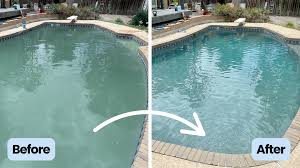
Saltwater pool cloudy water can feel confusing because the pool is supposed to be the “easy” kind, right? You have a salt system, the water feels softer, and the little box says it is generating. Then one morning the pool looks dull, milky, or hazy after a storm in Frisco, McKinney, Allen, Prosper, Keller, or Las Colinas. Annoying, yes. Mysterious, not really. A cloudy saltwater pool usually means chlorine demand, water balance, filtration, and salt cell performance are not keeping up at the same time.
Why saltwater pools still turn cloudy
The biggest myth is that a salt pool manages itself. It does not. A salt chlorine generator makes chlorine from salt only when the system has the right flow, correct salt level, enough runtime, and a cell that is not scaled. Saltwater still means chlorine, pH, stabilizer, calcium hardness, and filtration. The CDC recommends keeping pool pH in the 7.0 to 7.8 range and maintaining proper chlorine levels, so those basics still matter even when chlorine is being made by a cell instead of poured from a jug.

The chemistry reasons saltwater water goes milky or dull
Low free chlorine is the first suspect. If the cell output is too low, the pump is not running long enough, or sunlight and swimmers are using chlorine faster than the system can make it, you can end up with a low chlorine salt pool. That haze is often the first warning before algae gets comfortable.
High pH is another common troublemaker. As pH drifts upward, chlorine becomes less effective, scaling gets easier, and the water can look flat or cloudy. Stabilizer also matters. Too little cyanuric acid lets sunlight burn through chlorine quickly, while too much can make chlorine feel sluggish. Hard North Texas water adds one more wrinkle because calcium haze can make saltwater pool cloudy water look like someone poured milk into the deep end.
The equipment reasons a saltwater pool goes cloudy
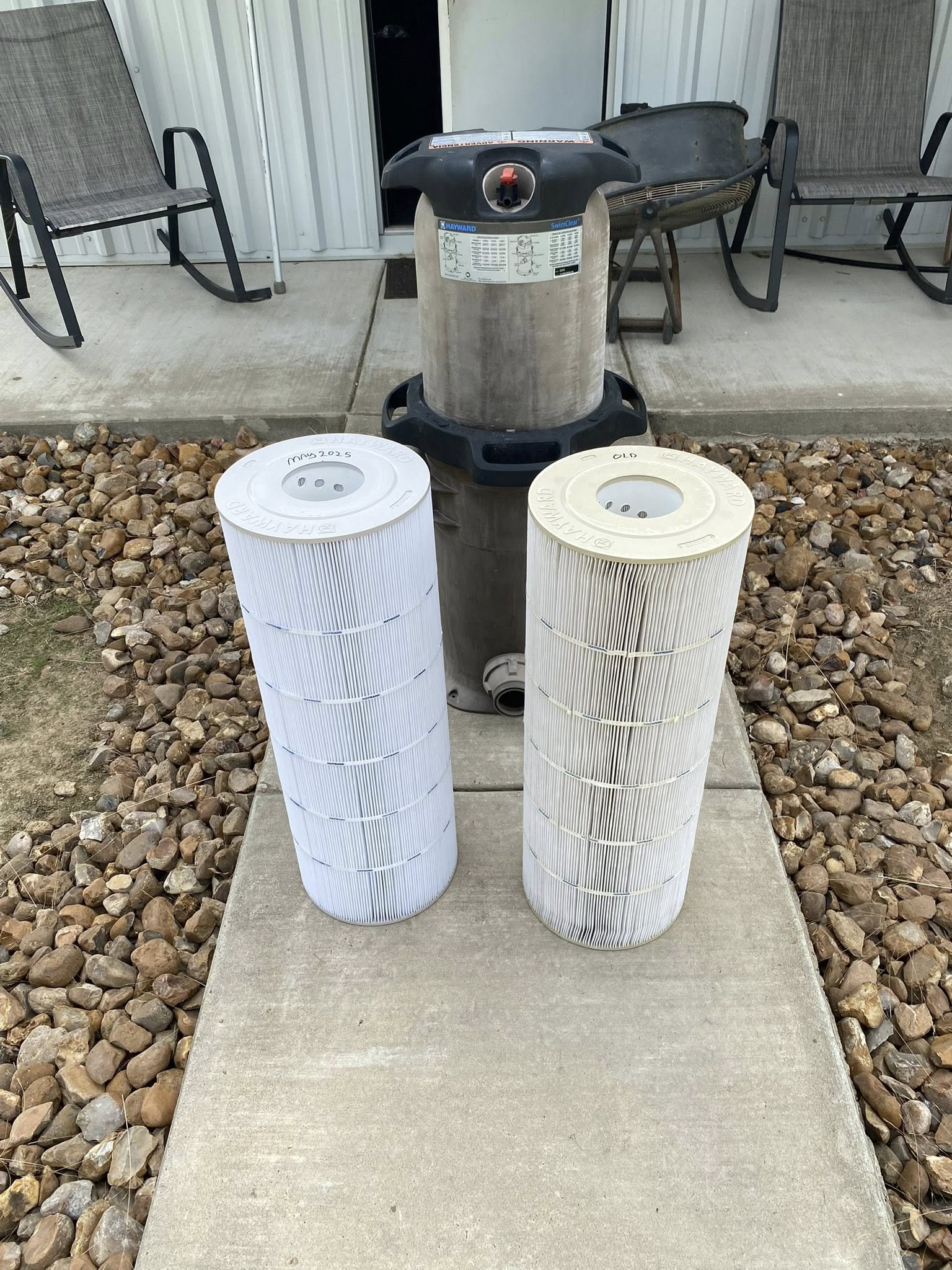
A dirty filter can absolutely make a saltwater pool cloudy. The chemistry may test “not terrible,” but if the filter is loaded with pollen, dust, algae remains, or fine storm debris, the water keeps circulating through a clogged system. That is where pressure-baseline tracking helps. PoolBurg’s pool filter maintenance guide points homeowners back to pressure behavior, not guessing by the calendar.
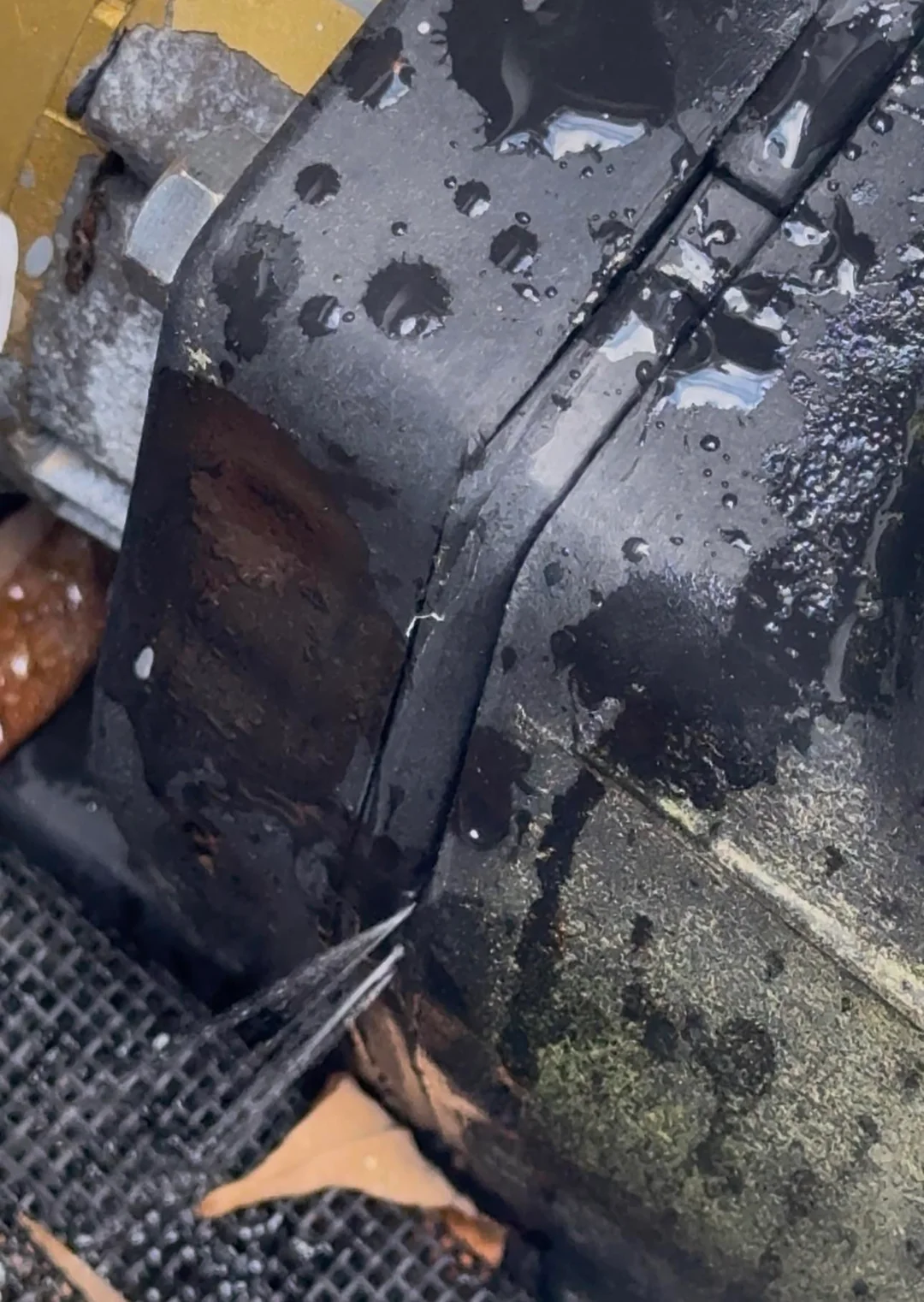
Poor circulation can do the same thing. If the pump runtime is too short, valves are wrong, baskets are packed, or returns are weak, the salt cell cannot produce consistently because water is not moving properly. A scaled salt cell is another big one. Hayward notes that cell cleaning frequency depends on pH, calcium hardness, and hours of operation, which is exactly why DFW pools with hard water need attention before scale quietly chokes production.
Why storms, parties and heat waves make cloudy water worse
A salt pool cloudy after rain is common because rain dilutes sanitizer, pushes debris into the pool, and can disturb pH and alkalinity. Add Texas heat and a backyard full of swimmers, sunscreen, sweat, and leaves, and the chlorine demand jumps fast. Pentair also explains that high calcium hardness can lead to cloudy water and scale, which is important in places like Keller, Grapevine, Prosper, and Las Colinas where hard water is not exactly shy.

The order to recover a cloudy saltwater pool
Good saltwater pool troubleshooting starts with testing, not dumping chemicals. Check free chlorine, pH, alkalinity, stabilizer, salt level, calcium hardness, and filter pressure. Then correct chlorine and pH first. Clean or backwash the filter if pressure or flow says it needs help. Inspect the cell for white scale, flakes, or warning lights. PoolBurg’s salt cell scale buildup guide is a good internal reference when the cell looks crusty or production keeps dropping.
Shock only when the diagnosis says it is needed. Sometimes shocking is the right move, especially after algae, heavy use, or a serious chlorine crash. But if the real issue is a dirty filter, low runtime, high pH, or a scaled salt cell, shock may clear the pool for a minute and then the same cloudy saltwater pool problem comes right back. PoolBurg’s weekly pool service includes testing, balancing, equipment checks, filter care, and salt cell cleaning when needed.
When cloudiness suggests algae or cell failure
If the water is cloudy with slippery walls, green tint, low chlorine, or a filter that keeps clogging after cleaning, algae may already be starting. If chlorine stays low even after the chemistry, runtime, salt level, and flow are corrected, the cell may be aging or failing. Repeated service lights, strange salt readings, and low output after cleaning are all red flags. PoolBurg has a separate guide on saltwater pool not producing chlorine that fits this exact situation.
For homeowners in Frisco, McKinney, Allen, Prosper, Keller, and Las Colinas, the smart move is simple: do not let cloudy water sit. A fast saltwater-system inspection can check cell scale, chemistry balance, filter pressure, circulation, and output settings before a small haze turns into a weekend-killing algae cleanup.
People Also Ask
Why is my saltwater pool cloudy?
Most cloudy saltwater pool problems come from low free chlorine, high pH, poor filtration, short pump runtime, storm dilution, high calcium, or a scaled salt cell.
Can a dirty salt cell make pool water cloudy?
Yes. A scaled salt cell can reduce chlorine production, leaving the pool under-sanitized even if the system appears to be running.
Do I still need to shock a saltwater pool?
Sometimes. A salt pool may need shock after algae, heavy use, storms, or low chlorine, but testing should decide that first.
Why is my salt pool cloudy after rain?
Rain can dilute chlorine, add debris, shift water balance, and increase filter demand. That combination can make a salt pool cloudy after rain.
Can high pH cause cloudy saltwater pool water?
Yes. High pH can make chlorine less effective and increase scaling or calcium haze, especially in hard-water areas.
How long does it take to clear a cloudy salt pool?
Light haze may clear in a day or two after balance and filtration are corrected. Severe cloudiness or algae can take longer.
Does cloudy water always mean algae?
No. Cloudiness can come from chemistry, filtration, circulation, calcium, or the salt cell. Algae is only one possibility.
Can a dirty filter make a saltwater pool cloudy?
Yes. A dirty or underserviced filter can leave fine particles in the water even when chlorine and pH look close to normal.
PoolBurg Can Help Clear Up Saltwater Pool Cloudy Water
Saltwater pool cloudy water is usually fixable, but the fix works best when you look at the whole system instead of blaming only the cell. PoolBurg can inspect the salt cell, test the water, check filter pressure, review pump runtime, and explain whether the pool needs balancing, cleaning, shock, equipment service, or cell replacement. If your salt pool keeps turning cloudy in North Texas, contact PoolBurg and ask for a saltwater-system inspection built around real test results, not guesswork.