During July and August, pool evaporation in Texas often causes homeowners to view their backyard pools with suspicion. You might find your water level stable one week, only to be pulling the hose across the deck the next, questioning whether there is a leak or if it is simply the intense Texas climate. For those in Frisco, Plano, McKinney, Allen, The Colony, Lewisville, Las Colinas, Prosper, and Southlake, this concern is frequent once the combination of heat, wind, and direct sunlight arrives.
Some pool water evaporation is normal. The trick is learning what looks normal for your pool, your yard, and your weather. Energy.gov explains outdoor pool evaporation factors like water temperature, air temperature, humidity, and wind speed, which is exactly why two neighbors can lose different amounts of water in the same week.
Why Pool Evaporation in Texas Happens So Fast
Pool evaporation in Texas speeds up because summer gives your pool every evaporation trigger at once: hot air, direct sun, warm water, windy afternoons, and stretches of lower humidity. A pool with no shade and a wide open surface will usually lose more water than a sheltered pool with trees, fencing, or less wind exposure.
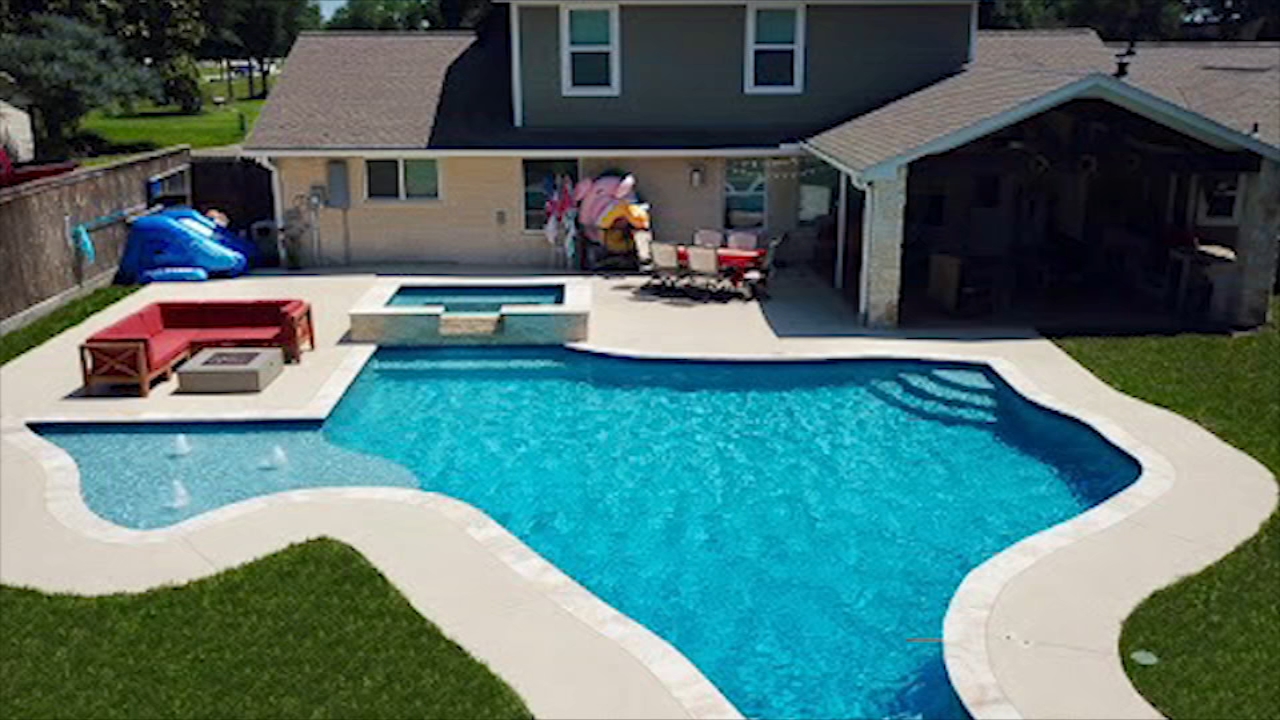
Water features can also make Texas pool water loss look worse. Waterfalls, spillovers, bubblers, tanning ledge jets, and raised spas expose more moving water to air. That does not always mean a leak. Sometimes the pool is simply throwing more water into the hot, dry air than the homeowner realizes.
How Much Pool Water Loss Is Normal?
There is no magic number that fits every pool. During mild weather, water loss may be slow enough that you barely notice it. During a North Texas heat wave, a pool losing water in summer may need topping off every few days. A Texas weather report from the Houston Chronicle reporting on Texas heat and pool water loss notes that hot, dry, windy conditions can create significant water loss and frequent refilling.
The homeowner-friendly answer is this: gradual loss during extreme heat can be normal, but sudden drops, nonstop refilling, or water falling below the skimmer too quickly should be checked. If you are constantly fighting a pool water level too low issue, do not guess for weeks.
Evaporation vs Pool Leak
Evaporation usually follows the weather. It gets worse on hot, windy, sunny days and may slow down after rain, cooler nights, or calmer conditions. A leak is different. A leak may keep dropping the water even when the pool is not being used, even overnight, or even when the weather cools off.
A simple bucket test can help. Place a bucket on a pool step, fill it so the water inside the bucket matches the pool water level, mark both levels, turn off water features, and compare the drop after 24 hours. If the pool drops much faster than the bucket, it may be time for pool leak detection. If both drop about the same, evaporation is more likely.
Signs It May Not Be Evaporation
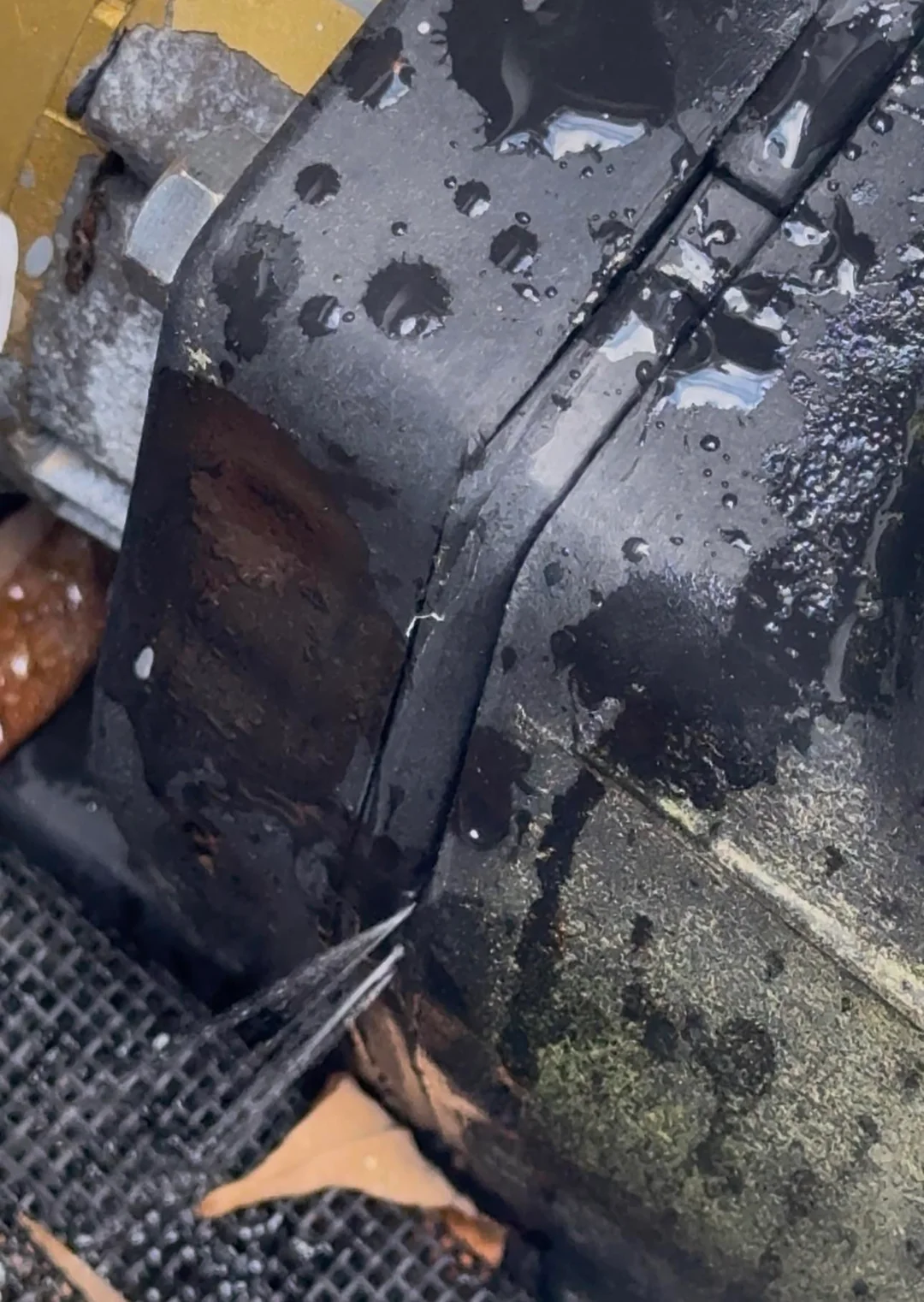
Pool evaporation in Texas should not make your pump suck air every morning. Watch for the water falling below the skimmer, air bubbles returning to the pool, wet soil near the shell, cracks around fittings, a constantly running autofill, or a water bill that suddenly jumps. Those clues point beyond normal pool water evaporation.
Also pay attention after storms. Heavy rain can hide water loss for a day or two, then the level may drop again once the weather turns hot. Our pool maintenance after rain guidance is useful because rain can dilute chemistry, add debris, and make water-level issues harder to read.
How to Reduce Pool Evaporation in Texas
A pool cover is the simplest way to slow evaporation, although in peak Texas summer, some covers can trap heat. Energy.gov notes that pool covers conserve water by reducing the amount of makeup water needed, and they can also cut chemical use and cleaning time. If your pool already runs warm, compare pool cover types before buying the first solar blanket you see.
You can also reduce unnecessary waterfall runtime, repair small leaks early, use windbreaks carefully, and keep the water level in the correct range. If you use a cover after storms, remember that pool cover water removal matters too, because standing cover water can dump dirty water back into the pool.
One more thing: every refill changes chemistry. The CDC home pool water treatment and testing guidance reminds homeowners to routinely check chlorine and pH, and that matters even more when you are adding fresh water several times a week.
People Also Ask
How much pool evaporation is normal in Texas?
It depends on weather, wind, shade, water temperature, and pool exposure. During extreme heat, noticeable daily loss can happen, but sudden or unusual drops should be tested.
Is my pool leaking or evaporating?
Run a bucket test. If the pool water drops much faster than the bucket water, a leak is more likely.
How do I do a bucket test?
Set a bucket on a step, match the bucket water level to the pool level, mark both, and compare the drop after 24 hours.
Can wind make pool water evaporate faster?
Yes. Wind moves humid air away from the water surface and replaces it with drier air, which can increase evaporation.
Does a pool cover reduce evaporation?
Yes. A cover can reduce evaporation, but in Texas summer, choose carefully because some covers may warm the pool.
Why does my pool water level keep dropping?
Heat may be the reason, but constant refilling, air in the pump, wet areas, or water loss that beats the bucket test may point to a leak.
PoolBurg Can Help You Tell Evaporation From a Leak
Pool evaporation in Texas can be normal, but guessing is not a great maintenance plan. If your water level keeps dropping, PoolBurg can check the skimmer level, equipment pad, autofill, visible plumbing, and leak warning signs so you know whether you are dealing with normal Texas pool water loss or a real problem.
If your pool keeps losing water in summer and you are tired of playing hose detective, contact PoolBurg and let us help you get a clear answer before the issue gets expensive.