
In this guide
How to Winterize Your Pool Fill Line Hose & Spigot
Protect outdoor spigots, vacuum breakers, and manual pool fill hoses from sudden freeze damage in 4 simple steps.
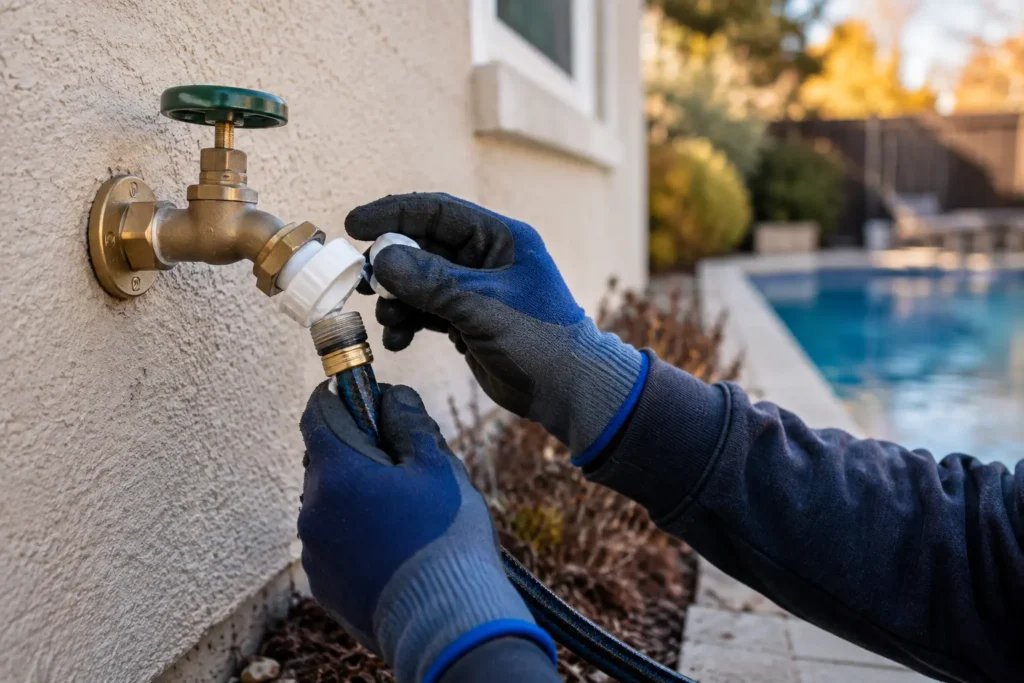
01 Disconnect Hose 02 Drain Water 03 Protect Spigot 04 Store Hose
⚠️ Wall Pipe Burst Warning
Leaving a pool fill hose connected during sub-freezing temperatures traps water inside the outdoor spigot mechanism. As the water freezes and expands, it exerts backward pressure into the house wall plumbing, frequently bursting interior pipes and causing severe water leaks behind walls.
STEP 01
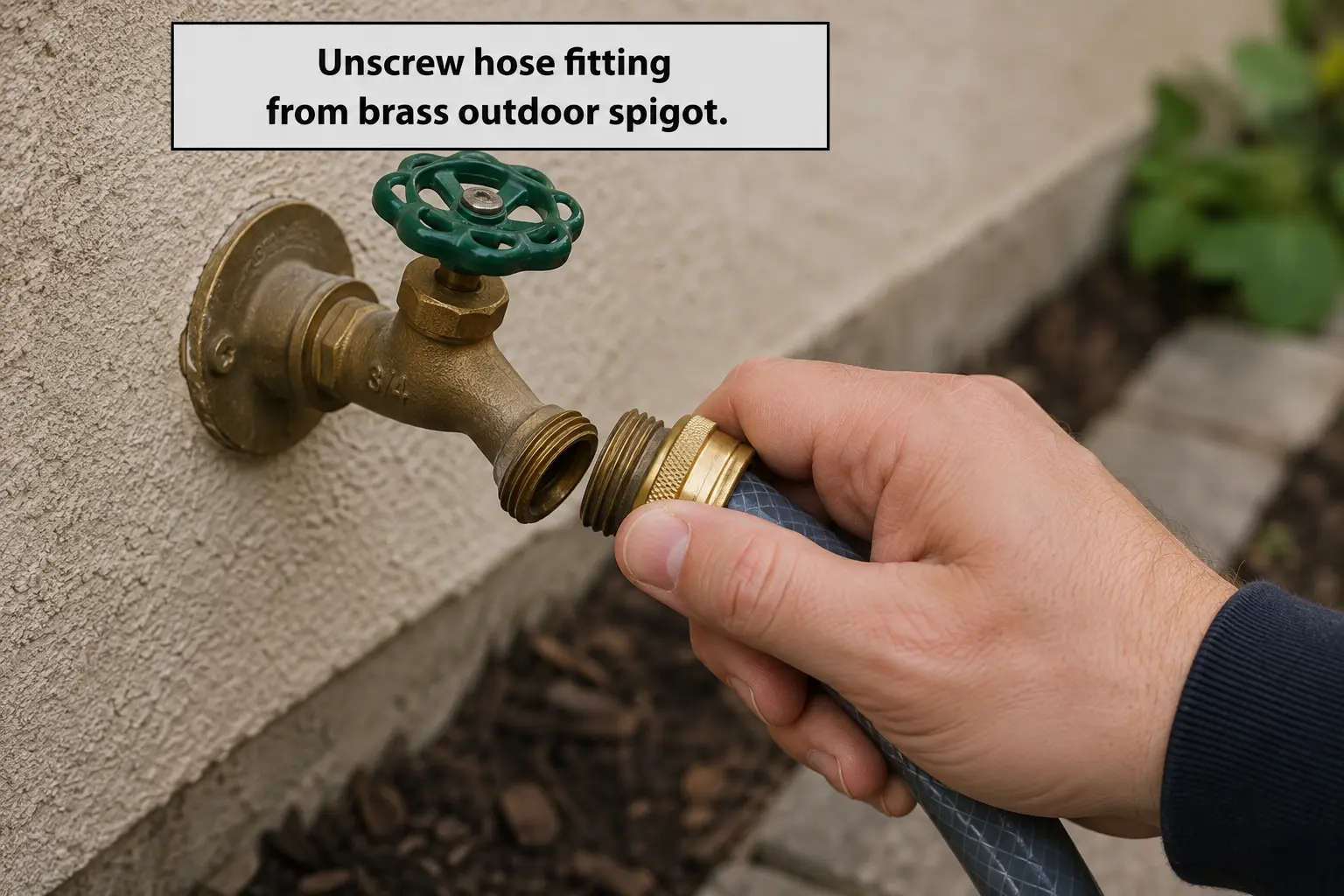
Unscrew Fill Hose from Hose Bib & Vacuum Breaker
Turn off the outdoor water spigot completely. Unscrew the pool fill line hose from the spigot threads and remove any quick-connect brass fittings or backflow preventers attached to the spigot nozzle.
STEP 02
Evacuate All Trapped Water from the Hose Line
Elevate one end of the fill hose and walk down its length to gravity-drain all trapped water. Open any adjustable nozzle attachments or shutoff valves on the pool end of the hose so water drains completely.
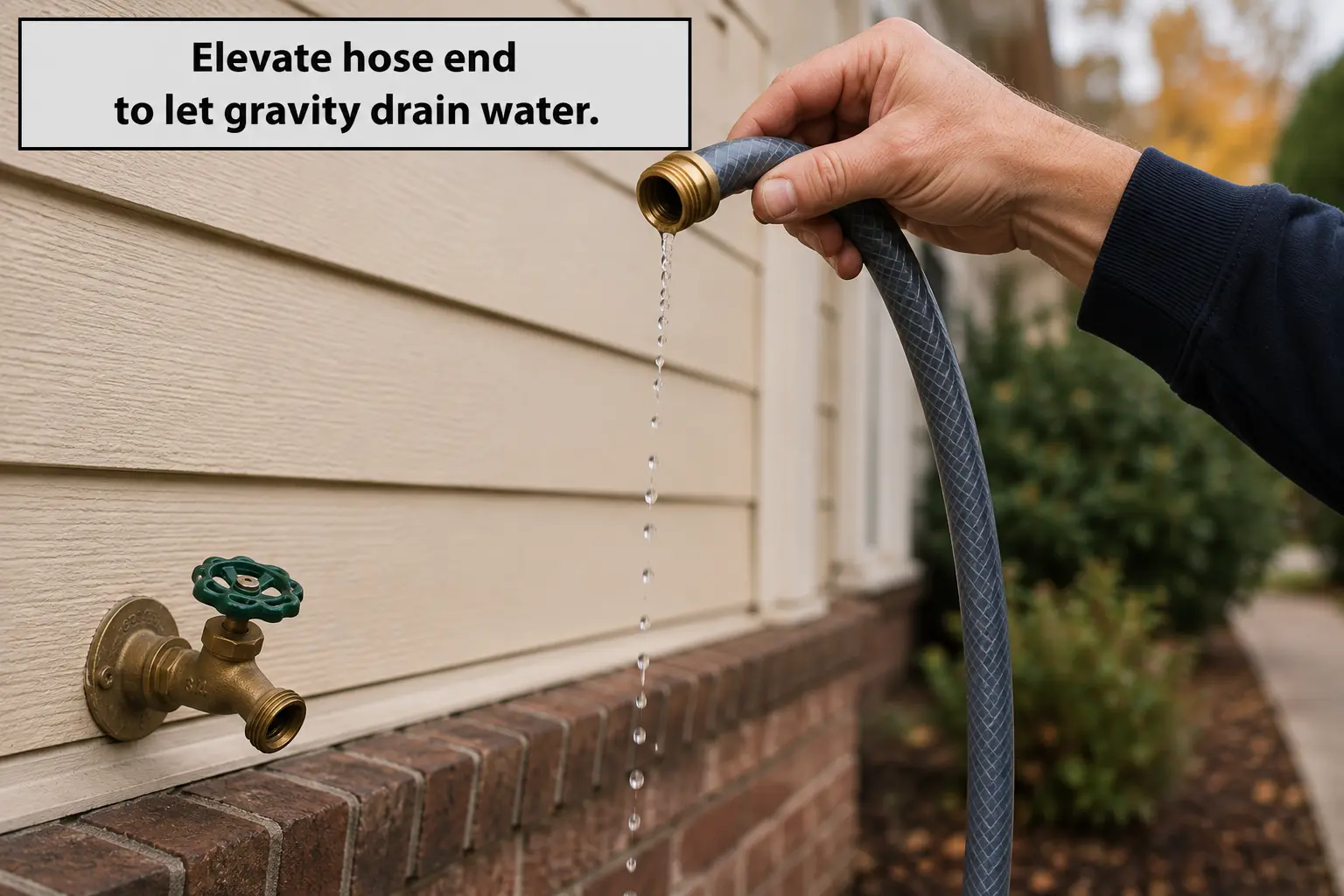
Elevating hose end to let gravity drain water.
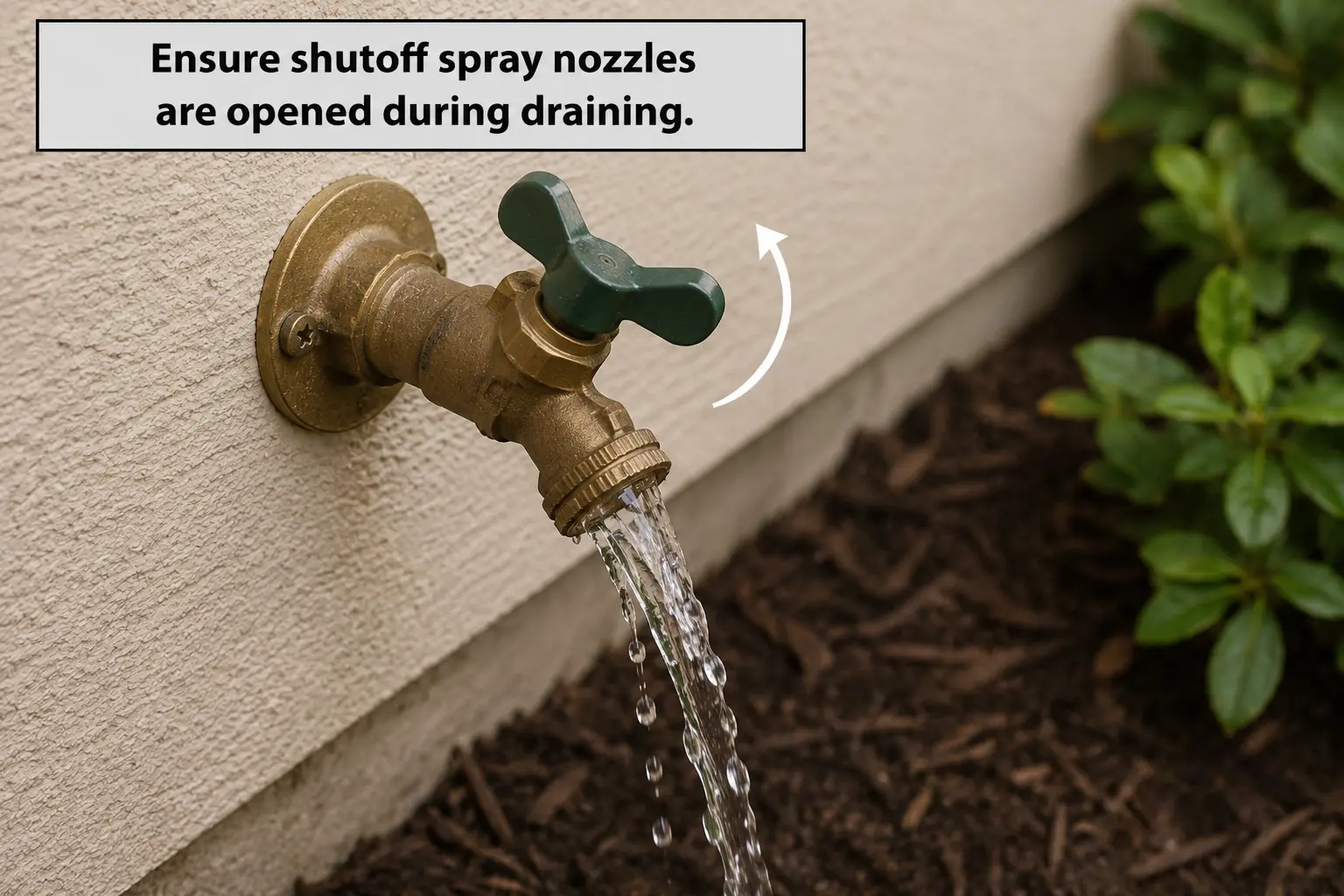
Ensure shutoff spray nozzles are opened during draining.
STEP 03
Protect the Hose Bib and Anti-Siphon Valve
Shut off the internal water isolation valve inside your home feeding the outdoor spigot (if equipped) and open the outdoor faucet to release pressure. Install an insulated foam hose bib cover tightly over the spigot to block cold Texas winds.
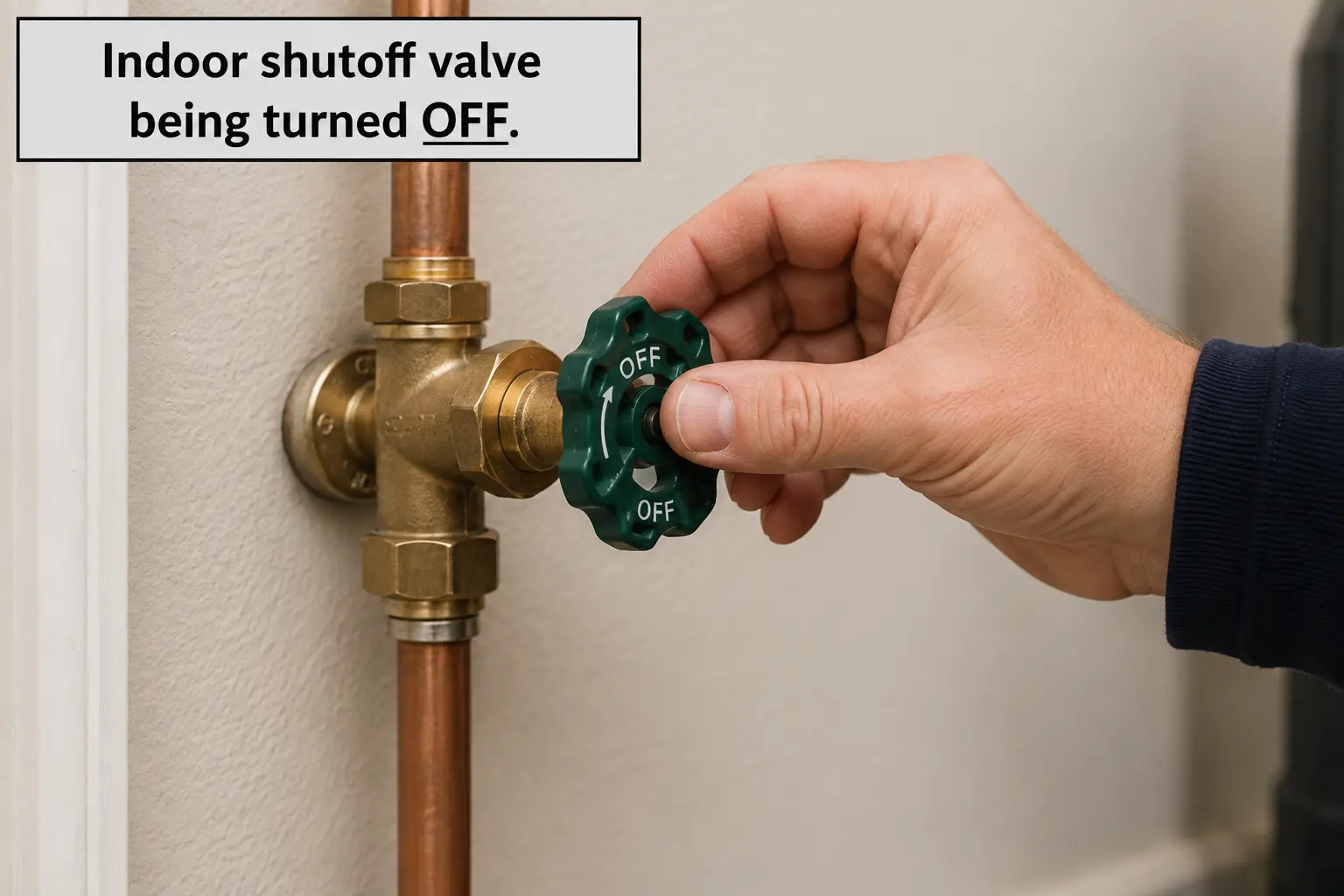
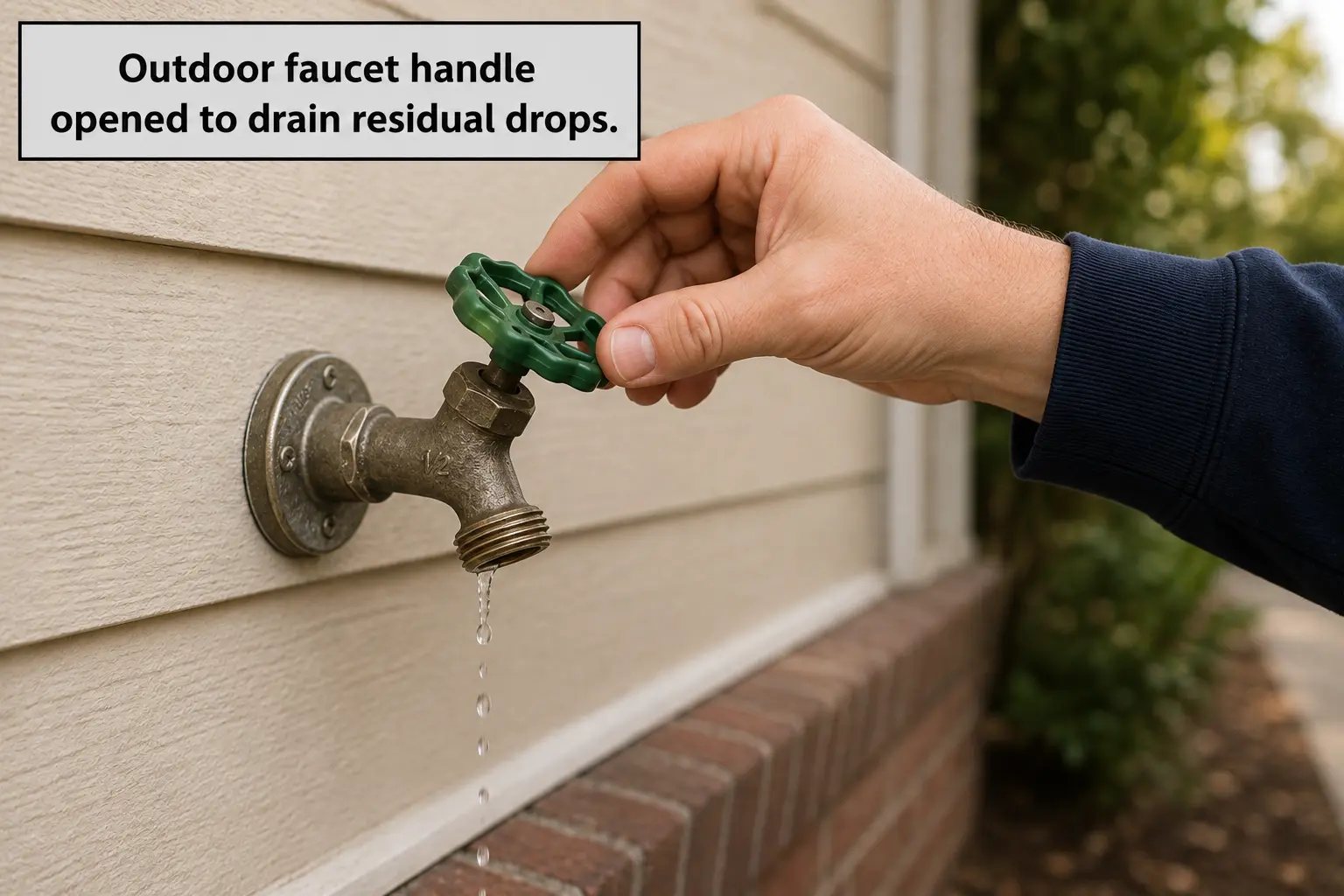
ighten drawstring or foam cap hook securely.
STEP 04
Coil and Store the Pool Fill Hose in Dry Storage
Coil the dry pool fill hose in wide loops to prevent rubber cracking. Connect the male and female ends together loosely to keep debris and bugs out, and store the hose in a climate-controlled garage or shed.
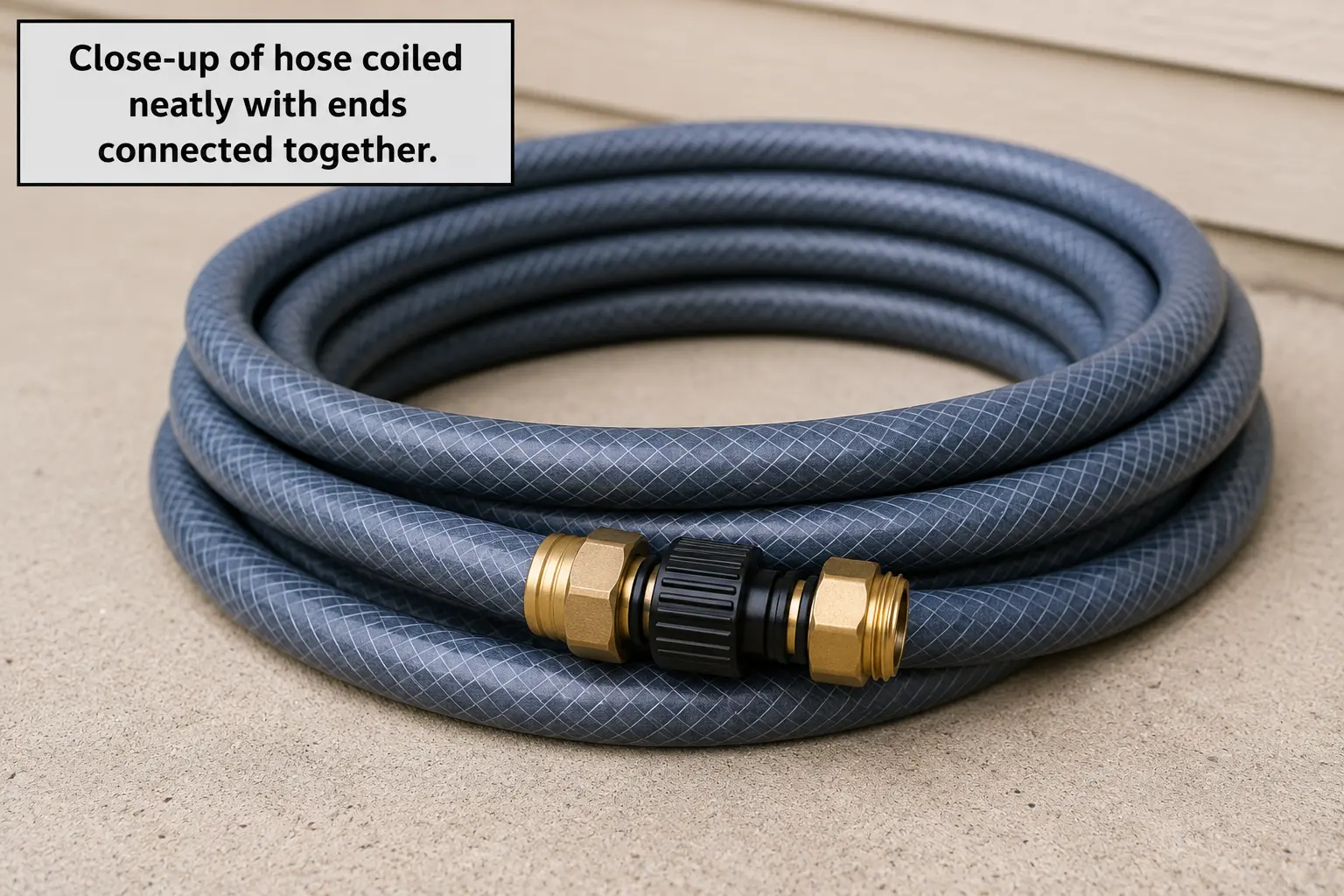
↓
Your Pool Equipment May Require Additional Steps
Winterizing Your Pool Pump
Winterizing Your Pool Filter
Winterizing Your Pool Heater
Winterizing Your Heat Pump
Winterizing Pool Automation
Winterize In-Floor Cleaning
Autofill Winterization
Fill Line Hose Winterization
PoolBurg is rated 4.9 stars from over 300 reviews.
Frequently Asked Questions
Why can't I leave my pool fill hose attached if the spigot is off?
Even if the spigot is turned off, an attached hose prevents residual water inside the spigot nozzle from draining out. During a freeze, that trapped water expands directly into the spigot casing, causing split pipes inside your home’s exterior walls.
What is a vacuum breaker (anti-siphon valve) and why does it freeze?
A vacuum breaker prevents pool water from back-siphoning into your household drinking water. Its internal plastic cap and rubber diaphragm retain small amounts of moisture, making it highly susceptible to cracking during a hard freeze if left exposed.
Can I use an expandable "pocket" hose for filling my pool in winter?
Expandable fabric hoses retain significant water within their inner latex cores. If exposed to freezing temperatures, the inner tube bursts easily. They should always be completely drained and stored indoors before cold weather hits.
Need Complete Pool & Plumbing Winterization?
Don’t let a sudden Texas freeze damage your pool equipment or outdoor plumbing lines. Let Poolburg certified technicians inspect, drain, and winter-proof your entire system.
Winterize Your Pool Fill Line, Hose & Spigot – Proudly Serving Dallas
We proudly offer professional pool fill line, hose, and spigot winterization in Dallas and throughout the DFW metroplex. Our certified technicians drain, blow out, and protect your pool's water supply lines, outdoor hoses, and exterior spigots to prevent freezing, cracking, and costly spring repairs. We serve Highland Park, Colleyville, Flower Mound, Prosper, Allen, McKinney, Plano, Frisco, Southlake, and all surrounding communities in Dallas, Tarrant, Denton, and Collin counties.
Dallas, Highland Park, Colleyville, Flower Mound, Prosper, Allen, McKinney, Plano, Frisco, Southlake, Little Elm, Celina, The Colony, Carrollton, Fort Worth, Arlington, Garland, Richardson and Irving.
 Book a visit