Pool cyanuric acid too low? Outdoor chlorine has too little UV protection, so a sunny afternoon can erase much of the sanitizer added that morning. The pool may look fine at breakfast and test low by dinner. Low stabilizer does not create algae, but it can leave too little chlorine to stop it.
What Pool Cyanuric Acid Too Low Means for Chlorine
Cyanuric acid, or CYA, works like sunscreen for chlorine. It slows sunlight-driven loss so sanitizer stays in the water longer. Pentair’s pool water chemistry guide calls CYA stabilizer or conditioner, while the National Pesticide Information Center’s fact sheet explains that cyanuric compounds slow chlorine breakdown in sunlight.
That protection matters in North Texas, but more is not always better. Too little CYA leaves chlorine exposed; too much slows its disinfecting action. The right pool stabilizer level depends on the sanitizer, chlorinator, product label, and manufacturer—not a number copied from a neighbor.
Signs Cyanuric Acid May Be Too Low
A low cyanuric acid pool usually shows a pattern, not one dramatic symptom:
- Free chlorine tests acceptably in the morning but falls sharply by afternoon.
- You keep adding chlorine even though the pool has no obvious leak.
- Water turns dull or cloudy after several bright, hot days.
- Algae returns soon after treatment because the chlorine residual will not hold.
- The salt cell runs hard, yet the pool still struggles to maintain sanitizer.
These are clues, not proof. The CDC’s home pool guidance notes that sunlight, swimmer waste, and dirt all reduce chlorine. Test before blaming low pool stabilizer.
What Causes Low Cyanuric Acid?
Fresh fill water normally starts with no stabilizer. A new pool, major refill, partial drain, frequent sand-filter backwashing, or splash-out followed by top-up water can lower CYA. Rain matters most when the pool overflows or water is pumped out and replaced; otherwise it causes only dilution.
Liquid chlorine and salt systems do not add CYA, so the reading can stay low without separate conditioner. A surprising result may also be a testing issue. Taylor’s cyanuric acid testing guidance explains why technique matters.

Low Stabilizer vs High Chlorine Demand
When a homeowner says, “My chlorine is disappearing fast,” the timing helps. A daytime drop with a steadier overnight reading points toward sunlight. A large overnight loss cannot be caused by the sun; algae, leaves, sunscreen, sweat, or other contaminants may be consuming chlorine.
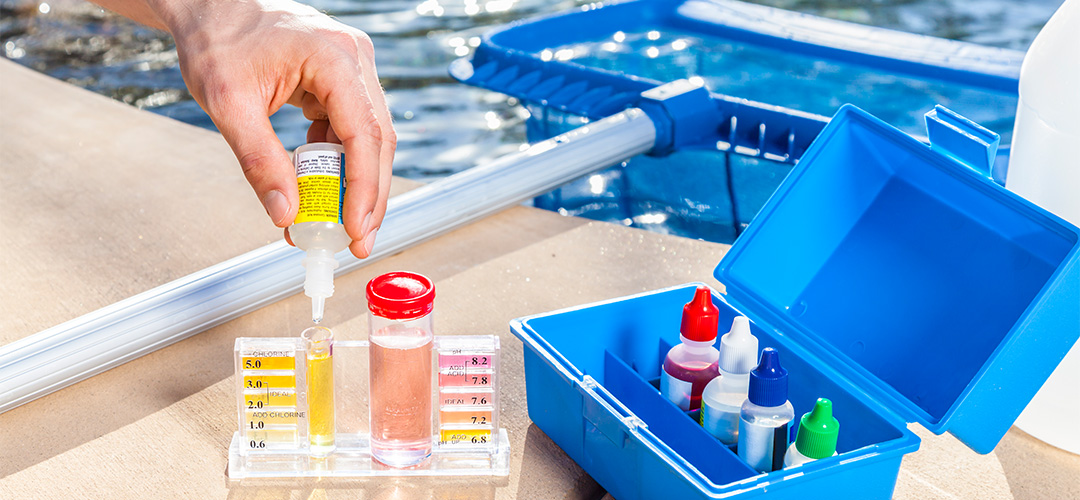
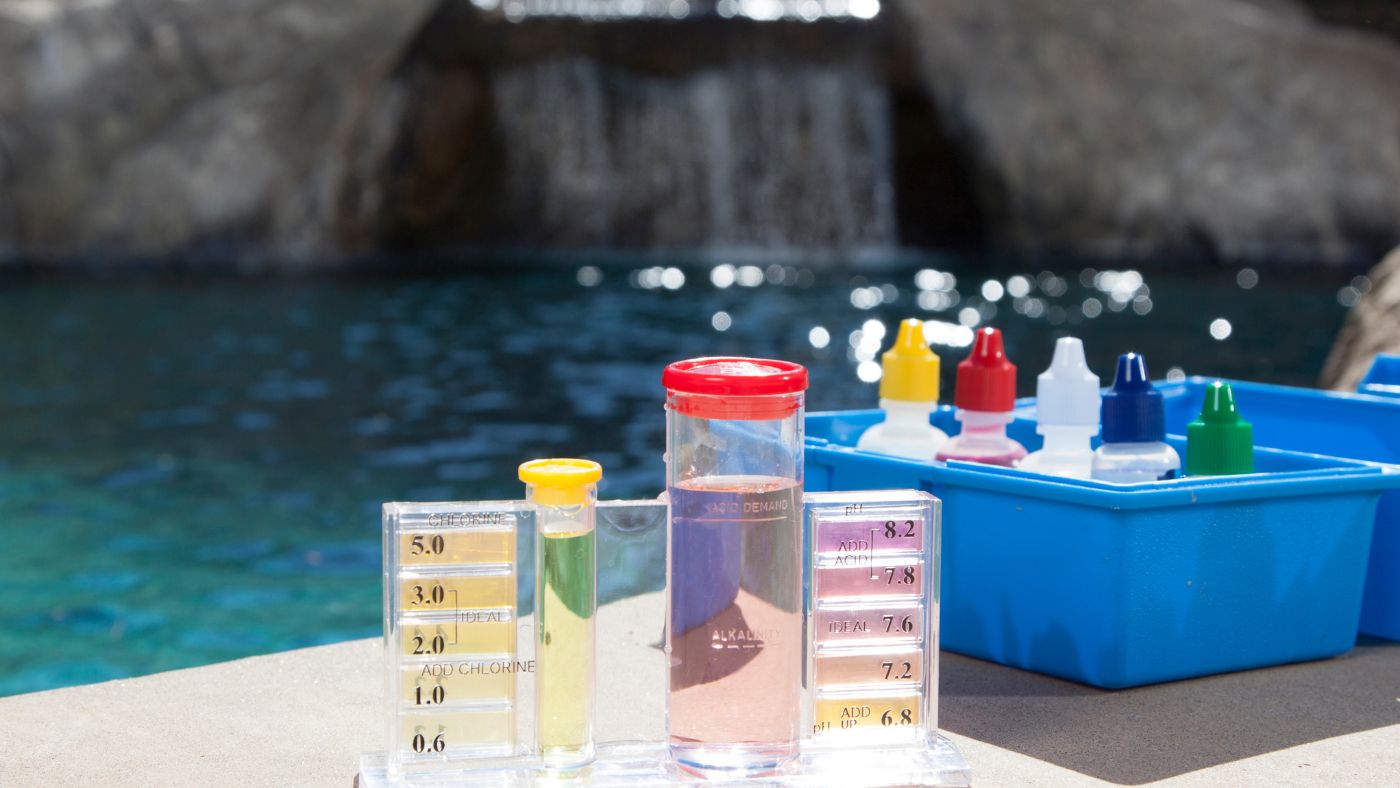
Test CYA, free chlorine, total or combined chlorine, and pH together. The pool water testing kits guide can help. If chlorine is present but seems ineffective, pool chlorine lock explains the opposite problem—too much stabilizer or too little chlorine for the CYA level.
How to Raise Cyanuric Acid Safely
Test first, confirm pool volume, and check the equipment manual. Pentair’s iChlor manual, for example, specifies 30–50 ppm for that outdoor salt system; another product may differ.
Add stabilizer in stages according to its label, circulate as directed, and retest after the stated waiting period. Do not improvise by pouring concentrated granules onto the finish or into equipment. An EPA-filed pool product label shows why testing and product-specific directions belong together. The CDC’s pool chemical safety guidance also recommends reading labels and wearing the listed protective equipment.
Go slowly. Lowering excess CYA usually requires replacing water. If the pool is already hazy, correct the cause instead of adding products blindly; the cloudy pool after shock and pool phosphate remover guides explain two problems that can look similar.
People Also Ask
What happens if cyanuric acid is too low?
Sunlight destroys free chlorine faster, so the pool may lose its sanitizer residual during the day and become more vulnerable to cloudy water or algae.
Why does chlorine disappear so fast?
Low CYA can cause daytime loss, but algae, swimmer waste, debris, high temperatures, and heavy use also consume chlorine. Test the full chemistry rather than adding random shock.
How do I raise pool stabilizer?
Confirm the CYA reading and pool volume, then use a labeled cyanuric acid product in measured stages. Circulate and retest exactly as the label directs.
Can low CYA cause algae?
Indirectly, yes. Low CYA does not feed algae, but it can let sunlight remove chlorine so quickly that algae gets an opening.
Can rain lower cyanuric acid?
Rain dilutes the pool. The larger drop happens when water overflows, is drained, or is backwashed out and replaced with fresh water.
What is the right stabilizer level for an outdoor pool?
There is no universal target. Follow the sanitizer label, chlorinator manual, local requirements, and a reliable test. Salt systems may specify a different range from manually chlorinated pools.
PoolBurg Can Stop the Chlorine Guessing Game
Strong Texas sun makes pool cyanuric acid too low especially troublesome in Frisco, Plano, McKinney, Allen, The Colony, Lewisville, Wylie, and Prosper. PoolBurg can test stabilizer, free and combined chlorine, pH, algae risk, and salt-system output together. Read why a saltwater pool may not be making chlorine, or contact PoolBurg before another expensive round of chlorine disappears.