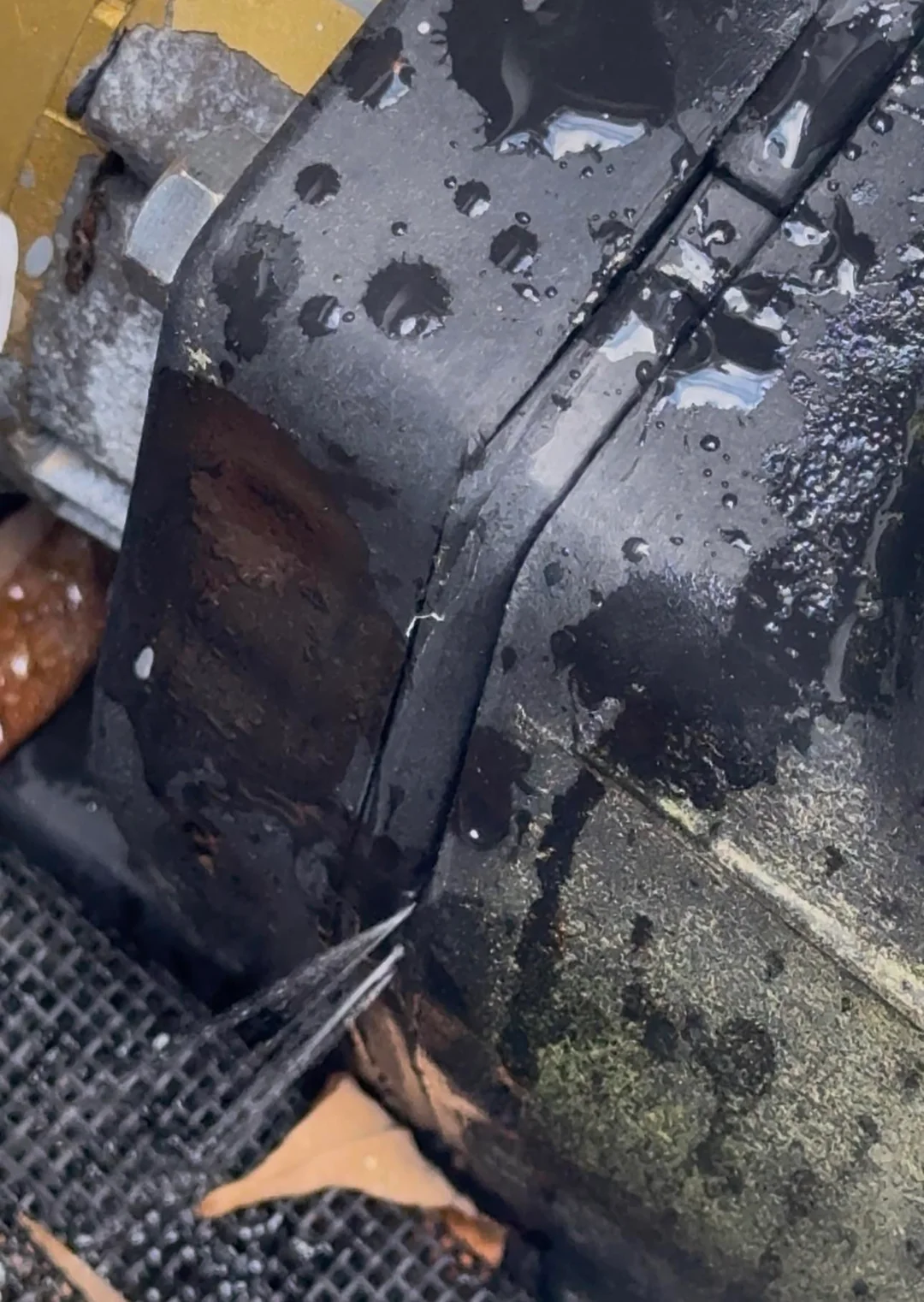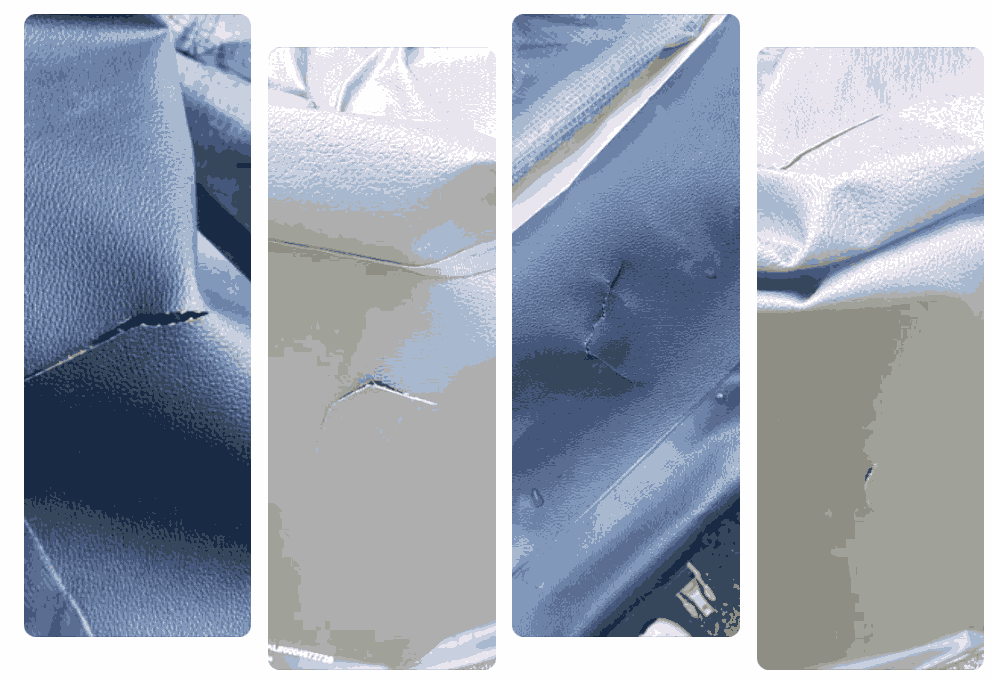
Yes, a torn pool cover repair may suffice for minor, contained punctures if the specific manufacturer-approved patch is applied. However, a ripped pool cover becomes a different matter when damage extends to a seam, strap, anchor point, or automatic-cover track. In these cases, a cosmetic pool cover patch might mask the flaw without actually reinstating the necessary structural integrity or safety rating.
So, yes, a torn cover may be repairable—but size, location, condition, and cover type decide. Until a damaged safety cover is evaluated, do not trust it as the pool’s only barrier. Keep children and pets away.
Why Pool Covers Tear
A sharp branch, tool, or storm debris can create a pool cover tear in seconds. Wet leaves and standing water work more slowly, pulling at seams, straps, anchors, and low spots. Freeze stress, loose anchors, and dragging fabric across rough coping add more strain.
If the material is brittle, faded, or thin in several places, a ripped pool cover may simply be worn out. Coverstar’s fabric inspection checklist calls out cracks, peeling, weak fabric, damaged stitching, and worn ropes.
Can Torn Pool Cover Repair Save It?
Check the manufacturer and model first. Patch kits are material-specific, and generic household tape is not an approved repair.
For one manufacturer example, LOOP-LOC’s repair guidance permits its self-adhesive kit for holes three inches or smaller and says larger holes need factory repair to maintain safety features. That limit is product-specific; your instructions may differ.
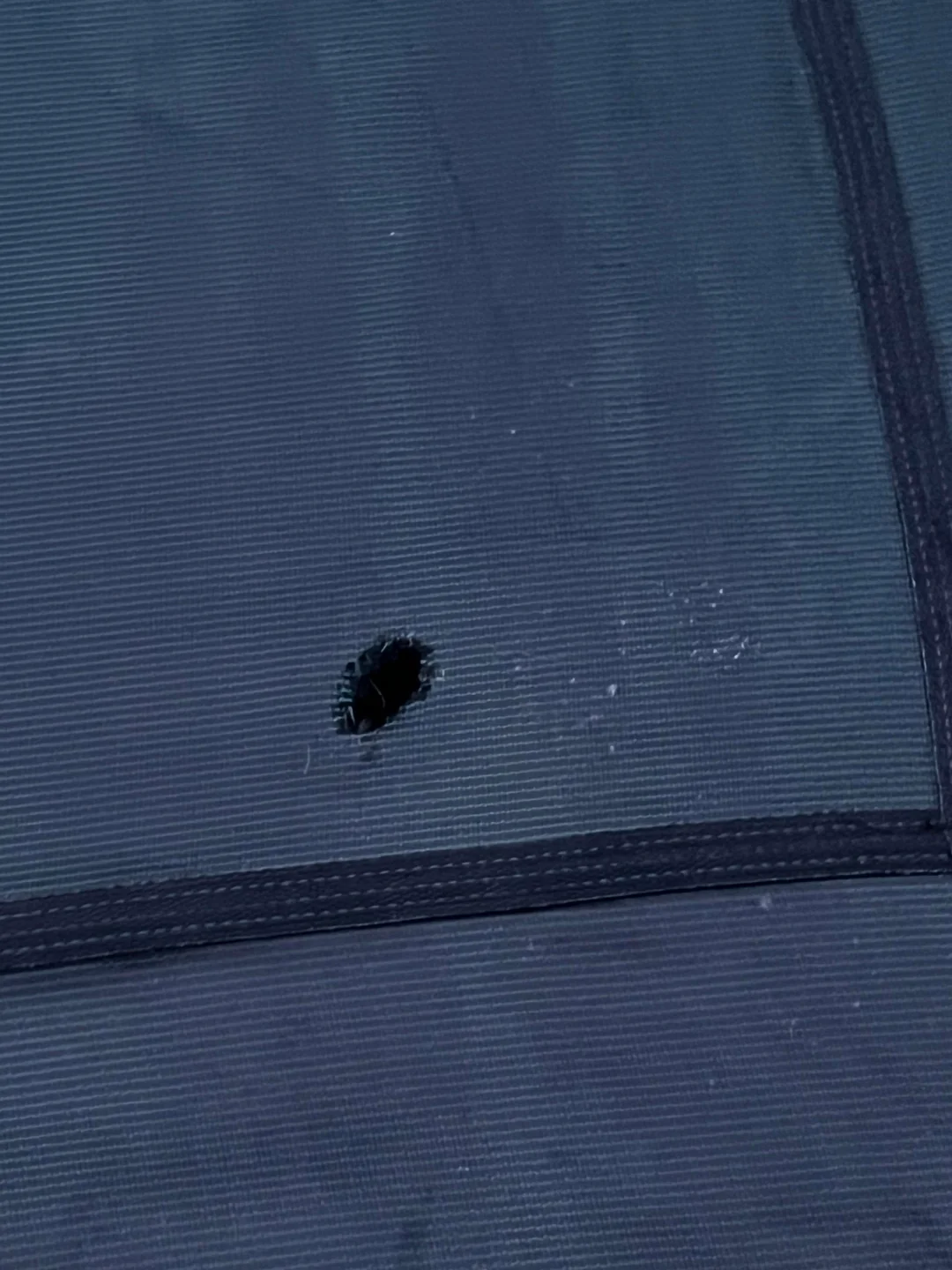
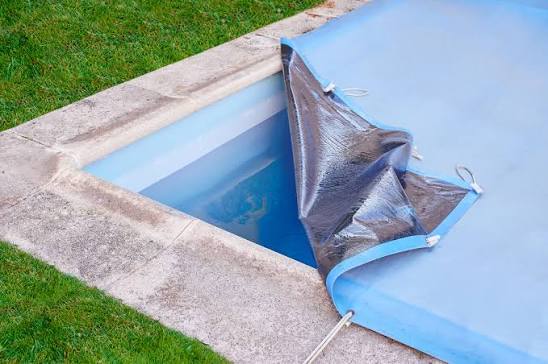
A small center-panel puncture in flexible fabric is the best candidate for torn pool cover repair. Clean and dry it, then apply the patch exactly as directed. Damage beside reinforced stitching—like the supplied homeowner photo—needs closer inspection because that area carries tension. Never assume DIY stitching restores a safety rating.
When Torn Pool Cover Repair Means Replacement
Pool cover replacement is smarter when a tear reaches a seam or edge, straps or anchors are damaged, fabric is brittle, several weak spots appear, or the cover still sags after cleanup. A recurring split means the surrounding material is probably failing.
Safety covers have performance requirements such as the ASTM F1346 safety-cover standard; a cosmetic patch does not prove continued compliance. The CPSC’s pool-barrier guidance also stresses fast water removal because shallow standing water can be a drowning hazard.
Why Cover Type Matters
Torn pool cover repair is not one-size-fits-all.
| Cover Type | Repair Decision |
|---|---|
| Solid winter cover | A small correct patch may work; deep sagging still needs attention. |
| Mesh safety cover | Follow its patch limit; structural damage needs evaluation. |
| Automatic cover | Stop for fabric, rope, edge, or track trouble; call a technician. |
| Solar cover | A repair may extend its life, but it is not a safety barrier. |
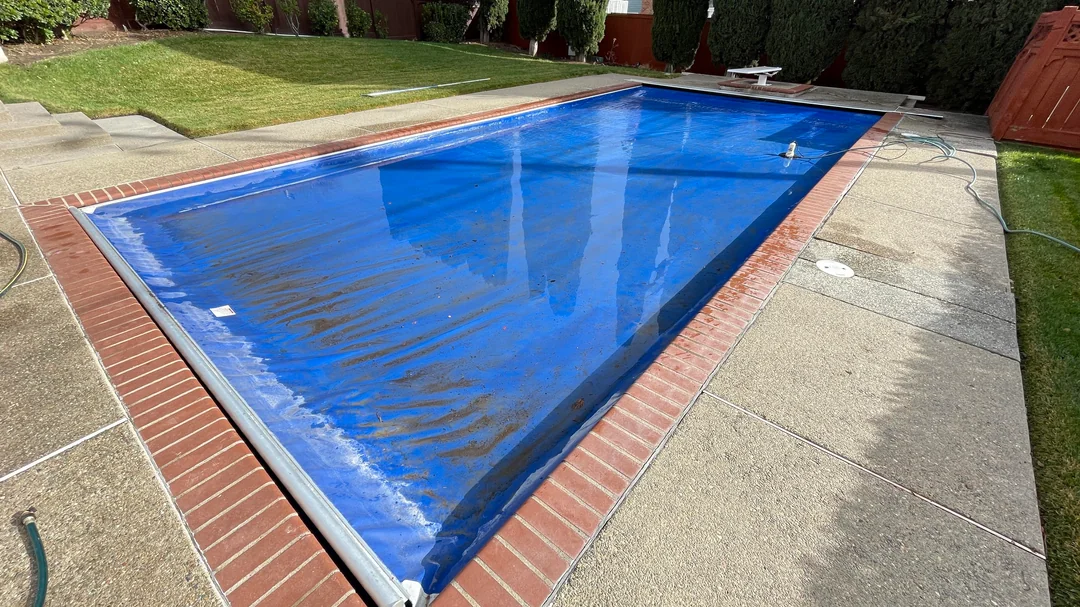
The Cover-Pools owner’s manual warns not to run an automatic cover with water on it and recommends professional help for serious service. Regular automatic pool cover track cleaning helps keep grit from becoming fabric damage.
How to Prevent Pool Cover Tears
Remove standing water with the correct pump, clear leaves with soft tools, and never drag the cover across rough coping. Inspect straps and springs, and look for loose pool cover anchors after storms. Clean and dry both sides before storage, then keep the cover away from sharp tools and rodents. See PoolBurg’s pool cover mold guide for storage tips.
Correct pool cover sagging and handle pool cover water removal before the load stretches a weak area. The Department of Energy pool-efficiency guide notes that covers reduce evaporation and heat loss.
In Plano, Garland, Mesquite, Wylie, Carrollton, Farmers Branch, and The Colony, storms, leaves, ice, and wind can test covers quickly. A post-storm torn pool cover repair check can stop a pinhole from becoming a split.
People Also Ask
Can a torn pool cover be repaired?
Yes. Torn pool cover repair may work for a small hole in healthy material when the manufacturer approves the method.
Can you patch a winter pool cover?
Often, yes. Use a pool cover patch made for its material and follow the instructions.
Is a ripped safety cover still safe?
Do not assume so. A ripped pool cover needs evaluation, especially near a seam, strap, webbing, or edge.
When should I replace a pool cover?
Consider pool cover replacement for brittle fabric, several weak areas, structural damage, or failed repairs.
Can leaves and water tear a pool cover?
Yes. Their weight can stretch fabric, deepen sagging, and overload seams or anchors.
How do I prevent pool cover tears?
Remove water and debris, avoid sharp tools and dragging, store the cover dry, and inspect its hardware regularly.
PoolBurg Can Make the Repair or Replace Decision Clear
Torn pool cover repair should leave you confident, not guessing about tape. PoolBurg can inspect the hole, fabric, seams, straps, anchors, and cover movement, then explain whether repair or pool cover replacement is smarter. Contact PoolBurg before the next storm makes a small rip worse.