When your screen flashes a saltwater pool low salt warning, the most instinctive reaction is to simply add another bag or two of salt. However, these alerts can be deceptively simple. While a low salt warning can certainly mean your saltwater pool salt level has dropped, it can just as easily indicate a scaled salt cell, cold water temperatures, a system misreading, or water dilution caused by recent rain and refills.
That is why PoolBurg does not like guessing with salt pools. A salt cell not producing chlorine can make a pool cloudy fast, but too much salt can create a whole new headache. The best first step is testing the water, then checking the cell and controller together.
What a Saltwater Pool Low Salt Warning Means
A saltwater pool low salt warning means the salt system thinks the water does not have enough salt for the chlorine generator to work properly. Salt systems use the salt in the water to produce chlorine, so if the system believes salt is too low, it may reduce output or shut production down.
The tricky part is that the control panel is not always the final judge. The panel may estimate salinity through the cell and sensors. If the cell is dirty, scaled, old, or confused by water temperature, the reading may not match a separate water test. That is why a saltwater pool salt level should be confirmed before adding salt blindly.
Common Reasons a Salt Pool Shows Low Salt
The most obvious cause is actual low salt. Rain, splash-out, backwashing, draining, leak repairs, and adding fresh water can all dilute a pool. After a big DFW storm, a low salt warning pool message can show up even if the system was fine a week earlier.
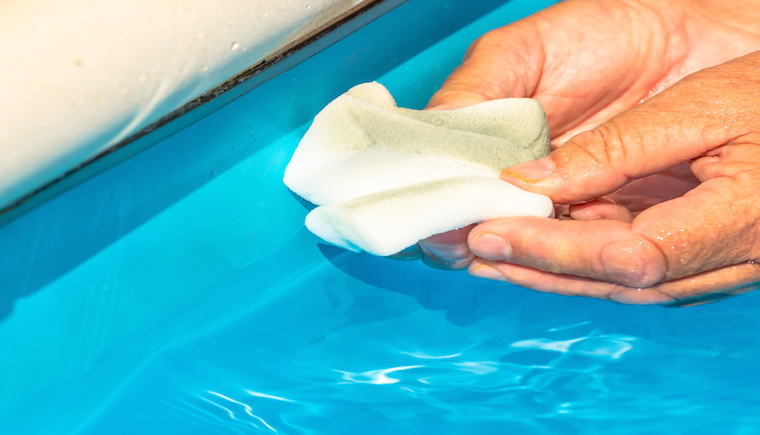
But there are other common causes. A scaled cell can confuse readings and slow chlorine production. If you already have salt cell scale buildup, the system may read low salt even when the water test says otherwise. Cold water can also affect some salt systems because many chlorine generators reduce or stop output when water temperatures drop. Older cells and failing sensors can misread too, especially when the warning keeps coming back after the water tests fine.
Why You Should Test Before Adding Salt
A saltwater pool low salt warning should start a test, not a salt-pouring contest. Once salt is in the pool, it does not disappear quickly. If you overshoot, the fix may involve draining and refilling water, which wastes time and money.
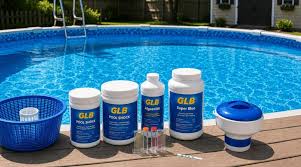
Use a reliable salt test, digital salinity test, or professional water test. Also check free chlorine and pH because a salt pool is still a chlorine pool. The CDC home pool and hot tub water treatment and testing guidance reminds homeowners that chlorine and pH still need regular testing to help protect swimmers. That matters when a salt system low salt warning means the cell may not be making enough chlorine.
Can a Dirty Salt Cell Cause a Low Salt Warning?
Yes, a dirty or scaled cell can absolutely be part of the problem. Calcium scale can coat the plates inside the salt cell, making it harder for the system to read and produce correctly. In hard-water areas around Frisco, McKinney, Allen, Prosper, Keller, and Southlake, this is not rare.
Cleaning should be done carefully, though. Constant acid cleaning can shorten cell life if it is overdone or mixed too strong. If your system keeps showing a saltwater pool low salt warning after testing confirms the salt is fine, the cell needs inspection, not just another chemical guess. This is also a good time to review salt water pool chemicals needed so the entire water balance supports the salt system.
What Happens If Salt Is Actually Too Low?
If the salt level is truly low, the cell may reduce chlorine output or stop producing chlorine. At first, the water may look fine. Then the chlorine slips, the pool gets dull, and algae gets a window to move in. That is why homeowners often notice a saltwater pool low salt warning before they notice a real water problem.
Low chlorine from a salt system low salt issue can lead to saltwater pool cloudy water, green patches, or a pool that needs extra shocking. It can also make homeowners think they have a bigger equipment failure when the system is simply unable to generate chlorine at the current salinity.
What Homeowners Can Check First
Before adding salt, check the basics: recent rain, recent water refill, current salt test, cell condition, water temperature, and whether the controller has a calibration or diagnostic reading. If the panel says low salt but the water test says the saltwater pool salt level is normal, do not keep adding salt just because the light is on.
Also check related chemistry. High pH and scale go hand in hand in many salt pools, so recurring warnings may connect to saltwater pool pH problems. If the cell is aging, the reading may drift. If the pool was diluted, the fix may be as simple as adding the correct amount of salt after testing.
People Also Ask
Why does my salt pool say low salt?
It may have low salt, diluted water, a scaled cell, cold water, a dirty sensor, or an aging salt cell that is reading incorrectly.
Should I add salt when the system says low salt?
Only after testing the actual saltwater pool salt level. Adding salt blindly can push the level too high and force a partial drain.
Can rain lower pool salt level?
Yes. Heavy rain and overflow can dilute pool water, which may trigger a saltwater pool low salt warning.
Can a dirty salt cell cause a low salt warning?
Yes. Scale or buildup on the plates can interfere with readings and chlorine production.
What is the ideal salt level for a pool?
It depends on the brand and model, but many salt systems operate around the 3,000 ppm range. Always follow the manufacturer range for your unit.
Can too much salt damage pool equipment?
Too much salt can contribute to corrosion concerns and may require draining to correct, so testing first is always smarter.
PoolBurg Can Fix the Warning Without Guesswork
A saltwater pool low salt warning should not turn into three bags of salt, a cloudy pool, and a frustrated Saturday. PoolBurg can test the actual salt level, inspect the cell, check the controller, and look at the chemistry behind the warning. If your pool in Frisco, McKinney, Allen, Prosper, Keller, or Southlake keeps flashing low salt, contact PoolBurg and we will help find the real reason before more salt gets added.