A pool heater short cycling issue is often a sound you recognize before you fully diagnose the cause. You listen as the system ignites and then abruptly stops, repeating the cycle while your pool stays frustratingly cold. For families in Frisco, Plano, McKinney, Allen, Southlake, Grapevine, Keller, and Prosper, this translates to missed swimming time and a stressful guessing game instead of a relaxing morning in the water.
The short version: if your pool heater turns on and off every minute or so, it is not just being “picky.” A pool heater short cycling issue usually means the heater is being stopped by flow, flame, temperature, sensor, or safety-control problems. Resetting it over and over may buy a few minutes, but it rarely fixes the real cause.
What Pool Heater Short Cycling Means
Normal heater cycling happens after the water gets close to the set temperature. The burner pauses, the system checks demand, and the heater starts again when needed. Pool heater short cycling is different. The pool is still cold, but the heater shuts off quickly anyway, then tries again a few seconds or minutes later.
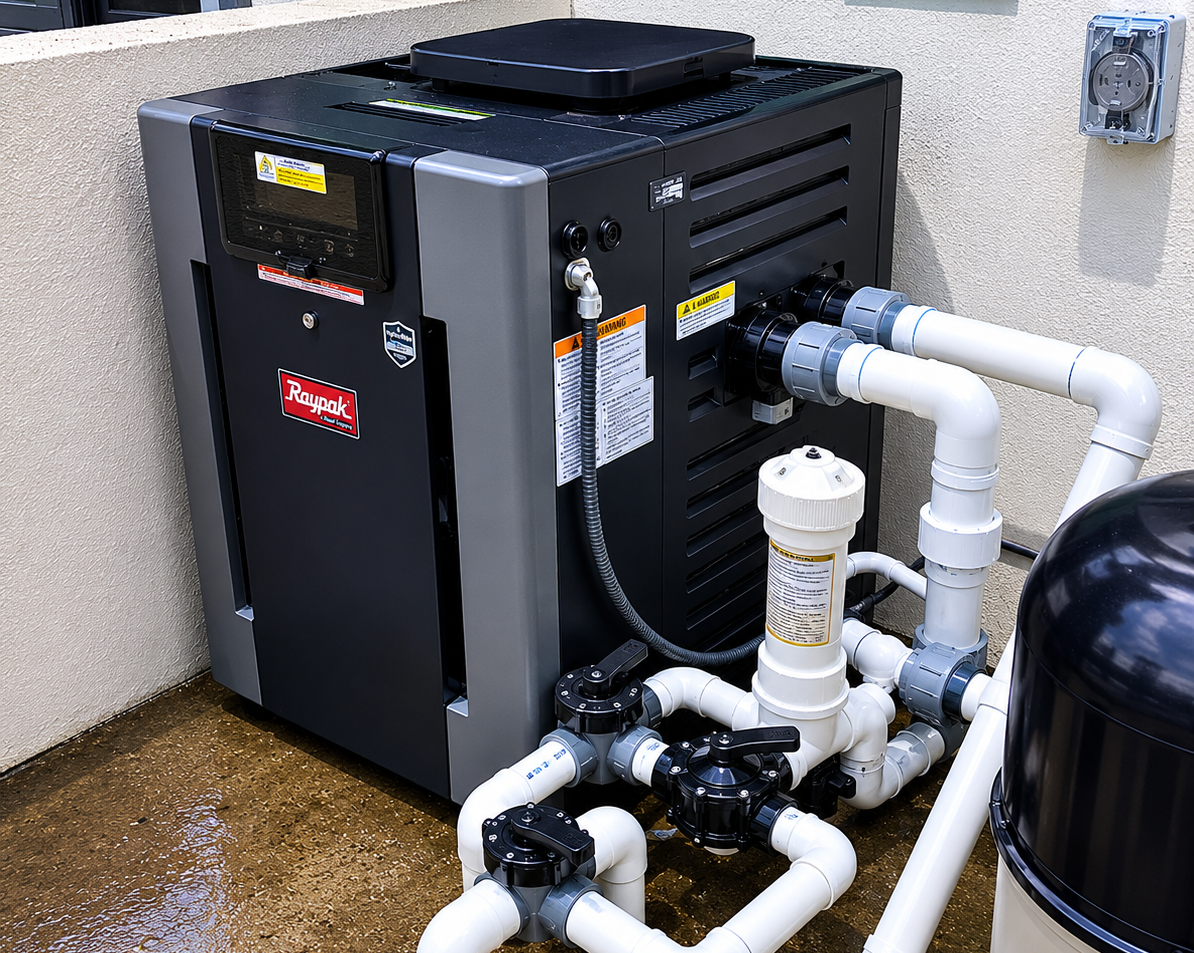
That repeated start-stop pattern can stress ignition parts, controls, and the heat exchanger. It can also hide a bigger pool heater cycling problem, especially when the blower runs but the flame keeps dropping out. If the water never reaches temperature, start with a real diagnostic instead of assuming the heater is simply old. PoolBurg’s guide on pool heater not heating is a helpful related read.
Common Signs Your Pool Heater Is Short Cycling
A pool heater short cycling problem can show up in a few very homeowner-obvious ways:
- The heater runs for 30 seconds, one minute, or a few minutes, then shuts off.
- The display flashes an error code or lockout message.
- You hear clicking, ignition attempts, or the blower running without steady heat.
- The pool heater shuts off quickly even though the water is below the set temperature.
- The heater works sometimes, then acts up again after the system has been running.
Common Causes of Pool Heater Short Cycling
The tricky part is that pool heater troubleshooting is rarely one-cause-fits-all. A gas heater, heat pump, Pentair MasterTemp, Hayward unit, or older system can all behave a little differently. Manufacturer resources like Pentair product support and Hayward product manuals can help confirm model-specific codes, but the common causes usually fall into the same buckets.
| Possible Cause | What It Can Do | Common Clue |
| Low water flow | Triggers pressure or high-limit protection | Weak returns, dirty filter, low water level |
| Dirty filter | Restricts water through the heater | Pressure rises above clean baseline |
| Sensor or switch fault | Gives the control board bad information | Intermittent shutdowns or error codes |
| Gas or ignition issue | Flame lights, drops out, then retries | Clicking, flame failure, gas smell, soot |
Pressure switches, flame sensors, high-limit switches, thermostat sensors, gas valves, wiring, and control boards can all be part of the answer. That is why PoolBurg often checks the basics first, then works inward instead of guessing. For brand-specific help, see our Pentair MasterTemp repair and Hayward pool heater repair pages.
Why Flow Problems Can Make a Heater Cycle
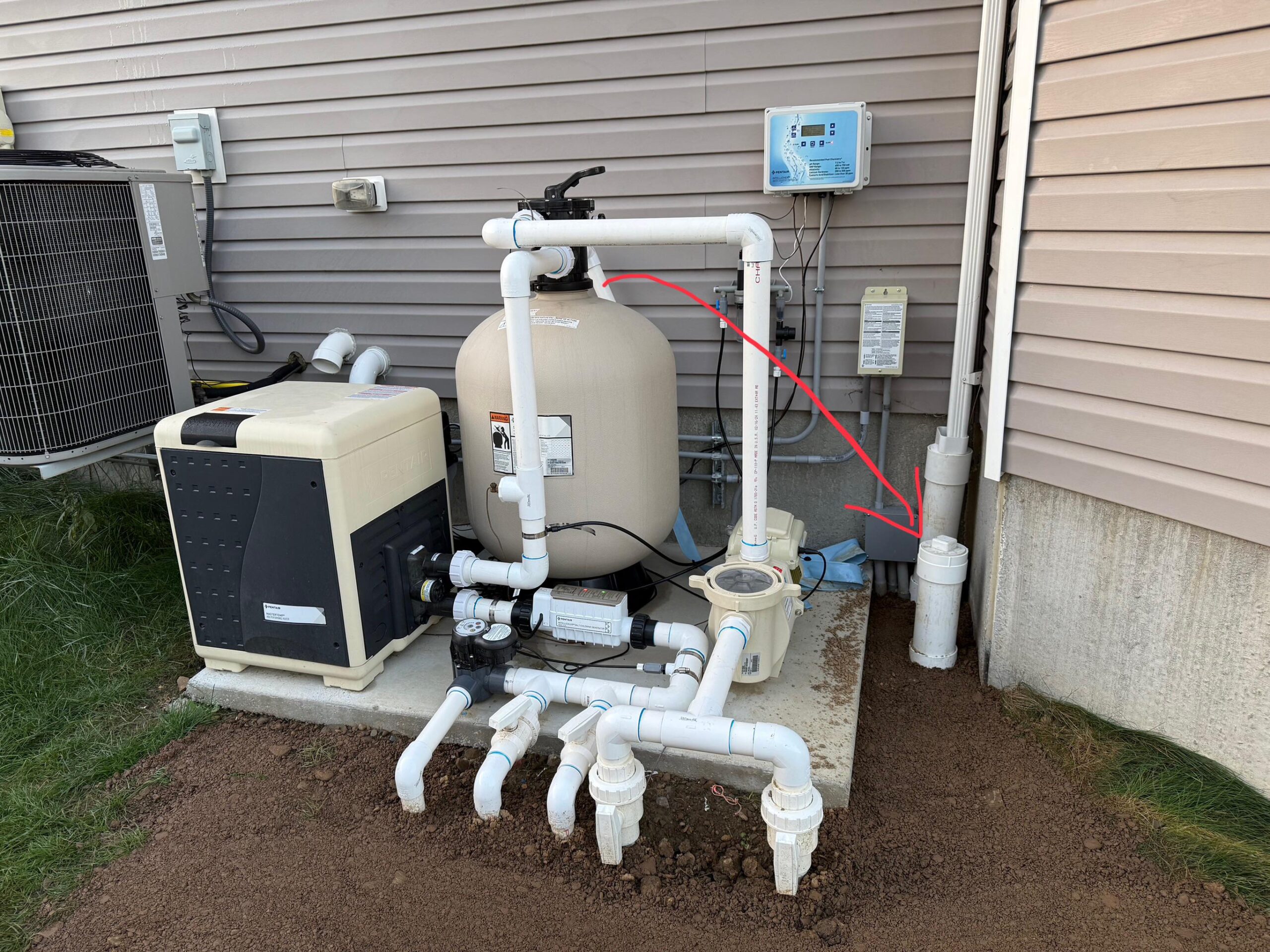
Low flow is one of the most common reasons a pool heater turns on and off. Pool heaters need steady water movement to carry heat away from the exchanger. If flow drops, the heater may protect itself by shutting the burner down before temperatures climb too high inside the unit.
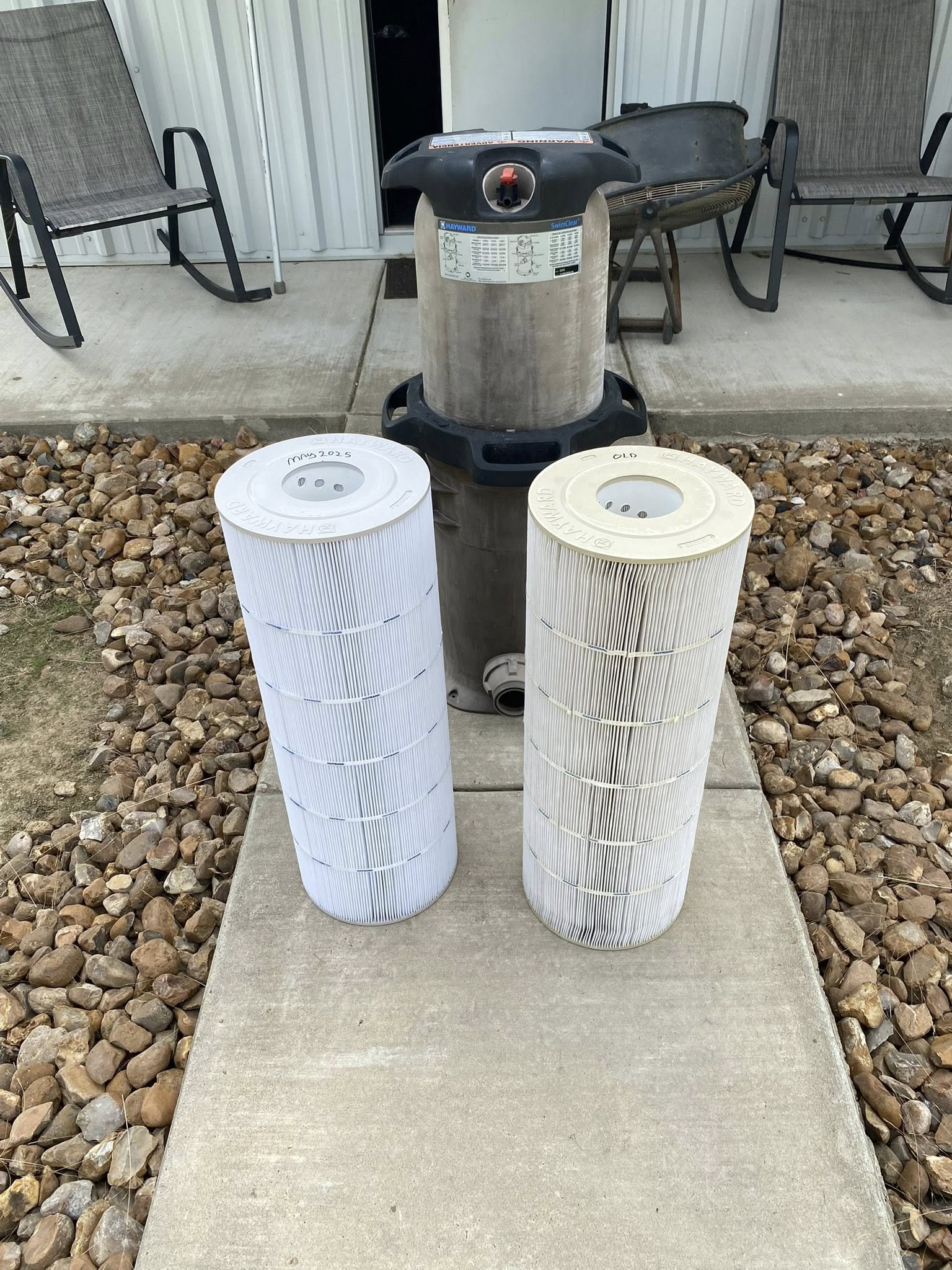
Common flow problems include a dirty cartridge, clogged pump basket, closed or mispositioned valve, weak pump, low water level, air in the system, or plumbing restriction. If your filter pressure has changed, compare it with PoolBurg’s guide to a normal pool filter pressure gauge reading. If the returns feel weak, our pool pump pressure problems article may also help.
Water balance matters too. Scale from high calcium, high pH, or salt-system drift can make heater parts run hotter than they should. The CDC explains pool water treatment in terms of keeping swimming water safer, but good chemistry also helps protect expensive equipment from buildup and corrosion.
When Short Cycling Becomes a Safety Issue
A pool heater short cycling issue should be treated more seriously if you notice gas odor, soot, repeated ignition attempts, breaker trips, melted wiring, overheating around the heater body, or a loud rumble when the burner lights. Do not bypass switches, remove safety parts, or keep forcing resets. Gas appliances are not the place for “let’s see what happens” repairs.
If you smell gas, step away from the equipment area and treat it as urgent. The CPSC carbon monoxide safety page is also worth reviewing for any home with fuel-burning equipment. For heat pump systems instead of gas heaters, PoolBurg’s pool heat pump troubleshooting guide covers a different set of causes.
People Also Ask
Why does my pool heater keep turning on and off?
Usually because a safety control is interrupting the heater. Low flow, a dirty filter, pressure switch issues, flame-sensing trouble, high-limit trips, gas pressure problems, or a bad sensor can all cause pool heater short cycling.
Can low flow cause a pool heater to shut off?
Yes. Low flow can make the heater overheat internally, so the pressure switch or high-limit control may shut the burner down to protect the unit.
Why does my heater run for a few minutes then stop?
That pattern often points to restricted flow, ignition failure, sensor trouble, or the heater detecting unsafe operating conditions before the water reaches temperature.
Is pool heater short cycling dangerous?
It can be. The cycling itself may be a warning sign. Gas smell, soot, repeated ignition attempts, or overheating should be handled by a qualified pool heater technician.
Can a dirty filter cause heater problems?
Absolutely. A dirty filter can reduce water flow enough to trigger heater shutdowns, weak heating, pressure-switch errors, or high-limit trips.
Should I keep resetting my pool heater?
No. One reset after a simple issue is one thing. Repeated resets without finding the cause can stress the heater and may ignore a safety problem.
PoolBurg Can Find Why Your Heater Keeps Shutting Down
When pool heater short cycling keeps ruining your swim plans, the best move is a proper diagnostic. PoolBurg can test water flow, filter pressure, valves, sensors, ignition, flame signal, safety controls, and heater operation so you are not replacing random parts and hoping for the best.
If your heater keeps clicking, shutting off quickly, or refusing to hold steady heat in Frisco, Plano, McKinney, Allen, Southlake, Grapevine, Keller, Prosper, or nearby DFW areas, contact PoolBurg and let us help you get warm water back without the guessing game.