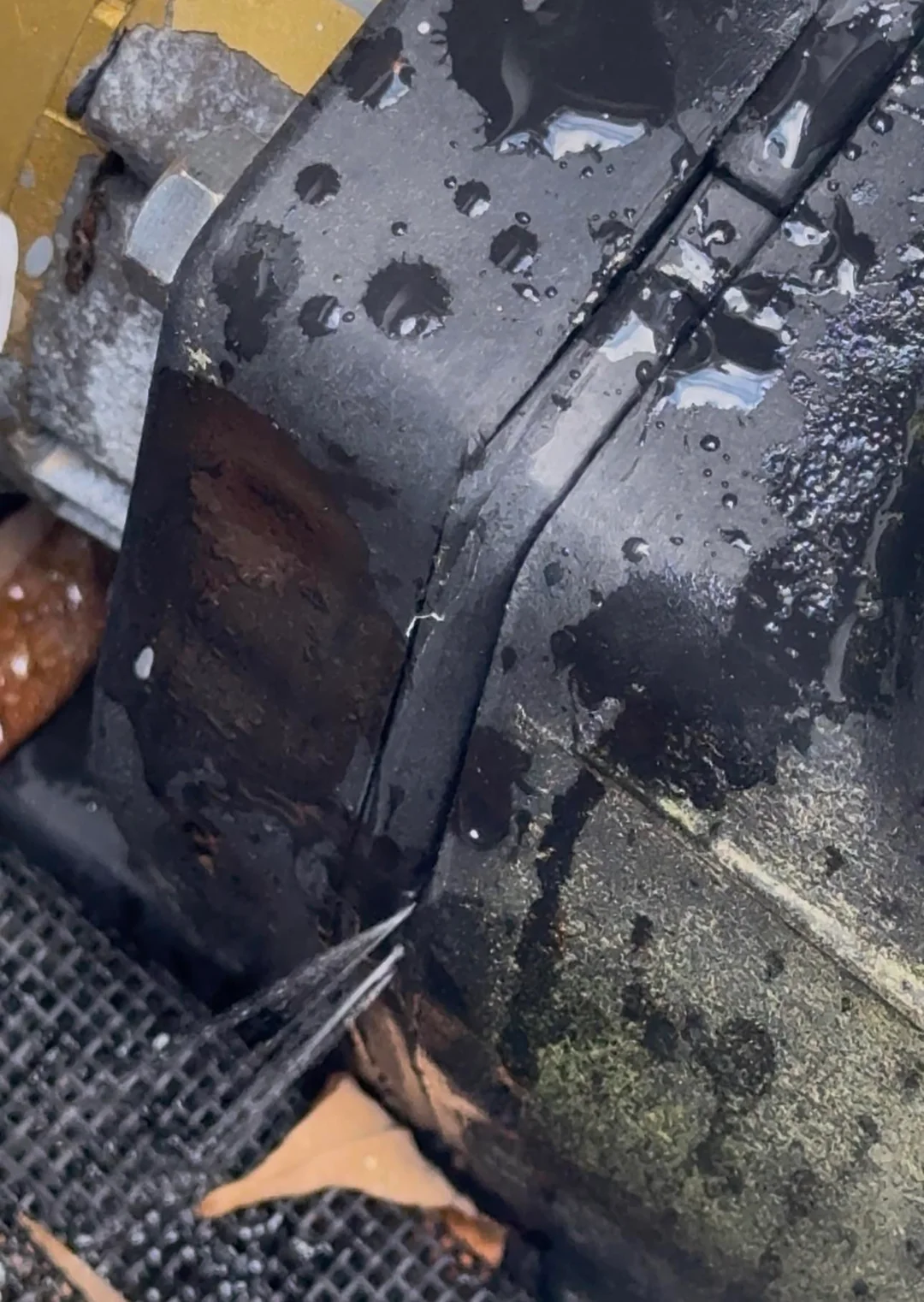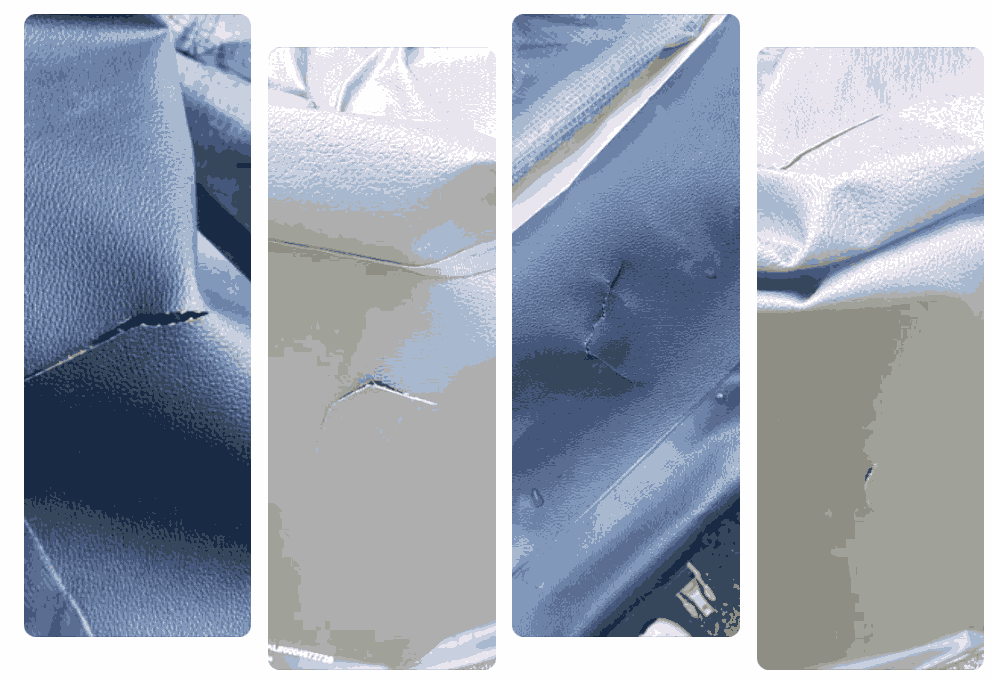
When pool expansion joint cracking appears, it typically signifies that the pliable mastic separating the deck from the coping has become brittle, detached, or overextended by structural shifting. Factors like UV exposure, intense Texas heat, precipitation, expansive soil behavior, and poor application techniques often combine to compromise the seal. While a minor rupture isn’t an immediate structural failure, ignoring the gap allows moisture and grit to penetrate where they don’t belong.
What the Pool Expansion Joint Does
The long gap between the pool coping and surrounding deck is intentional. It lets those structures move without pushing directly against each other. Flexible mastic seals the gap, limits water intrusion, and protects the coping, tile, and concrete edges.
DECK-O-SEAL joint sealant guidance describes a flexible product made for moving joints around swimming-pool decks. Filling the gap with rigid mortar or grout can transfer movement into the coping instead of absorbing it.
Signs the Expansion Joint Is Failing
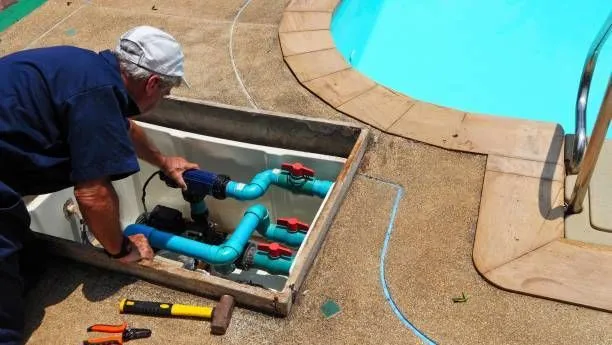
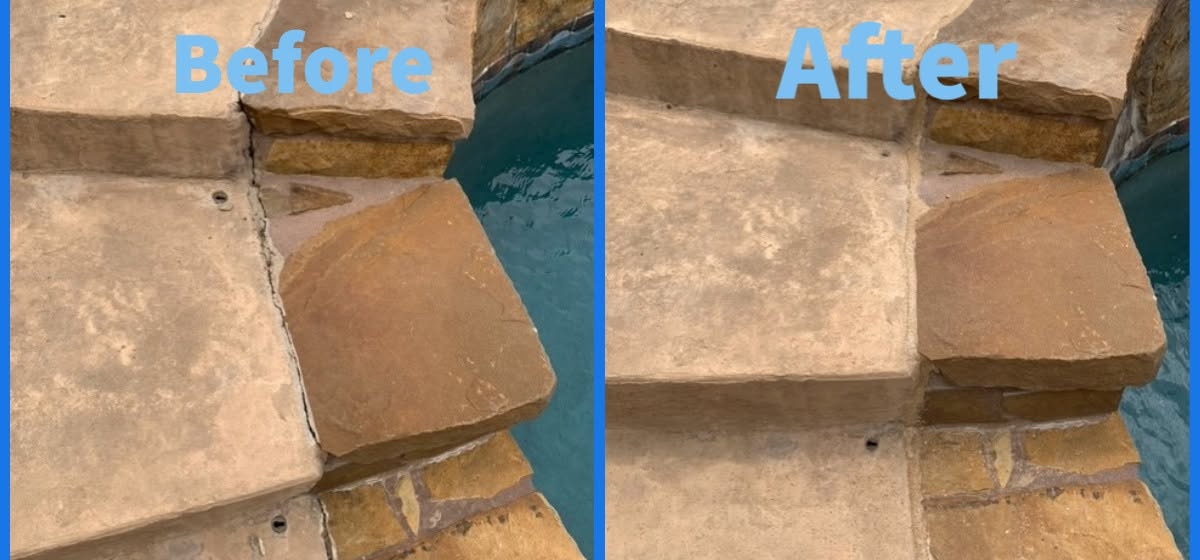
Look for cracked pool caulking, open edges, hardened or missing sealant, weeds, or water beside the coping. Pool mastic cracking may run through the material or pull away from one side. A lifting deck edge, changing joint width, or fresh cracks after a storm also deserves attention.
Loose stones may require pool coping repair. Open grout is a separate clue, so check for pool tile grout missing. If nearby hardware has shifted too, inspect pool cover anchors loose.
Why Pool Expansion Joint Cracking Happens
Age and UV exposure make sealant brittle. Hot decks expand, cool nights contract them, and occasional North Texas freezes add stress. Pool expansion joint cracking can also follow dirty or damp sidewalls, the wrong product, incorrect depth, missing backing material, or sealant bonded to the joint bottom.
Deck movement matters too. The USDA Natural Resources Conservation Service explanation of Vertisols says expanding clay shrinks when dry and swells when wet. Texas Department of Transportation guidance identifies expansive soils as a major source of pavement distress in Texas. Around Frisco, Plano, McKinney, Allen, Southlake, Keller, Grapevine, Prosper, and Carrollton, drought followed by heavy rain can strain the joint.
Why Cracked Pool Mastic Should Not Be Ignored
Once a gap opens, rain and splash-out can reach below the deck. Repeated wetting may contribute to erosion, settlement, weeds, and more movement. Coping can loosen, tile or grout trouble can spread, and deck-edge cracks may worsen.
The Concrete Network pool deck repair guide explains that joint sealant helps keep moisture out. If unexplained water loss is soaking the area, schedule pool leak detection. After a storm, follow a pool maintenance after rain check too.
Pool Expansion Joint Repair or Full Replacement
A short surface nick may be touch-up work when the surrounding sealant remains flexible and firmly attached and the products are compatible. Widespread cracking, edge separation, brittleness, or repeated failure usually calls for removing the old material and resealing the complete run.
Proper pool expansion joint repair needs clean, sound sidewalls and the correct profile. Sika’s sealant application guidance recommends backer rod in moving joints to prevent three-point bonding and control depth. W. R. MEADOWS backer-rod guidance explains how backing supports depth and sidewall adhesion. The pool-grade sealant must match the joint dimensions, slope, and manufacturer instructions; Sikaflex self-leveling sealant specifications show why product details matter.
If the deck is heaving, coping is loose, the joint width changes sharply, or new sealant keeps splitting, a pool deck joint repair or coping repair may be needed before resealing.
People Also Ask
Why is my pool expansion joint cracking?
The usual causes are aging sealant, UV and temperature exposure, deck or soil movement, water damage, poor preparation, or incorrect joint design.
What is pool mastic?
Pool mastic is flexible sealant installed between coping and the deck so the two areas can move while the joint stays closed.
Can cracked pool caulking cause damage?
An open joint can let water and debris reach the gap below, which may contribute to settlement, loose coping, or worsening deck-edge problems.
How often should pool mastic be replaced?
There is no universal calendar. Inspect seasonally and after severe weather, then replace mastic that is brittle, separated, missing, or no longer sealing.
Can water under the pool deck cause problems?
Yes. Repeated water movement can erode or soften support material and contribute to deck settling or shifting.
Should expansion joint repair be done with coping repair?
Yes when coping is loose, cracked, or moving. Sound coping may only need the failed joint repaired, but both areas should be inspected together.
PoolBurg Can Inspect the Joint Before Damage Spreads
Pool expansion joint cracking deserves a closer look before more Texas heat or heavy rain. PoolBurg can inspect the mastic, coping, deck edge, drainage, and movement, then explain whether a touch-up, full replacement, or related repair makes sense. Review PoolBurg’s Pool Mastic and Deck-O-Seal service or contact PoolBurg before water intrusion turns into a larger repair.